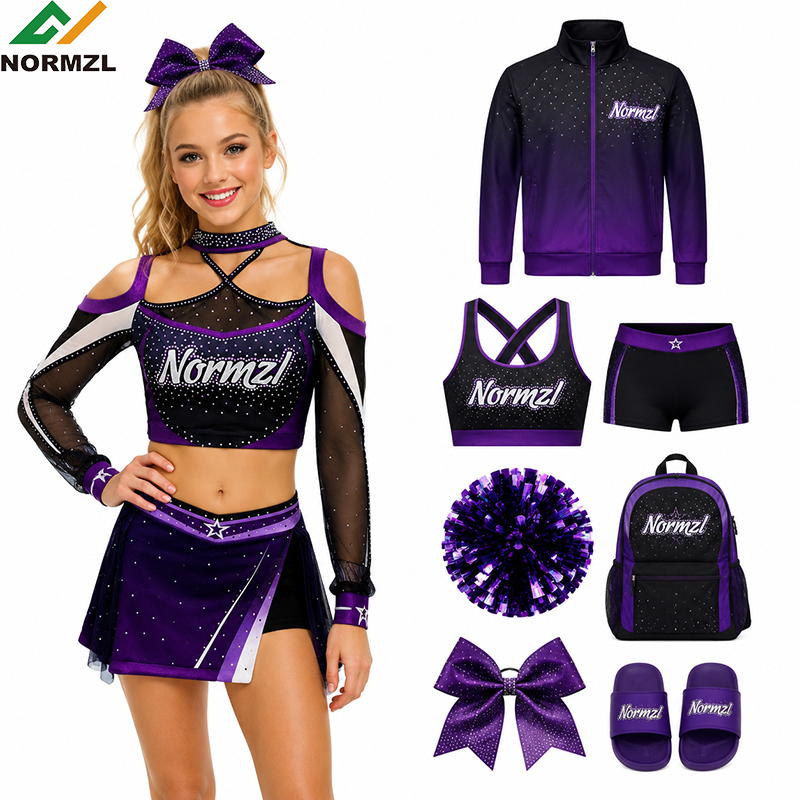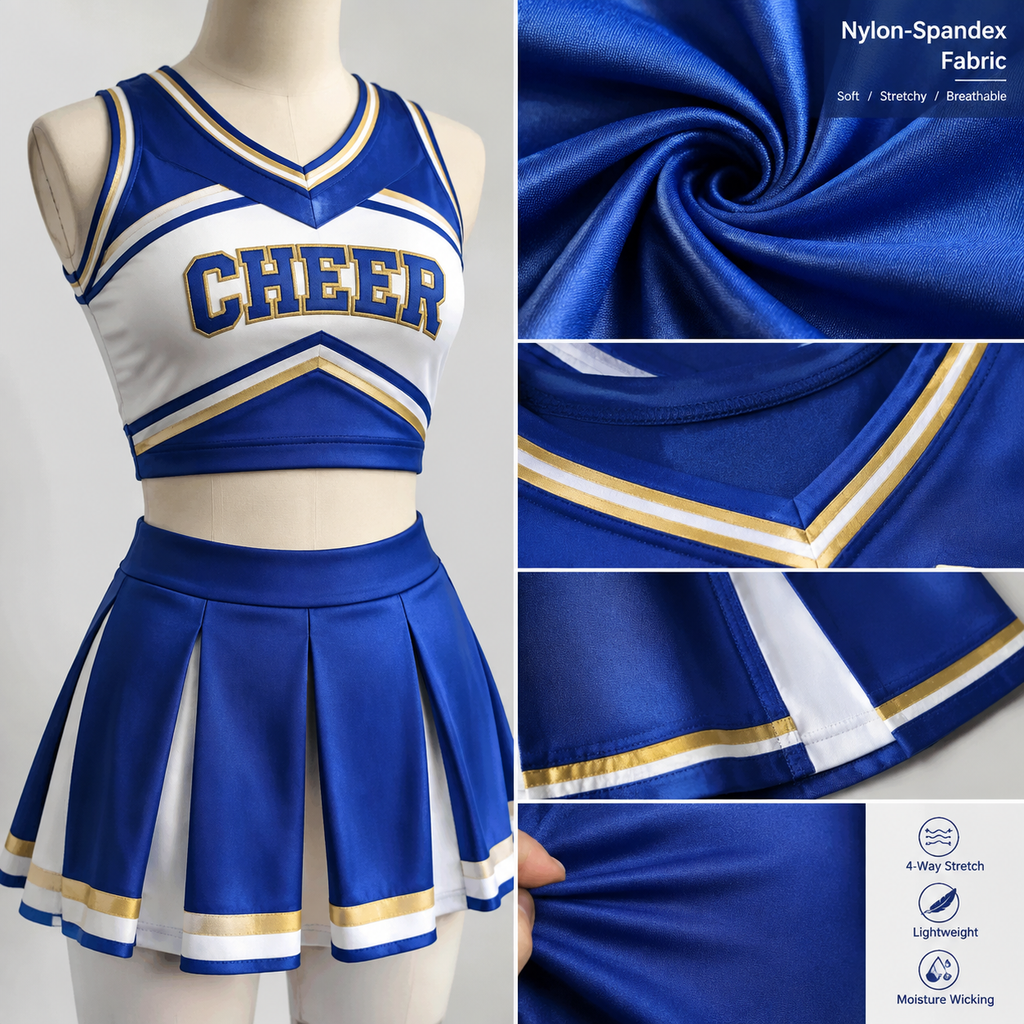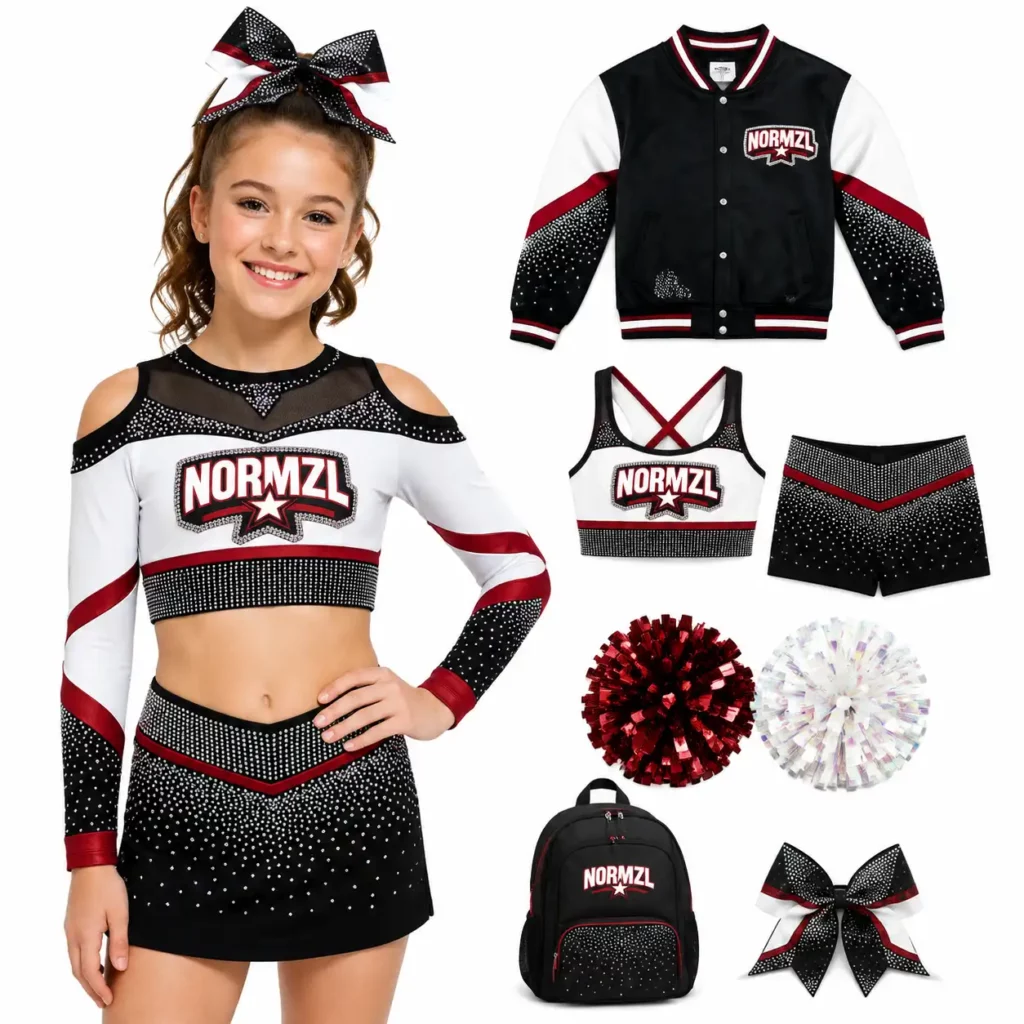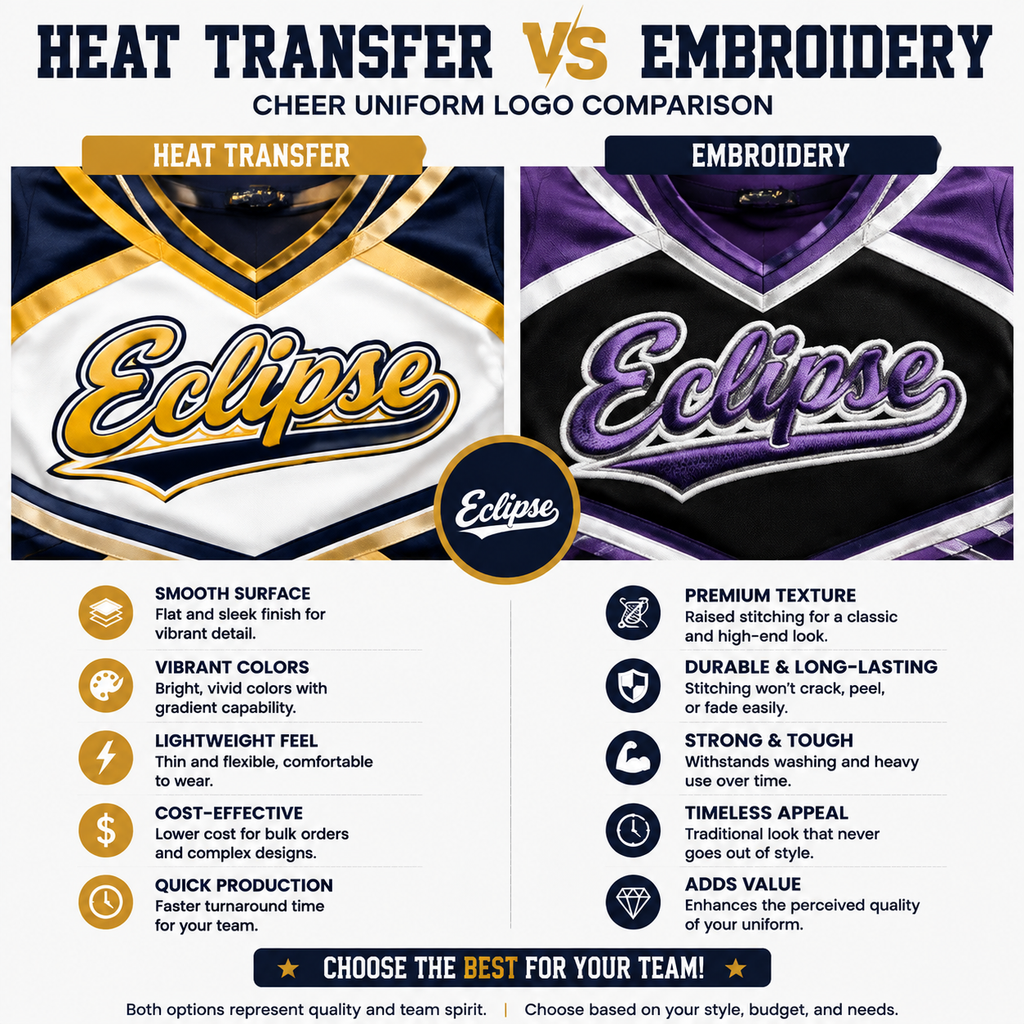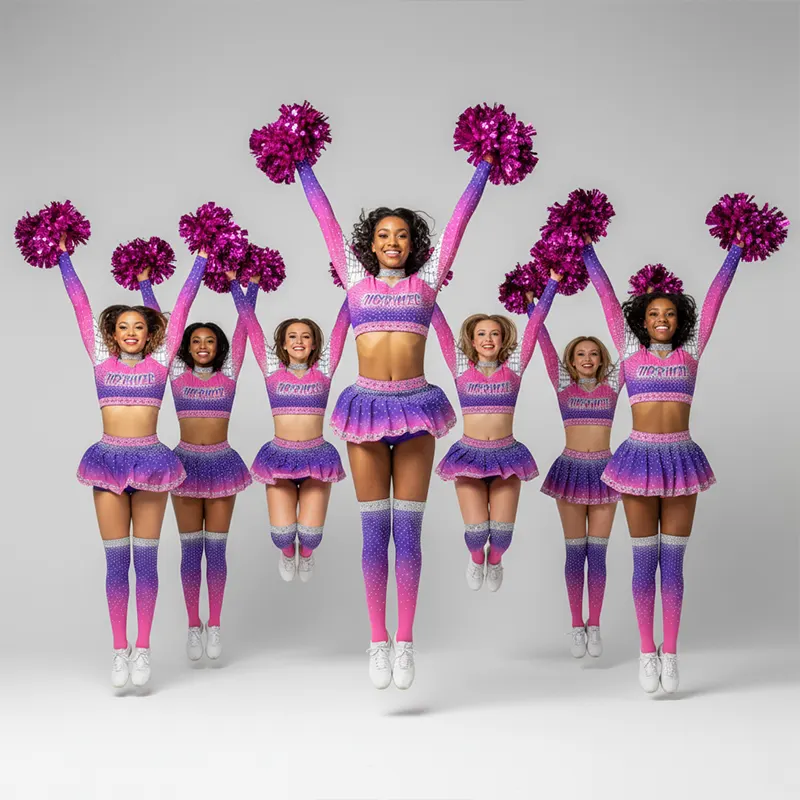
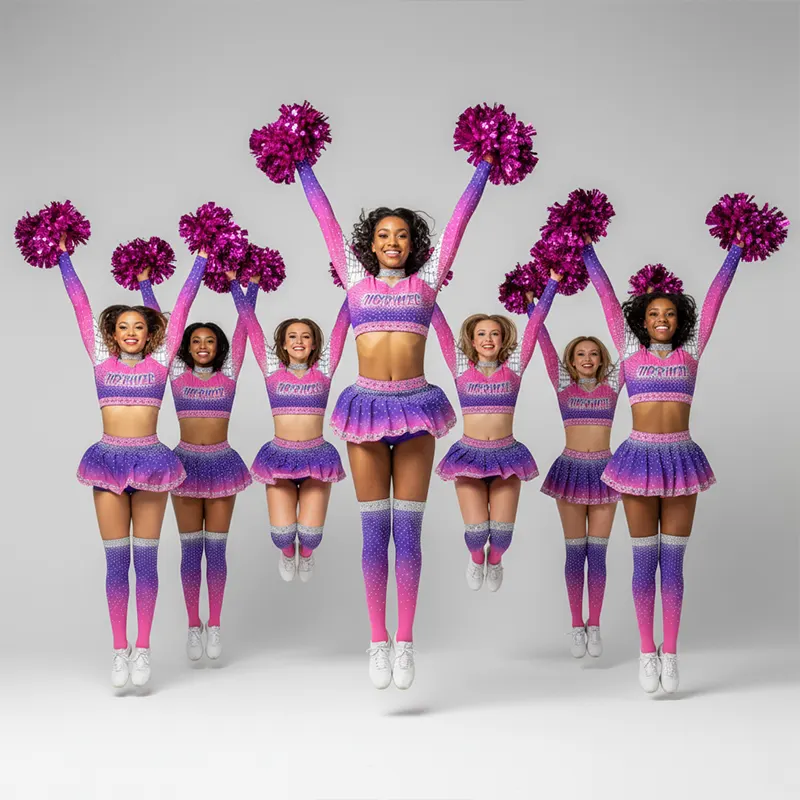






Cheerのユニフォーム生地は見た目に直接影響します, 快適, 耐久性, チアリーディングユニフォームのパフォーマンスと. オールスター大会にしろ, 学校チーム, または副業, 均一な用途に応じて、異なる生地の特徴が必要になります, ストレッチも含めて, 通気性, 圧縮, カスタマイズの互換性.
このガイドでは、一般的なチアリーディング生地の特徴について説明します。, ポリエステルを比較, ナイロン, スパンデックス, ライクラ, そしてメッシュ素材, チームやブランドがユニフォームの要件に最も適合する生地のオプションを決定するのに役立ちます.
チアユニフォームに最適な生地とは?
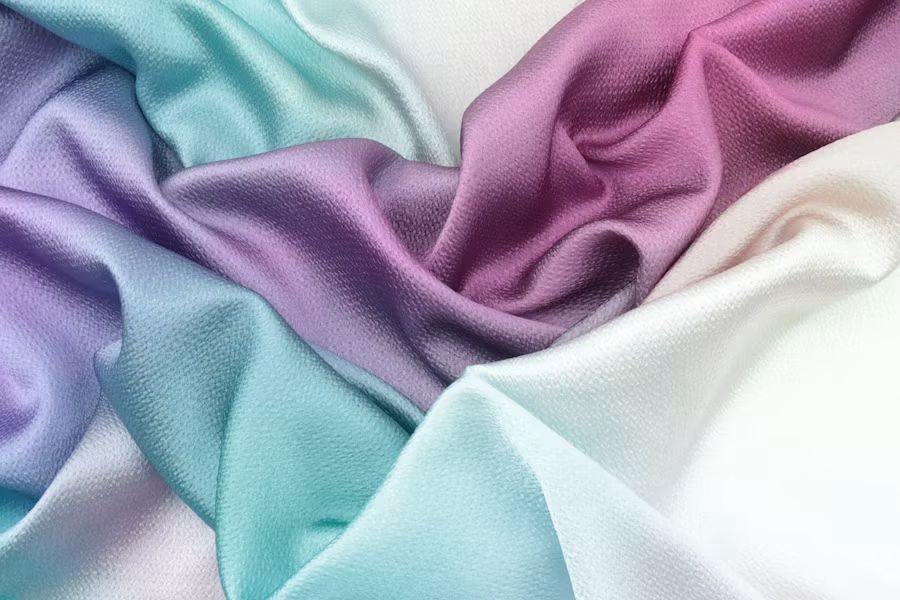
最高の 応援ユニフォーム生地 ストレッチのバランスを提供する必要があります, 耐久性, 快適, 外観, カスタマイズパフォーマンス. チームごとに必要なファブリック機能も異なります, しかし、高品質の素材は動きをサポートする必要があります, 形を維持する, 繰り返し使用してもユニフォームをプロフェッショナルな外観に保ちます.
4方向のストレッチ性と柔軟性
チアリーディングにはジャンプが含まれます, スタント, 転がる, そしてダイナミックな動き, ユニフォームに欠かせないストレッチ性能. 4方向に伸縮する生地により、快適なフィット感と形状回復を維持しながら、アスリートが自由に動くことができます。.
スパンデックスとライクラは通常、改良のためにポリエステルまたはナイロンとブレンドされます。:
- 衝撃の大きい動き時の柔軟性
- 身体へのフィット感と快適性
- ストレッチ後の形状保持力
耐久性と形状保持性
チアユニフォームは頻繁な動きにさらされています, 洗浄, と身体活動. 耐久性のある生地は、ユニフォームの構造と外観を長期間維持するのに役立ちます.
重要な耐久性機能には次のものがあります。:
- 耐摩耗性
- 形状回復
- 毛玉になりにくい
- 長期間持続する発色性能
ポリエステルは耐久性に優れ、長期間の使用に耐えられるため、チアユニフォームなどに多く使われています。, ナイロン混紡により、よりソフトな感触と優れた耐摩耗性を実現.
吸湿性と通気性
快適さは競技やトレーニングセッション中に特に重要です. 吸湿発散性生地が汗を肌から逃がします。, 通気性のある素材が空気の流れを改善し、熱の蓄積を軽減します。.
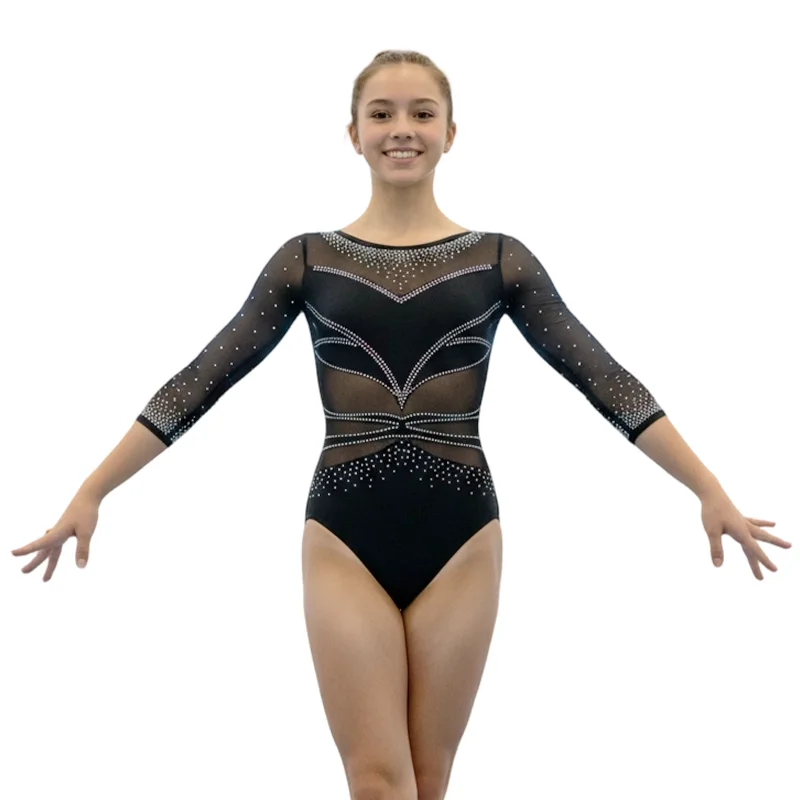
メッシュパネルは背中などの領域に追加されることがよくあります, 袖, 全体のデザインを維持しながら通気性を向上させるために脇の下に配置することもできます。.
色の保持とカスタマイズの互換性
チアのユニフォームにはチームカラーが含まれることが多い, ロゴ, 昇華プリント, ラインストーン, およびその他の装飾要素. したがって, ファブリックは、ビジュアル品質とカスタマイズ要件の両方をサポートする必要があります.
ポリエステル生地は、鮮やかな色と優れた印刷耐久性を提供するため、昇華によく使用されます。. 滑らかで安定した生地表面は、高品質な装飾仕上げにも役立ちます。.
チアユニフォームに使用される一般的な生地の種類
単一の生地ですべてのチアチームのニーズを満たすことはできません. パフォーマンスレベル, ユニフォームのデザイン, カスタマイズ方法, どの素材が特定の用途に最適であるかは、使用頻度にすべて影響します。. 一般的なオプションにはポリエステルが含まれます, ナイロン, スパンデックス, ライクラ, メッシュ, そして綿.
ポリエステルチアユニフォーム生地
信頼性の高い耐久性を必要とするチーム, 鮮やかな色, 柔軟なカスタマイズでは、ポリエステルベースの生地が選択されることがよくあります. ポリエステルは頻繁な使用でも安定したパフォーマンスを提供し、特に昇華印刷に適しています。.
主な利点は次のとおりです。:
- 色の保持: 繰り返し洗濯してもチームカラーとグラフィックを鮮やかに保ちます。.
- 耐久性: 生地構造を維持しながら通常の着用に対応します。.
- 昇華互換性: 細かいパターンにも対応, グラデーション, およびカスタムデザイン.
- メンテナンスが容易: しわや縮みに強い.
ポリエステル製チアユニフォーム 競技チームに広く使用されています, 学校の分隊, カスタムユニフォームプログラム. より高い柔軟性を実現するために, ポリエステルは、伸縮性と快適性を向上させるためにスパンデックスとブレンドされることがよくあります.
ナイロンチアユニフォーム生地
より柔らかな感触と優れた柔軟性を求めるチームは、パフォーマンス重視のユニフォームにナイロンブレンドを検討することがよくあります。. ナイロンは滑らかな質感と強い回復力を提供します。, 自由な動きを必要とするアスリートに適しています。.
主な利点は次のとおりです。:
- 柔らかい手触り: より快適な着用体験を提供します.
- 高い弾性: ダイナミックな動きやアクティブなルーチンをサポート.
- 耐摩耗性: ユニフォームが頻繁な使用に耐えられるようにする.
- 形状回復: ストレッチ後もフィット感を維持.
ナイロンとスパンデックスのブレンドは、高性能チアウェアによく使用されます, 特に快適さと動きのサポートが主要な優先事項である場合.
スパンデックス / ライクラチアユニフォーム生地
高度な動き向けにデザインされたユニフォームは、多くの場合、ぴったりとしたフィット感と最大限の柔軟性を実現するためにスパンデックスまたはライクラ混紡に依存しています。. これらの伸縮性繊維は通常、弾力性と耐久性のバランスをとるためにポリエステルまたはナイロンと組み合わせられます。.
チアリーディング スパンデックス 生地が提供する:
- 4方向ストレッチ: ルーチン中に無制限の動きを可能にします.
- 強力な回復: ユニフォームを元の形状に戻すのに役立ちます.
- 体に沿ったフィット感: 安全で合理的な外観を作り出します.
- パフォーマンス中の快適さ: ジャンプやスタント時の制限を軽減します。.
スパンデックスチアユニフォーム 一般的に、パフォーマンスのサポートと視覚的な魅力の両方を必要とする競技レベルのチームに選ばれます。.
応援ユニフォーム用メッシュ生地
暖かい環境や激しい活動で使用されるユニフォームには追加の換気が必要になることがよくあります. メッシュパネルは、ユニフォームの全体的な構造や外観を変えることなく、空気の流れを改善する効果的な方法を提供します。.
一般的なアプリケーションには次のものがあります。:
- バックパネル: 激しいアクティビティ中の空気の流れを改善します。.
- 袖: デザインの細部を強化しながら通気性を追加.
- サイドセクション: フィット感に影響を与えずに通気性を確保.
- 脇の下の部分: 運動中の熱の蓄積を軽減します.
メッシュチアユニフォーム メッシュデザイン要素は特に温暖な気候に適しています。, チア練習着, より優れた通気性を必要とするパフォーマンススタイルにも対応.
パフォーマンス生地でカスタム応援ユニフォームを作成
応援チームに適した生地の選び方
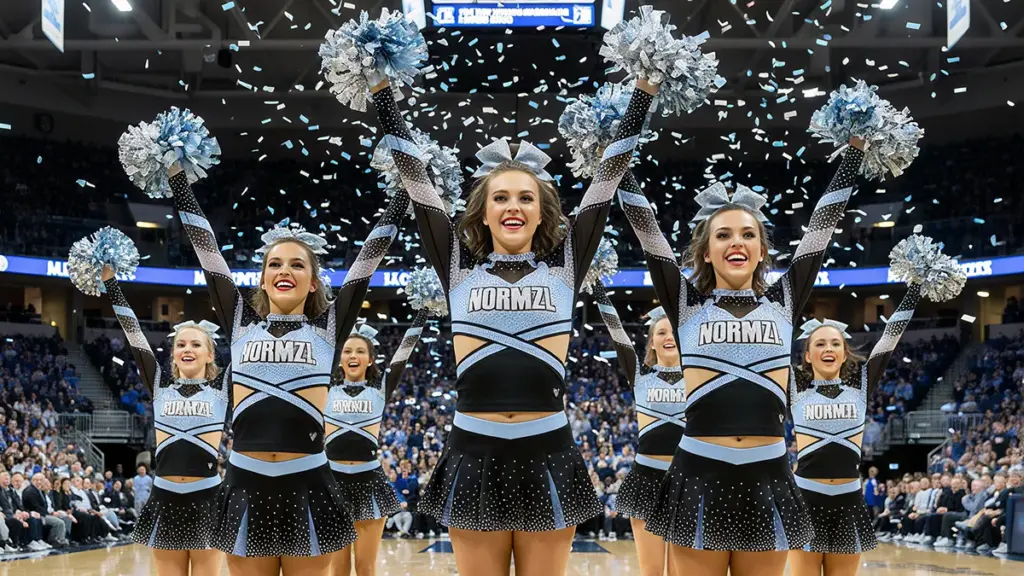
チアユニフォーム生地 チームのアクティビティレベルと一致する必要があります, 設計目標, パフォーマンスのニーズ. 用途が異なれば、必要な材料特性も異なります.
さまざまな応援ユニフォームの用途に基づいて生地を選択してください
応援活動が異なれば、生地のパフォーマンスに対する要求も異なります。. 競技用ユニフォームには最大限の柔軟性と視覚的なインパクトが必要です, 一方、練習着や学生服には頻繁に使用するための耐久性と快適さが求められます。.
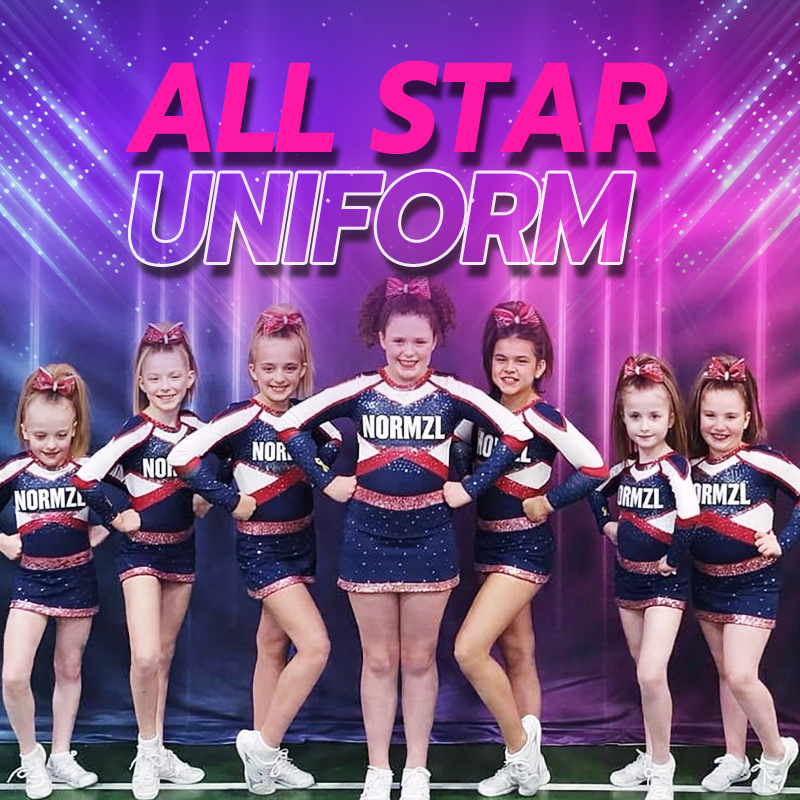
オールスター応援ユニフォーム
高度なスタントを披露するアスリートたち, 転がる, ジャンプには、信頼できるサポートと動きの自由を提供するユニフォームが必要です. オールスター応援ユニフォーム 通常、激しい伸縮性回復力としっかりとしたフィット感を備えた高機能生地を使用し、アスリートが激しい運動中に自信を持って動けるようにします。.
おすすめの生地:
- ポリエステルとスパンデックスのブレンド
- ナイロンとスパンデックスのブレンド
これらの生地は、昇華プリントなどのカスタムディテールをサポートしながら、複雑な動きに柔軟に対応します。, ラインストーン, 詳細なチームグラフィックス.
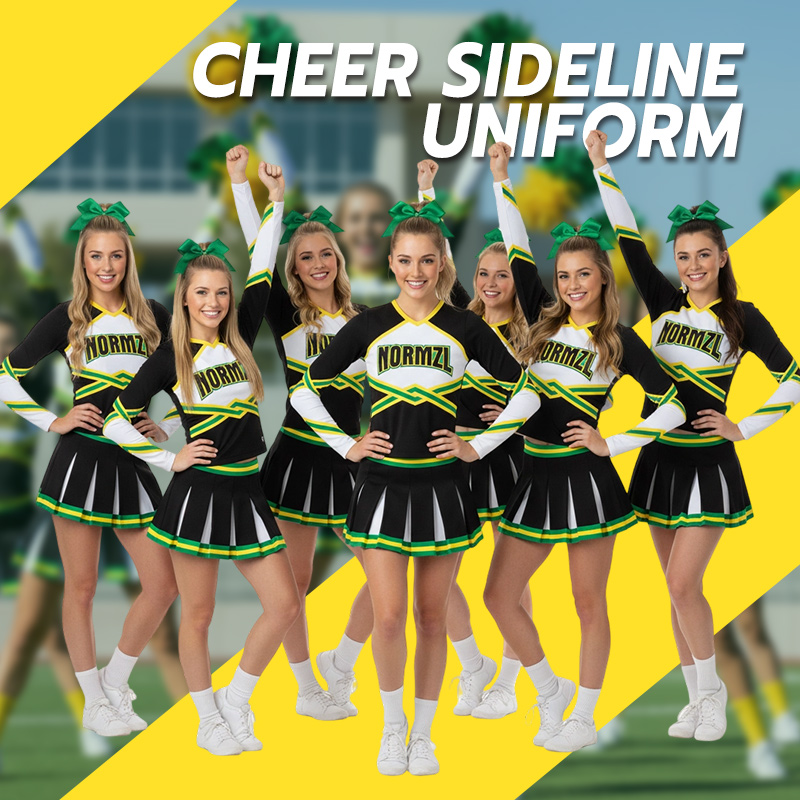
サイドラインチアユニフォーム
通常のゲーム, 学校行事, 公演では、頻繁に使用しても外観を維持できるユニフォームが必要です. サイドライン応援ユニフォーム 耐久性を重視することが多い, 簡単なメンテナンス, 日常の活動に十分な快適さを提供しながらも、構造的な外観を実現.
おすすめの生地:
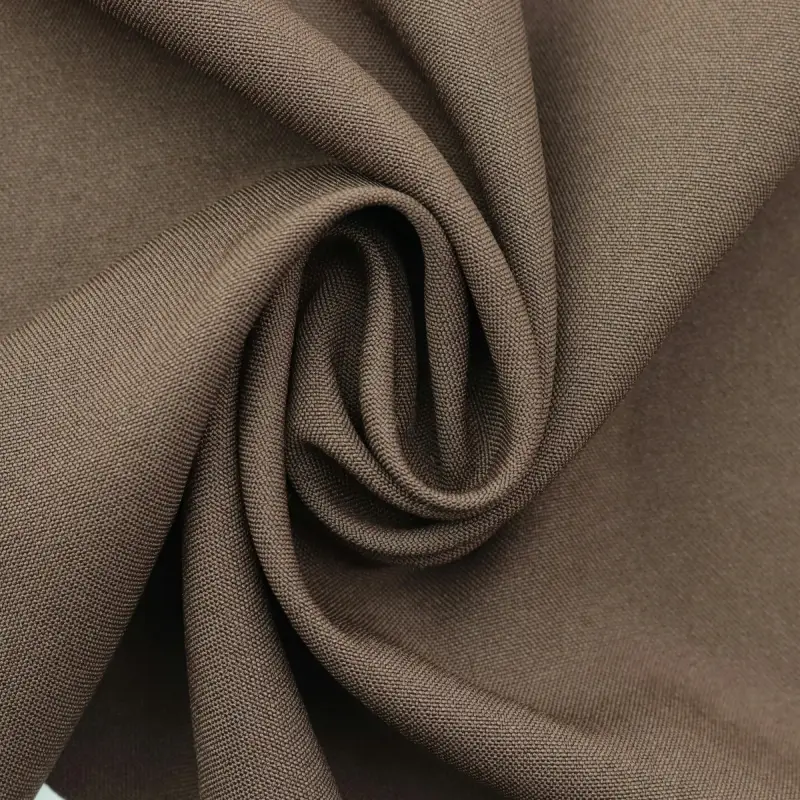
- 構造化ポリエステル
- ポリエステルとスパンデックスのブレンド
これらの素材はクラシックなチアスタイルを提供します, 信頼できる耐久性, 学校やイベントベースのチーム向けの長期着用パフォーマンス.
競技会およびショーケースの応援ユニフォーム
ステージでパフォーマンスを行うチームには、運動機能と強い視覚的インパクトを兼ね備えたユニフォームが必要です. 大会応援ユニフォーム ショーケースのスタイルでは、カスタマイズのための滑らかな表面を提供しながら、ダイナミックな動きをサポートする生地が必要になることがよくあります。, 昇華を含む, メタリック効果, と装飾的な要素.
おすすめの生地:
- ポリエステルとスパンデックスのブレンド
- ナイロンとスパンデックスのブレンド
これらの生地は、柔軟性を維持しながら目を引くデザインを作成するのに役立ちます, 快適, 競技用照明の下での洗練された外観.
学校, ユース・練習用応援ユニフォーム
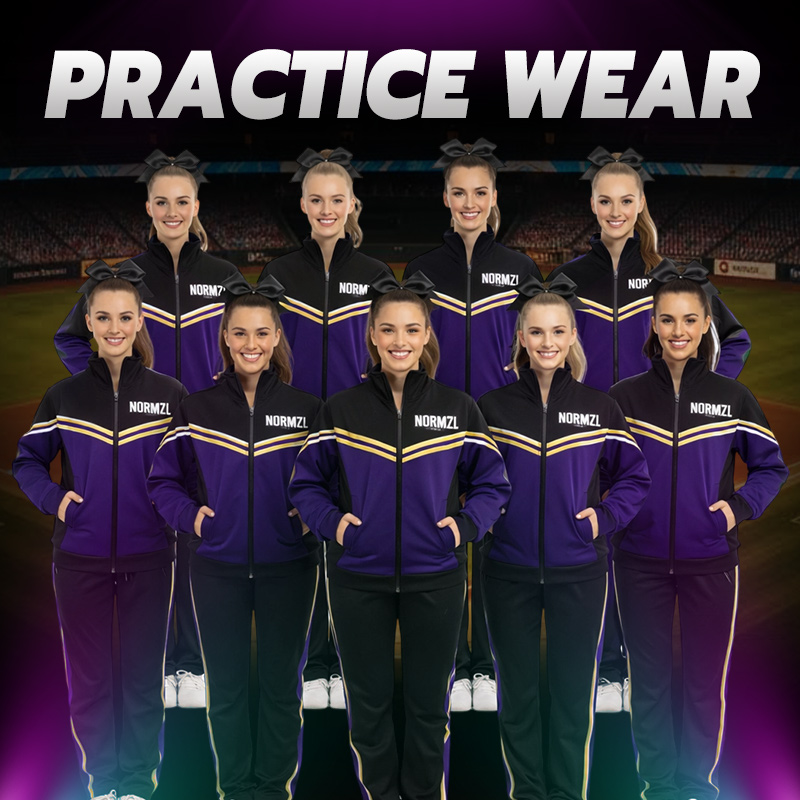
頻繁なトレーニングや定期的なアクティビティには、快適さのバランスが取れた生地が必要です, 耐久性, とコスト効率. 青少年応援ユニフォーム, 学校チームの服装, そして チア練習着 繰り返しの動きに対応できる素材が必要, 洗浄, そして毎日の使用.
おすすめの生地:
- ポリエステルとスパンデックスのブレンド
- 軽量ストレッチ素材
これらの素材は、トレーニングセッションに快適な動きと信頼性の高いパフォーマンスを提供します。, 学校の活動, 青少年応援プログラム.
ファブリックのパフォーマンスを比較する: 通気性, ストレッチとコンプレッション
チアチームごとに、優先する生地のパフォーマンス機能が異なります。. 競技チームはストレッチとサポートにもっと重点を置くかもしれない, 一方、練習用ユニフォームや暖かい天候用のユニフォームには、より優れた通気性と快適性が求められることがよくあります。.
| ファブリック | 主なパフォーマンス | 強み | 共通アプリケーション |
|---|---|---|---|
| ポリエステル | バランスの取れた耐久性とカスタマイズ性 | 良好な色持ち, 信頼できる構造, 優れた昇華互換性 | 競技用ユニフォーム, サイドラインのユニフォーム, およびカスタムデザイン |
| ナイロン | ストレッチとサポート | ソフトな感触, 高い柔軟性, ダイナミックな動きに対応する強力な回復力 | オールスターチアユニフォームとパフォーマンス重視のチアウェア |
| スパンデックス / ライクラ | 最大限の伸縮性と圧縮性 | ぴったりフィット, 無制限の動き, そして形状保持力 | スタント重視のユニフォームとストレッチパフォーマンスデザイン |
| メッシュ | 通気性と通気性 | 空気の流れを改善し、激しいアクティビティ中の熱管理に役立ちます。 | 換気パネル, 練習着, 暖かい季節にぴったりのデザイン |
高性能のルーチンでは、多くの場合、強力な伸縮性とサポート力を備えた生地が必要です, 一方、練習着や暖かい天候用のユニフォームは通気性のある素材とメッシュパネルの恩恵を受けています。. 多くのカスタムチアユニフォームは柔軟性のバランスをとるために異なる生地を組み合わせています, 耐久性, 換気, そしてデザイン.
についてさらに詳しく知ることができます カスタム応援ユニフォームをデザインする方法 私たちの専用記事で.
競争環境と気候への配慮
競技環境は生地のパフォーマンスと快適さに影響を与える可能性があります. 暖かく湿気の多い環境でパフォーマンスを行うチームは軽量を好む場合があります, 通気性のある素材またはメッシュパネル, 一方、涼しい環境では、カバー力を高めるためにより構造的な生地が必要になる場合があります。.
アウトドアチームは耐久性と色の保持性も考慮する必要があります, 定期的に日光にさらされたり、条件が変化したりすると、時間の経過とともに生地の外観に影響が出る可能性があるため、.
生地の品質のバランスをとる, パフォーマンスと予算
最適な生地の選択は、チームの実際の使用状況に一致する必要があります, パフォーマンスのニーズ, そして予算. 通常、高品質の素材はより優れた伸び回復性をもたらします。, より長い耐用年数, 繰り返し使用しても外観がより安定します.
パフォーマンスが不定期、または予算が限られているチーム向け, コスト効率の高いファブリックでも、適切な用途に適合させると信頼性の高い結果が得られます。.
経験豊富なスタッフと一緒に働く カスタム応援ユニフォームメーカー チームがパフォーマンスの期待と生産コストのバランスを取るファブリックを選択するのに役立ちます.
チアユニフォームのお手入れ方法と生地の寿命を延ばす方法
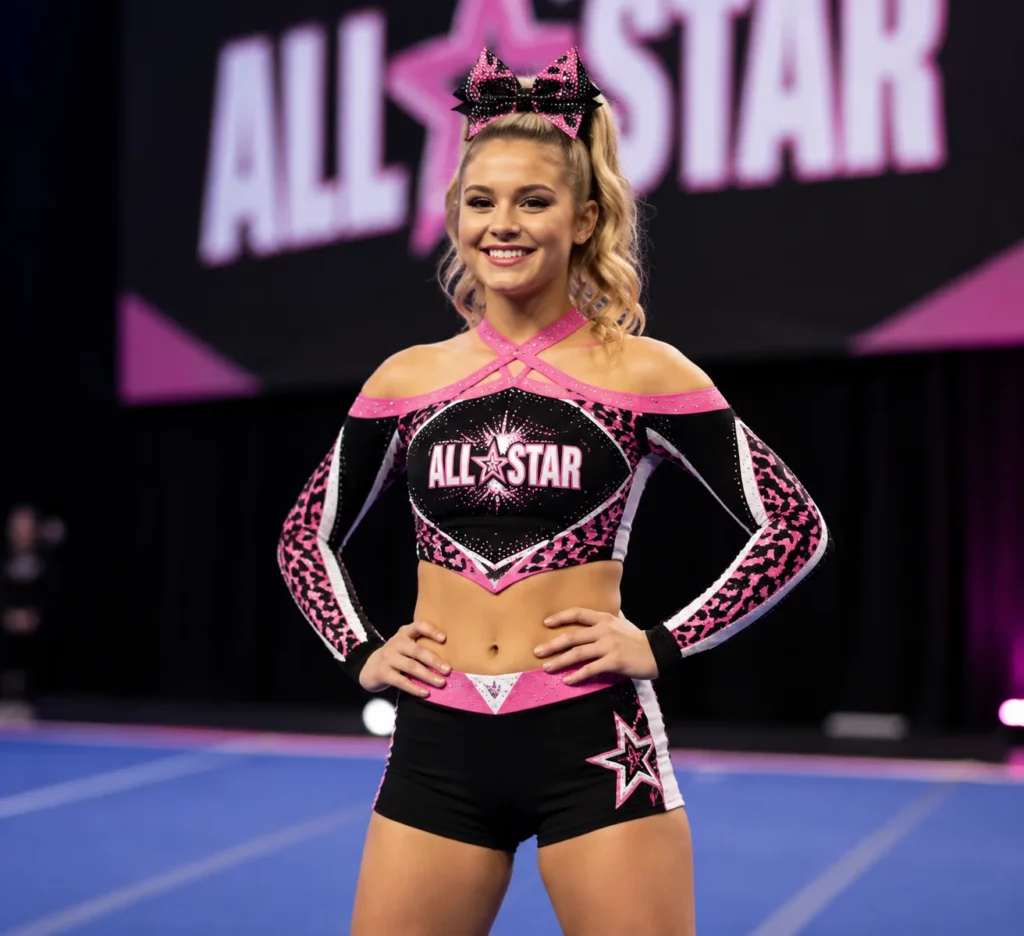
適切な生地はより優れたパフォーマンスと耐久性を提供します, しかし、チアユニフォームの耐用年数を延ばすには、適切なメンテナンスが不可欠です. オーダーメイドチアウェア制作の経験をもとに, 正しいケア方法はストレッチを保護するのに役立ちます, 色, 繰り返しの使用による全体的な外観.
チアユニフォームの生地を守るための洗濯のヒント
チアユニフォームは着用頻度に応じてクリーニングする必要があります. 週に数回使用する練習用ユニフォームは、使用ごとに洗濯が必要になる場合があります, 一方、競技用のユニフォームは汗を取り除き、生地の品質を維持するために演技後にクリーニングする必要があります。.
推奨されるケア手順:
- 冷水を使用する: 伸縮性繊維の保護と色の安定性に役立ちます。.
- 中性洗剤を選ぶ: 機能材料への損傷を防ぎます.
- 裏返して洗う: プリントを保護します, ラインストーン, そして装飾的なディテール.
- 漂白剤や刺激の強い化学物質を避けてください: 時間の経過とともに生地の摩耗を軽減します.
さらに詳しい説明については、 チアユニフォームの洗い方, 別の記事で説明しました.
生地の性能を維持するための乾燥と保管のヒント
熱や不適切な保管は弾力性に影響を与える可能性があります, 形, そして装飾的なディテール. 均一な品質を維持するために:
- 可能であれば自然乾燥させてください: 弾性繊維を熱ダメージから守ります.
- 高温の乾燥機は避ける: フィット感の維持とストレッチの回復をサポートします.
- 乾燥した場所に保管してください: 湿気関連の問題を防ぎます.
- 装飾された領域を保護する: ラインストーンやカスタム要素へのダメージを軽減します。.
適切なメンテナンスにより、カスタム応援ユニフォームは定期的なトレーニングを通じて外観とパフォーマンスを維持できます。, 競技会, そしてイベント.
Normzl がカスタム応援ユニフォーム用のパフォーマンス生地をどのように選択するか
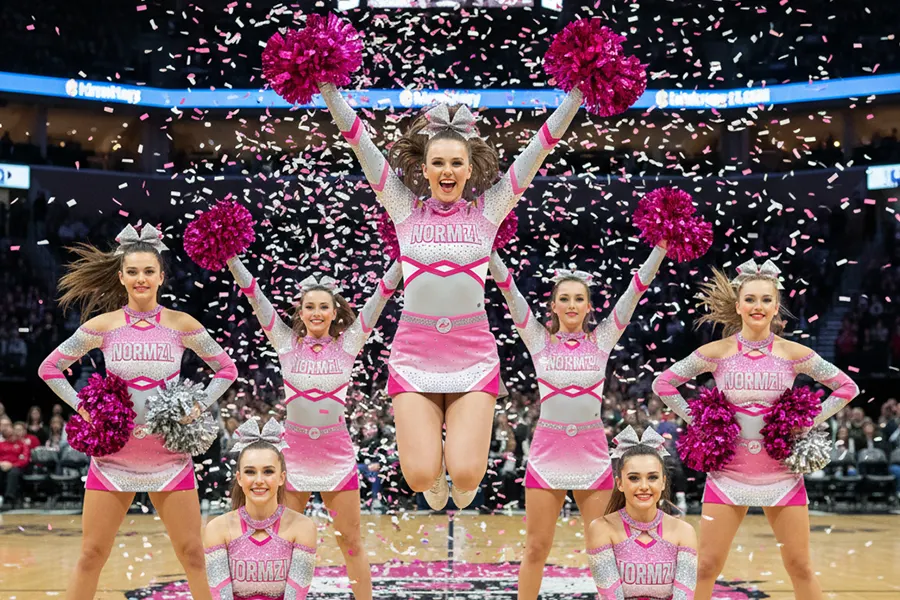
高品質なチアユニフォームは厳選されたパフォーマンス生地から始まります. で ノルムツル, 生地の選択は生産前段階から始まります, 材料の品質を評価する場所, パフォーマンス要件, 生産開始前のカスタマイズの必要性.
私たちはプレミアムな原材料を使用しています, Lycra® などの高機能生地を含む, ストレッチの適切なバランスを確保するため, 快適, 耐久性, そして外観. 各生地は注意深く検査され、質感の一貫性が確認されます。, 色, カスタム応援ユニフォームに使用される前のパフォーマンスと.
生地の選択も最終的な設計要件に一致する必要があります. 昇華印刷などの要因, 装飾的な詳細, フィット, 素材が創造的なデザインと長期的な着用の両方をサポートできるように考慮された構造と方法.
専門的な製造経験と厳格な材料管理, Normzl はチームとブランドの創造を支援します カスタム応援ユニフォーム 信頼できるパフォーマンスを提供する, 高品質の仕上げ, 永続的な視覚的魅力.
最終的な考え
優れたデザインのチアユニフォームには、魅力的な色や創造的なディテール以上のものが必要です. 生地の性能, カスタマイズ要件, アスリートのニーズとチームの期待を満たすユニフォームを作成するには、製造品質がすべて重要な役割を果たします。.
オーダーチアユニフォーム製作経験あり, Normzl はパフォーマンス ファブリック ソリューションでチームとブランドをサポートします, プロフェッショナルなカスタマイズ, 信頼性の高い生産プロセス. 持続的な品質を提供するカスタム応援ユニフォームを開発するには、Normzl にお問い合わせください。, 快適, 競争力のあるパフォーマンス.
よくある質問
チアリーダーの衣装は何でできていますか?
チアリーダーの衣装は通常、ポリエステルなどの高機能生地で作られています。, ナイロン, スパンデックス, とライクラブレンド. これらの素材はストレッチ性を提供します, 耐久性, 快適, スタントに必要な形状保持力, 転がる, そして定期的な活動. 一部のカスタムチアユニフォームには、通気性を向上させ、ユニークなデザインをサポートするためにメッシュパネルや特殊生地が含まれています.
チアリーディングのユニフォームに最適な生地は何ですか?
チアリーディングのユニフォームに最適な生地は、チームのパフォーマンスのニーズによって異なります, 使用頻度, および設計要件. ポリエステルとスパンデックスおよびナイロンとスパンデックスの混合物は、伸縮性があるため人気があります。, 耐久性, そして形状保持力. 応援ユニフォームのカスタムに, チームは、快適性の適切なバランスを達成するために、パフォーマンスファブリックとメッシュパネルや昇華性素材などのオプションを組み合わせることがよくあります。, 柔軟性, そして見た目のインパクトも.
学校の制服に最も一般的に使用される生地は何ですか?
学校のチアユニフォームには、ポリエステルなどの耐久性のある高機能生地が一般的に使用されています。, ポリエステルとスパンデックスのブレンド, 構造化されたニット素材. これらの生地はメンテナンスが簡単です, 色の保持, 定期的な練習に十分な柔軟性を備えています, ゲーム, そして学校行事. カスタムスクール応援ユニフォーム用, 生地の選択は多くの場合、快適さのバランスに重点を置いています, 耐久性, そしてコスト.
カスタム応援ユニフォームを注文する前にチームが考慮すべきことは何ですか?
チームは統一アプリケーションを検討する必要があります, 予想される使用頻度, 設計要件, パフォーマンスのニーズ, カスタム応援ユニフォームを注文する前に予算を決めてください. 経験豊富なメーカーと協力することで、チームは適切な生地のオプションを特定し、運動上の要件と見た目の期待の両方を満たすユニフォームを開発できます。.
昇華印刷とカスタムデザインをサポートするユニフォーム生地を応援できます?
はい. カスタム応援ユニフォームに使用される多くのパフォーマンス生地は、昇華プリントなどのカスタマイズ方法をサポートしています。, ラインストーン, およびその他の装飾的な詳細. ポリエステルベースの生地は鮮やかな色を提供するため、昇華転写によく使用されます。, 詳細なパターン, そして長く使えるデザイン.