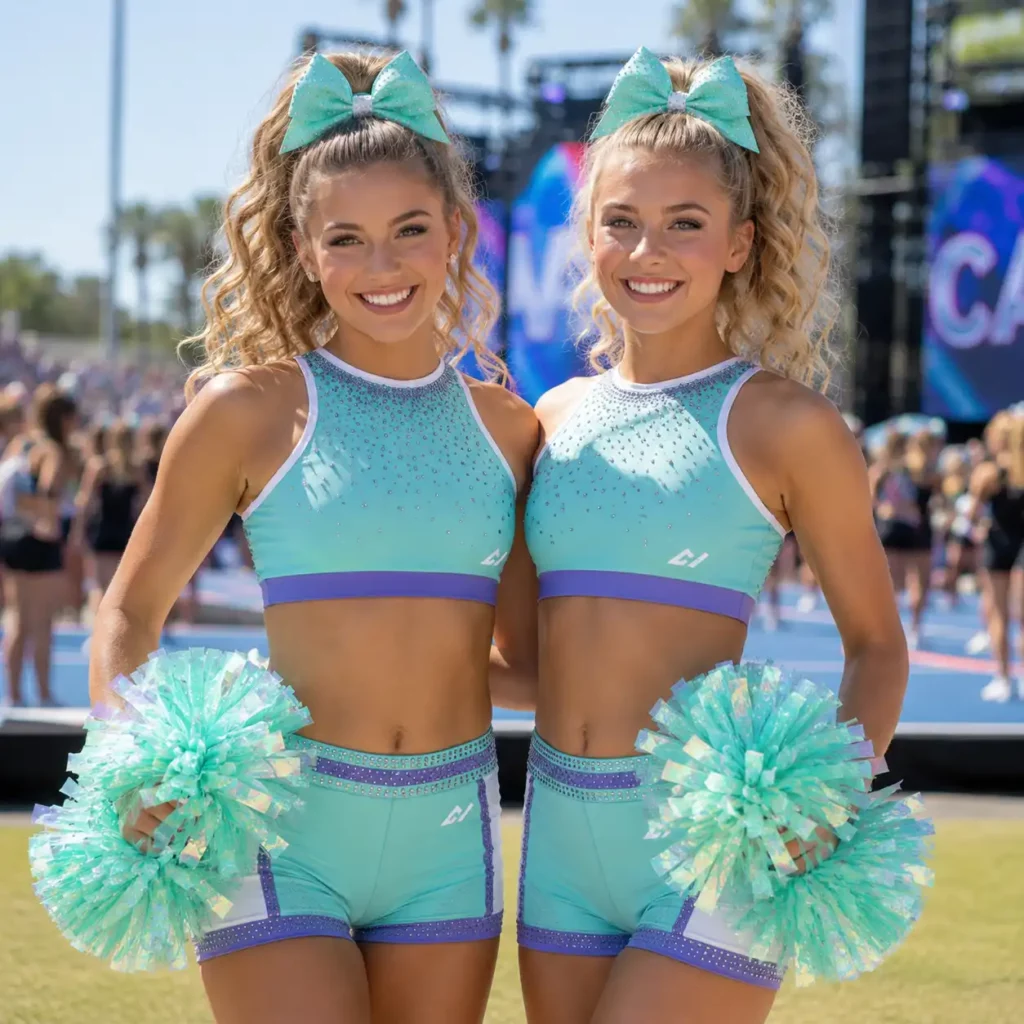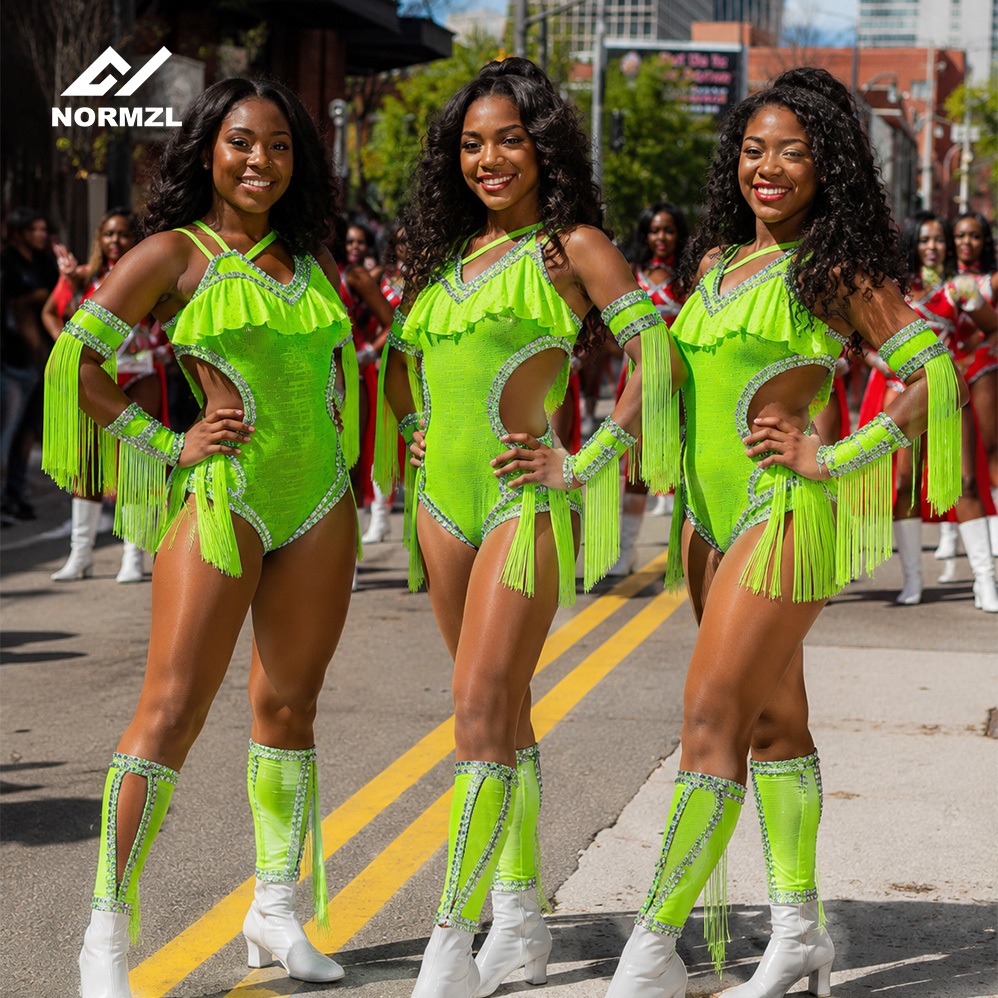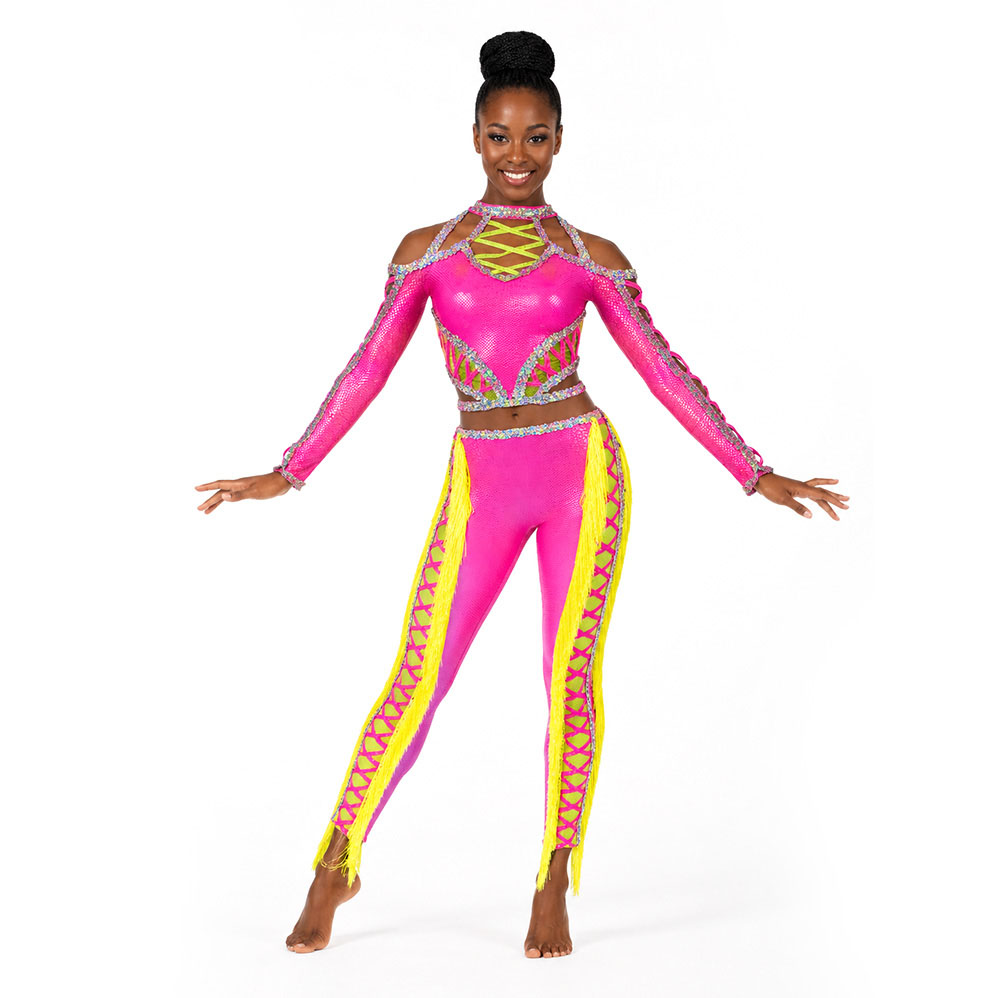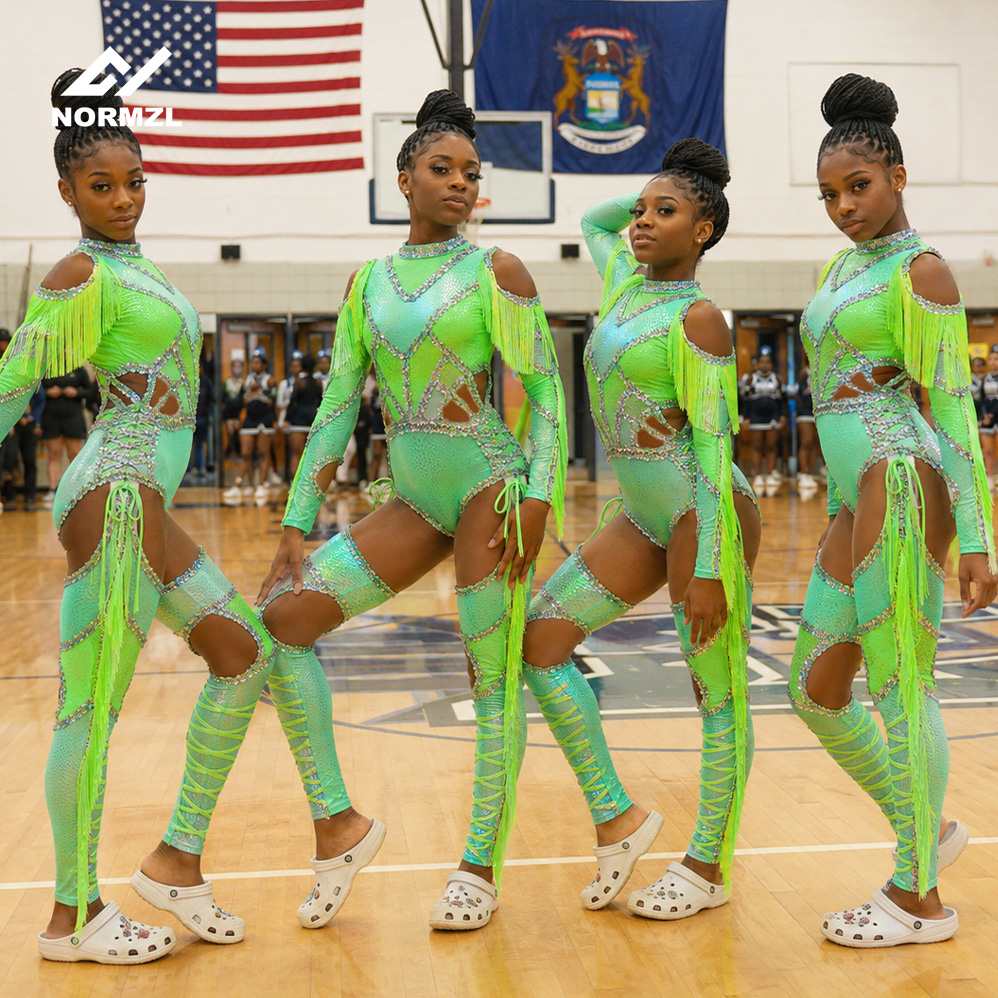






多くの応援プログラムは競技用ユニフォームの選択に重点を置いていますが、シーズンを通してさまざまなユニフォームカテゴリーがどのように連携するかを見落としています。. チームが成長するにつれて, トレーニングは 1 枚のユニフォームに頼る, 公演, 旅行, 競争により摩耗が早くなることがよくあります, 一貫性のないブランディング, 不要な交換コスト.
効果的な応援アパレル システムを構築するには、デザインを選択するだけでは不十分です. オールスターユニフォームの役割を理解する, サイドラインウェア, 練習用の服装, ウォームアップはアスリートの快適性を向上させるプログラムに役立ちます, 製品の寿命を延ばす, あらゆるアクティビティにわたってより一貫したチームイメージを作成します.
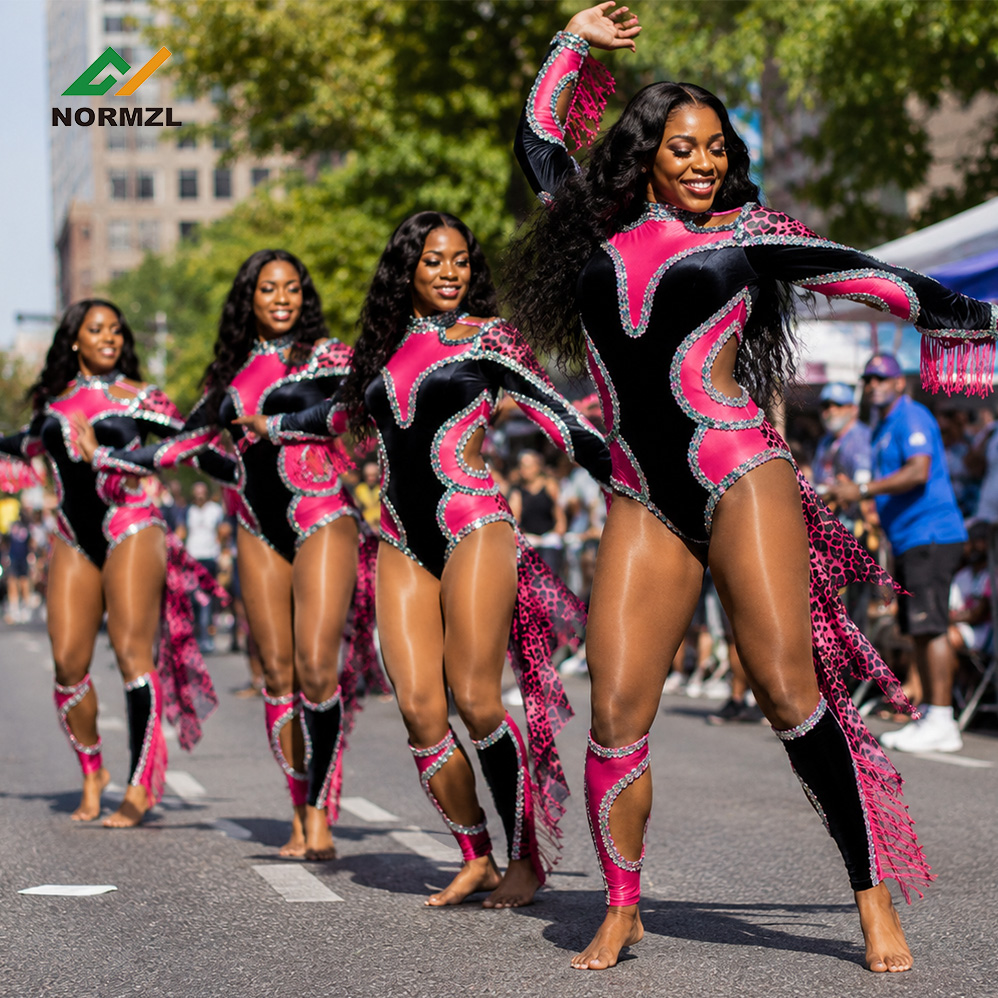
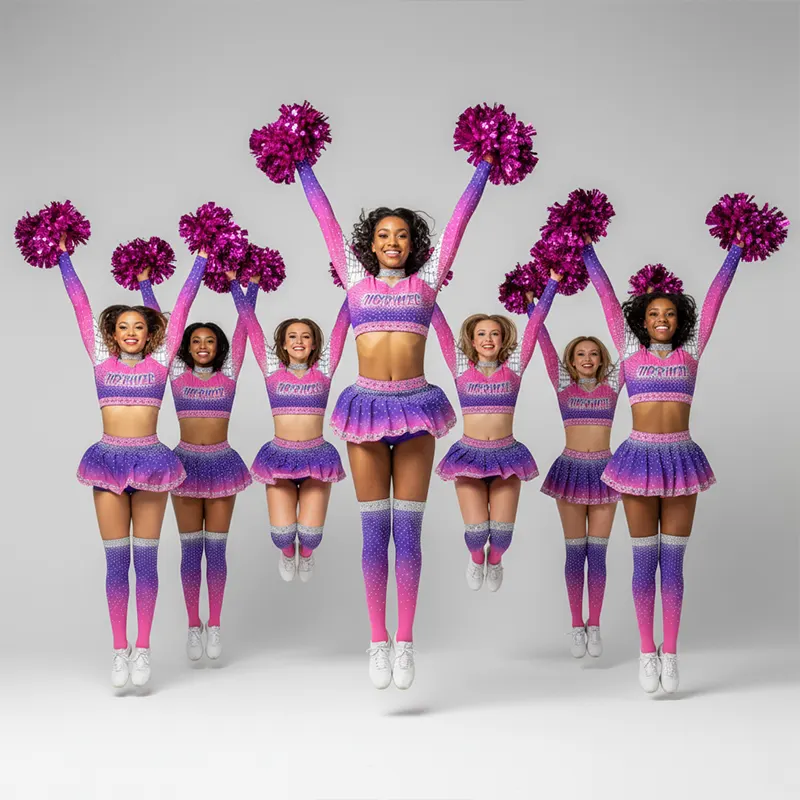
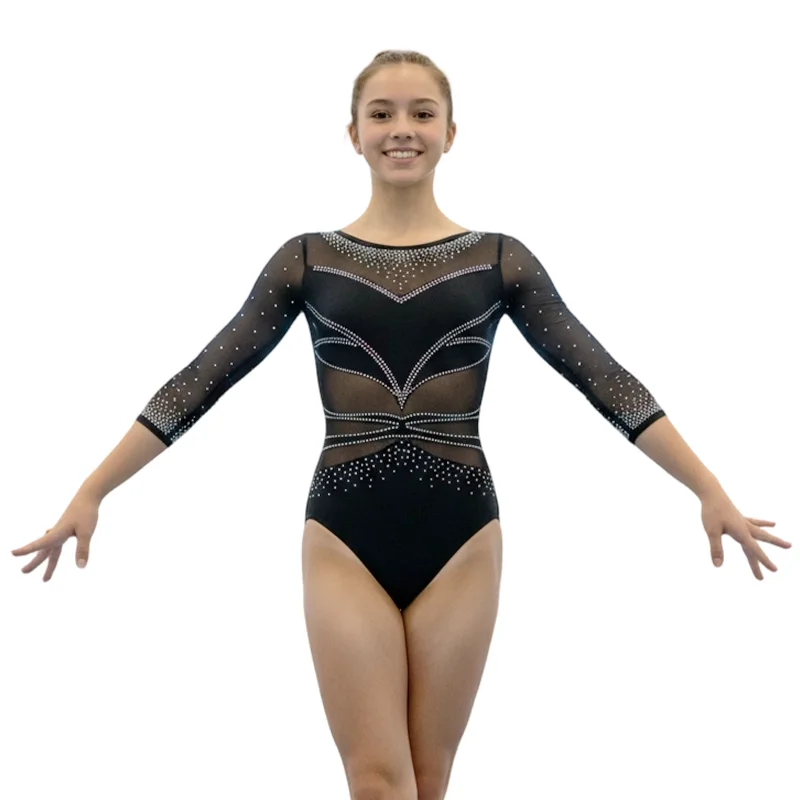
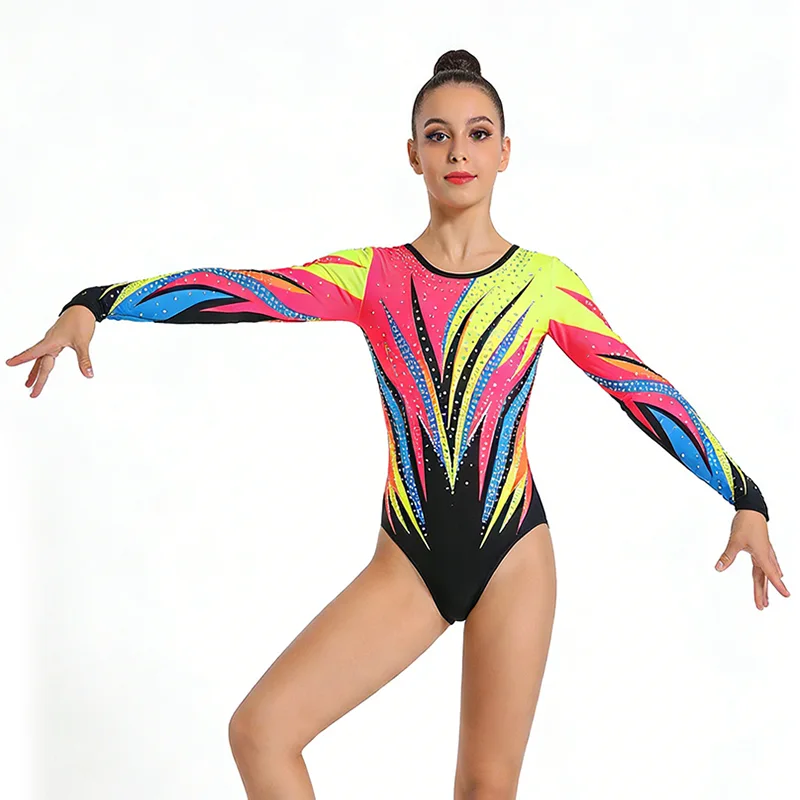
応援ユニフォームの種類と主な機能
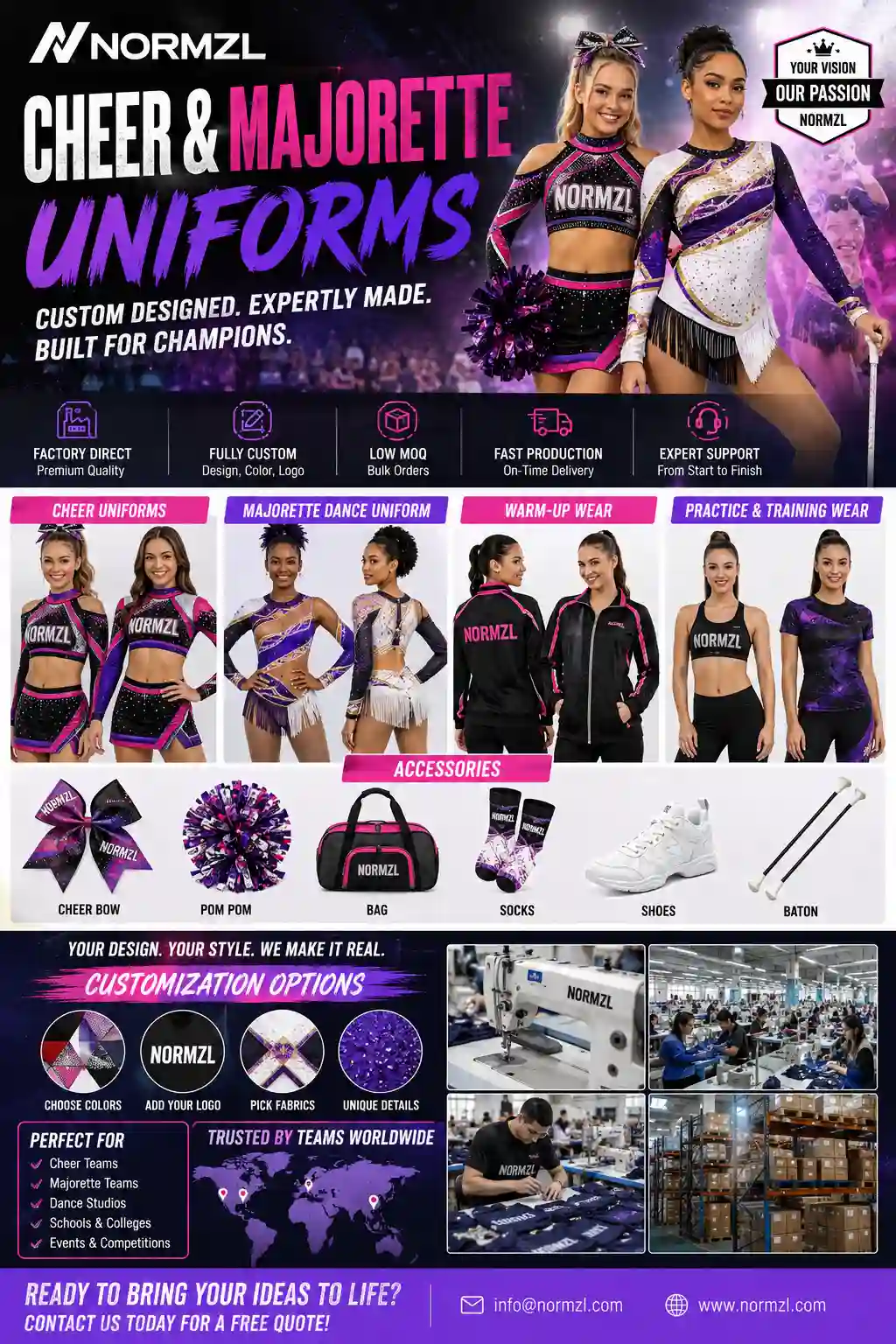
応援活動が異なれば、ユニフォームに対する要求も異なります。. 競技成績, 日々のトレーニング, 学校代表, およびチーム旅行には、それぞれ特定の機能優先度を備えたアパレルが必要です. これらの違いを理解することで、プログラムはより適切な購入決定を下し、不必要なコストを回避することができます。.
競争, 副業, 練習する, およびウォームアップの概要
ほとんどのチア プログラムは、単一のユニフォームではなく、複数のアパレル カテゴリに依存しています。. 各タイプは異なるパフォーマンスをサポートするように設計されています, ブランディング, シーズンを通しての運用上のニーズ.
| ユニフォームタイプ | 主な目的 | 主な特長 | 一般的な使用法 |
|---|---|---|---|
| オールスターユニフォーム | 競技成績 | 伸縮性の高い生地, しっかりフィット, 視覚的な装飾 | コンテストとショーケース |
| サイドラインユニフォーム | 学校のブランディング | 耐久性のある構造, 簡単なメンテナンス, チームの可視性 | ゲームと公開イベント |
| 練習着 | 日々のトレーニング | 通気性のある生地, 柔軟性, 頻繁に使用する耐久性 | 練習とコンディショニング |
| ウォームアップ | 準備とプレゼンテーション | 温度制御, コーディネートされた外観 | 旅行と公演前 |
統一要件がアクティビティ間でどのように変化するか
チア活動ごとに異なるアパレルソリューションが必要です. 競技用ユニフォーム 柔軟性を優先する, フィットセキュリティ, そして見た目のインパクトも, 多くの場合、高級ストレッチ素材と高度な装飾が必要です. これらの機能によりパフォーマンスが向上しますが、, 生産コストやメンテナンスコストも増加します.
対照的に、, 練習着 頻繁に使用する場合の耐久性と快適性を重視, その間 サイドラインのユニフォーム そして ウォーミングアップ サポートチームの可視性, 旅行, そしてイベントの準備. アクティビティごとに適切な衣服を使用すると、不必要な着用を減らすことができます, 交換コストを管理する, シーズンを通して全体的なユニフォーム管理を改善します.
ユニフォームの種類が完全なチーム システムにどのように適合するか
完全な応援プログラムが単一のユニフォーム カテゴリに依存することはほとんどありません。. 競技用ユニフォームは通常、イベントやパフォーマンスのために予約されています, 練習用ウェアは日常のトレーニング要求のほとんどを吸収しますが、. サイドラインユニフォームは競技会を超えてチームの認知度を広げる, ウォーミングアップは、移動中や準備中に一貫した外観を作成します。.
各カテゴリに特定の役割を割り当てることにより、, プログラムにより、プレミアム競技用ユニフォームの不必要な摩耗を減らし、交換サイクルをより効果的に管理できます。. この構造化されたアプローチにより、多くの場合、予算管理が改善されます。, より強力なチームブランディング, シーズンを通してより組織化されたアパレル戦略.
競技パフォーマンスのためのオールスターチアユニフォーム
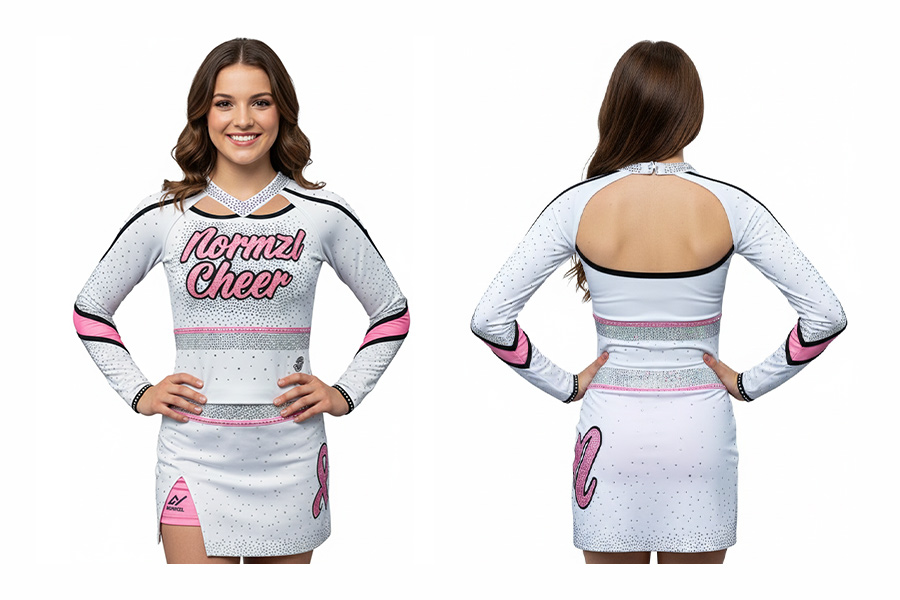
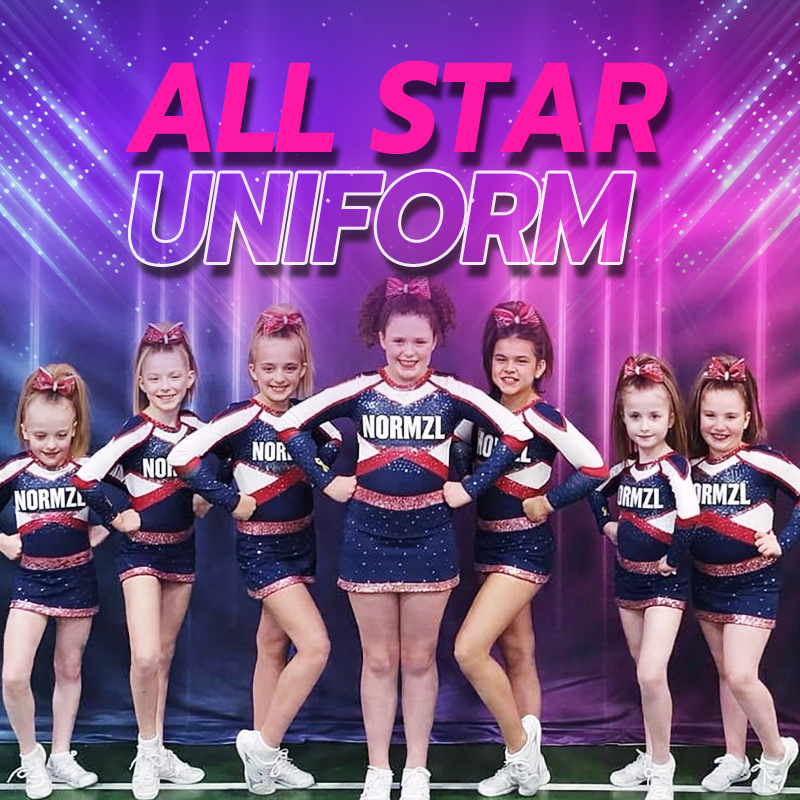
オールスターのユニフォーム パフォーマンスと精度が連携しなければならない一か八かの競争環境で運営される. あらゆる設計上の決定は、アリーナ条件下で制御された視覚的プレゼンテーションを維持しながら、爆発的な動きをサポートすることに重点を置いています。.
高強度の運動の要件
競技ルーチンにはタンブリングが含まれます, ジャンプする, スタント, 均一な構造に継続的にストレスを与える高速遷移. この環境では, 見た目だけよりも安定性が重要.
信頼性の高いパフォーマンスを保証するために, オールスターのユニフォームには、伸縮と圧縮を繰り返しても形状を維持する制御された弾性システムが使用されています。. これにより、複雑なルーチン中にユニフォームの位置を揃えたまま、アスリートが自由に動けるようになります。.
実行セキュリティのための構造的安定性
他のチアアパレルタイプとは異なります, オールスターのユニフォームは、衝撃の大きいパートナーの作業中も安定していなければなりません.
重要な構造上の優先事項には次のものがあります。:
- 応力強化: スタント時や着地時の衝撃の大きいゾーンを強化します。
- パネルエンジニアリング: 動きの方向を制御して衣服の安定性を向上
- しっかりフィットするデザイン: ルーチンの高速移行時のシフトを軽減します。
この構造により、アスリートはユニフォームを調整することなく、実行に完全に集中できます。.
競技条件下での視覚的パフォーマンス
オールスターのユニフォームは、照明やメディアの取材下での視覚的なパフォーマンスツールとしても機能します.
装飾的な過負荷の代わりに, デザイン要素 可視性を高めるために戦略的に使用されます, 対比, そしてモーショントラッキング. これにより、ペースの速いルーティン中、チームは観客や審査員の視点から視覚的にクリアな状態を保つことができます。.
のスタイルとトレンドの方向性 2026
オールスターユニフォーム市場 2026 運動パフォーマンスとファッションへの影響の間のより明確なバランスに向かって進んでいます, 動きの効率性と最新の視覚的アイデンティティに重点を置いています.
デザインのトレンドはより合理的なシルエットへと移行しています, メッシュなどの軽量の層状素材, クリーンさを好むより控えめな装飾, 強烈な輝きのエフェクトの上に構造的なディテールを施す. 同時に, 高機能素材は高度なメッシュシステムと統合されており、形状安定性を損なうことなく通気性と柔軟性を向上させています。.
全体, 2026 デザインは、より軽く感じられるパフォーマンス重視のアイデンティティを優先します, より運動的な, 現代の競争のペースの速い要求にも対応.
チャンピオングレードのチームウェアをワンストップで購入できるショップ
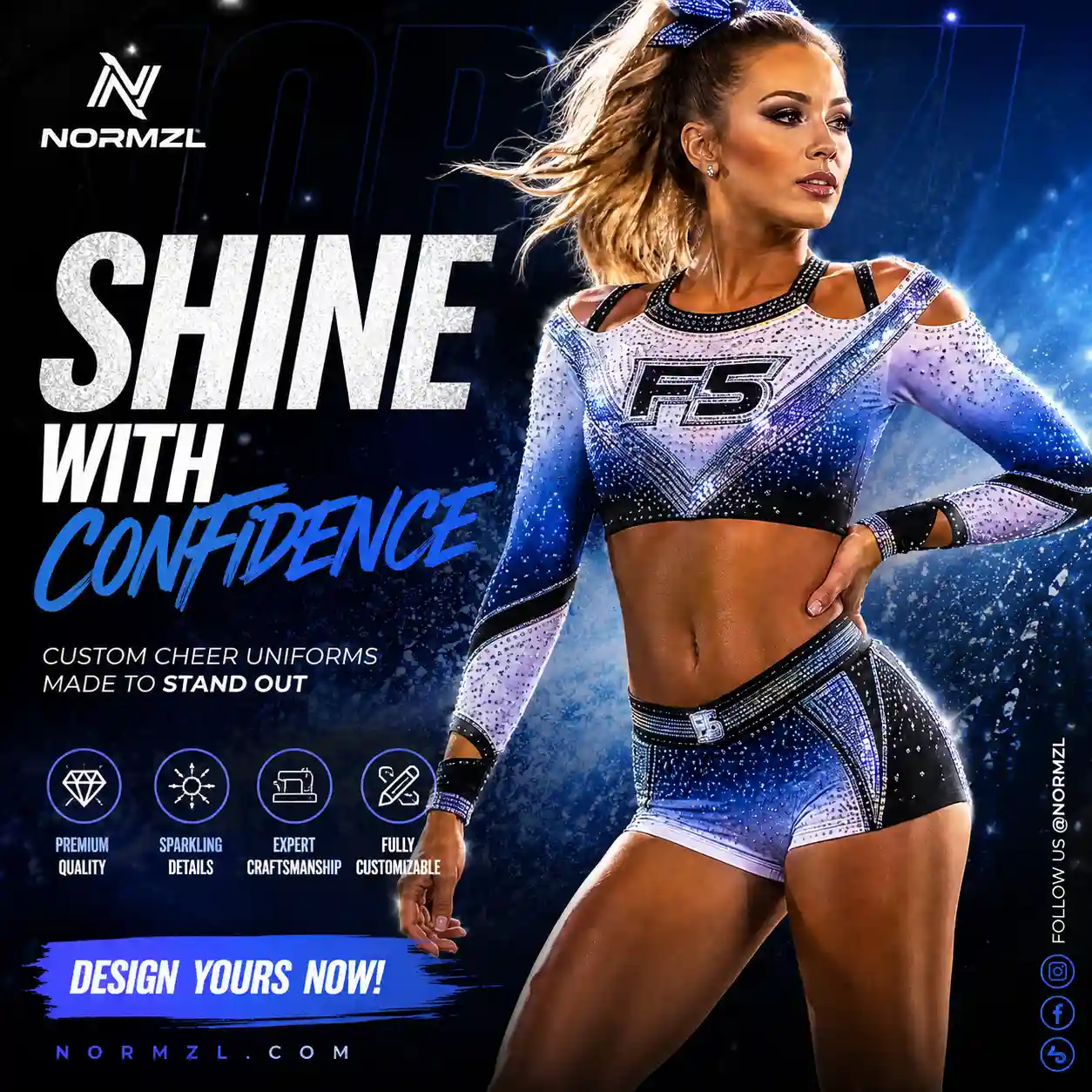
学校のブランディングと耐久性を高めるサイドライン応援ユニフォーム
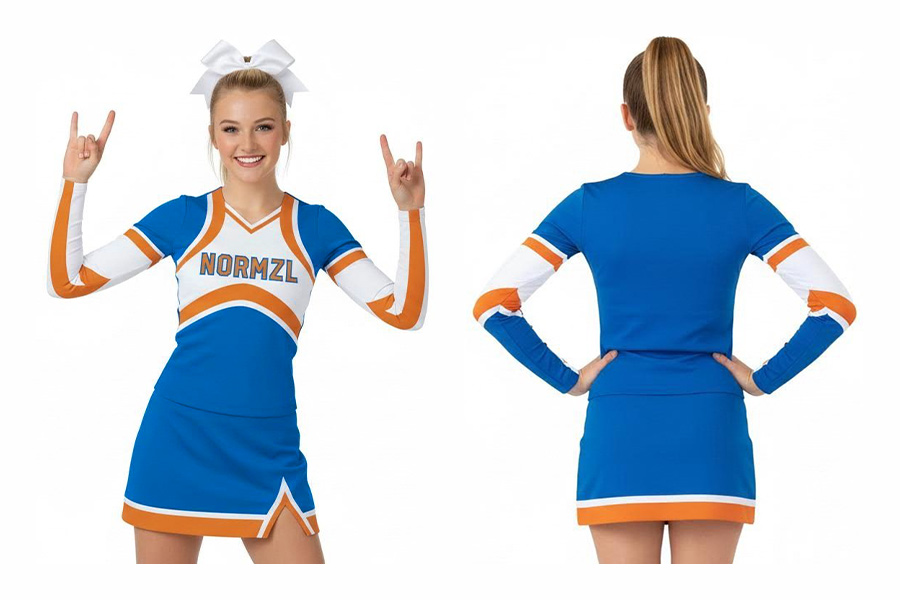
サイドラインユニフォーム 競技用ウェアとは異なるパフォーマンスコンテキストで動作する. 試合や公共イベント中に視認性を高めるように設計されています。, アスリートが激しい運動ではなく長時間露光を経験する場所.
重要な要件は、長期にわたって一貫性があることです, ピークパフォーマンス出力ではない.
公共の場でのアイデンティティ表現
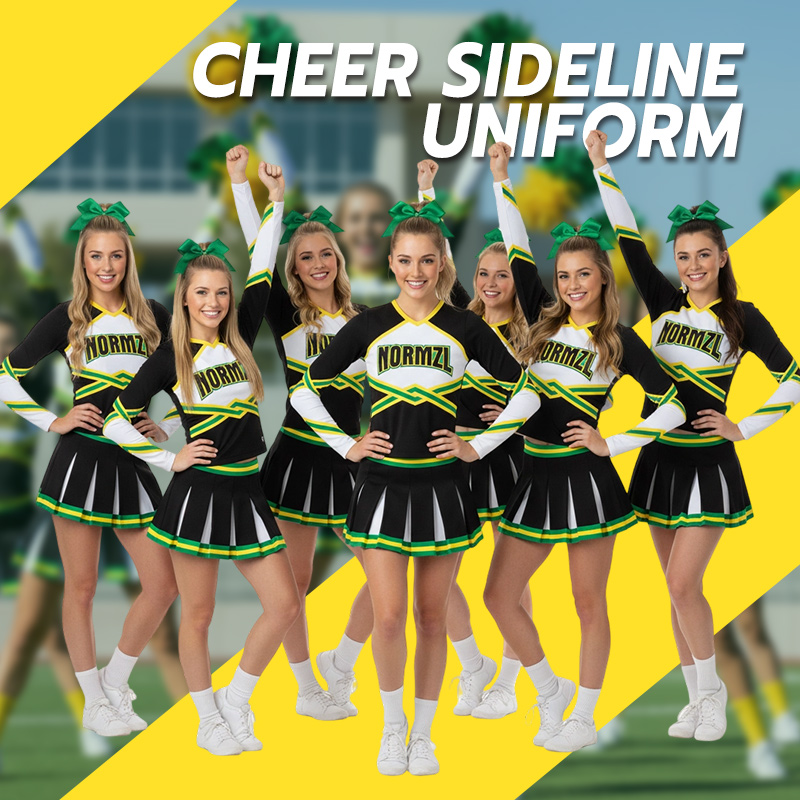
サイドラインのユニフォームは学校のブランディングを直接拡張したものとして機能します. 大規模なグループ編成や遠くから見た場合でも、視覚的に一貫性があり、認識可能である必要があります。.
オールスターのユニフォームとは違います, サイドラインアパレルは、技術的なパフォーマンス機能よりも視覚的な明瞭さを優先します。. これにより、シーズン中のすべての公の場で安定したチームのアイデンティティが確保されます。.
- 色の統一: すべてのアスリートにわたって一貫した学校ブランドを維持します
- ロゴの可視性: 遠くから見ても確実に認識できる
- 視覚的なシンプルさ: クリーンで統一されたグループ形成をサポート
繰り返し使用できる材料の安定性
サイドラインのユニフォームは、使用と洗濯を繰り返しながらシーズン全体にわたって着用されます。.
焦点は弾力性やパフォーマンスのストレッチではありません, しかし長期的な構造安定性. 素材は、季節ごとに長期間着用した後でも、形状と色の一貫性を維持する必要があります。.
これにより、交換頻度が減り、予測可能な均一なライフサイクル計画がサポートされます。.
興味があるかもしれません: 細部を傷つけずにチアユニフォームを洗う方法
長時間露光時の環境適応
サイドライン応援は、アスリートが長時間活動を続けるスタジアムや屋外環境で行われます。.
競技ルーチンとは異なり、, ここでの課題は強度ではなく持続時間です. ユニフォームは、安定した視覚的表現を維持しながら、変化する気象条件下でも快適さと一貫性をサポートする必要があります。.
通気性と軽量構造により、長時間の試合中の疲労を軽減します, 安定したフィット感により、調整しなくてもユニフォームの一貫性が保たれます。.
練習着, ウォームアップ, 研修支援制度
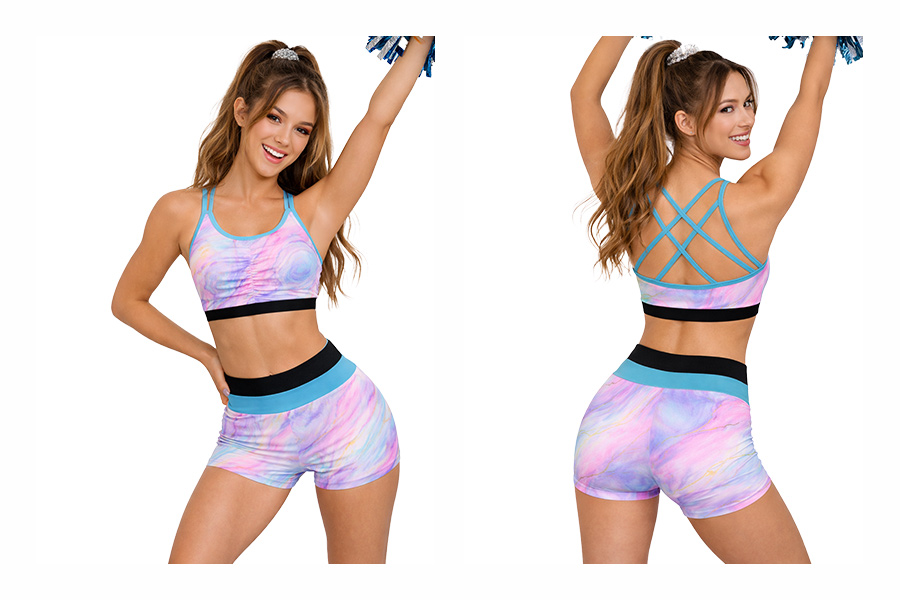
この層は応援プログラムの運用基盤として機能します。. 日々のトレーニングをサポートします, 移行段階, パフォーマンスの実行や公の場でのプレゼンテーションではなく、チームのロジスティクスを重視します。.
競技用やサイドラインのユニフォームとは異なります, このシステムは次のように定義されます 使用頻度と機能サポート, 視覚的なインパクトではなく.
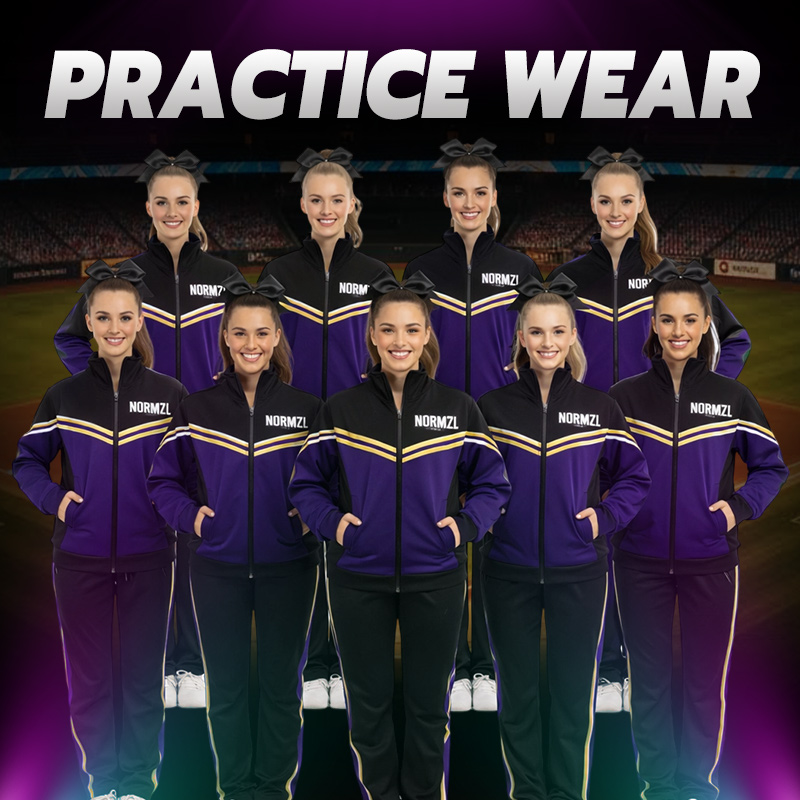
高周波トレーニングギアとしての練習着
練習着 応援プログラムで最も頻繁に使用されるカテゴリです, 毎日の反復トレーニング向けに特別に設計されています.
その構造は、イベントのパフォーマンスではなく、継続的な物理的ストレス下での一貫性を考慮して構築されています。.
主な優先事項には以下が含まれます:
- 動作耐久性: トレーニングサイクルを繰り返しても構造を維持
- 快適な安定性: 刺激なく長時間の着用をサポートします。
- 耐洗濯性: 頻繁な洗浄サイクル後も形状を維持
これにより、練習着はシステム全体の中で最も運用負荷の高いカテゴリーになります。.
移行層システムとしてのウォームアップ
ウォームアップ トレーニング環境とパフォーマンス環境の間の橋渡しとして機能する.
練習着とは違います, 高周波の物理的ストレスに耐えられるように設計されていません。. その代わり, 彼らは移行サポートに重点を置いています, チームの連携を維持しながら、アスリートが環境間を移動できるよう支援する.
主な機能には温度調節が含まれます。, パフォーマンス前の準備, 移動中やステージング中の一貫した視覚的プレゼンテーション.
運用サポートコンポーネントとしてのアクセサリ
付属品 チーム構造全体でパフォーマンス以外の機能をサポートすることでシステムを完成させる.
運動の実行には直接影響しません, 日常業務の効率と一貫性を向上させます.
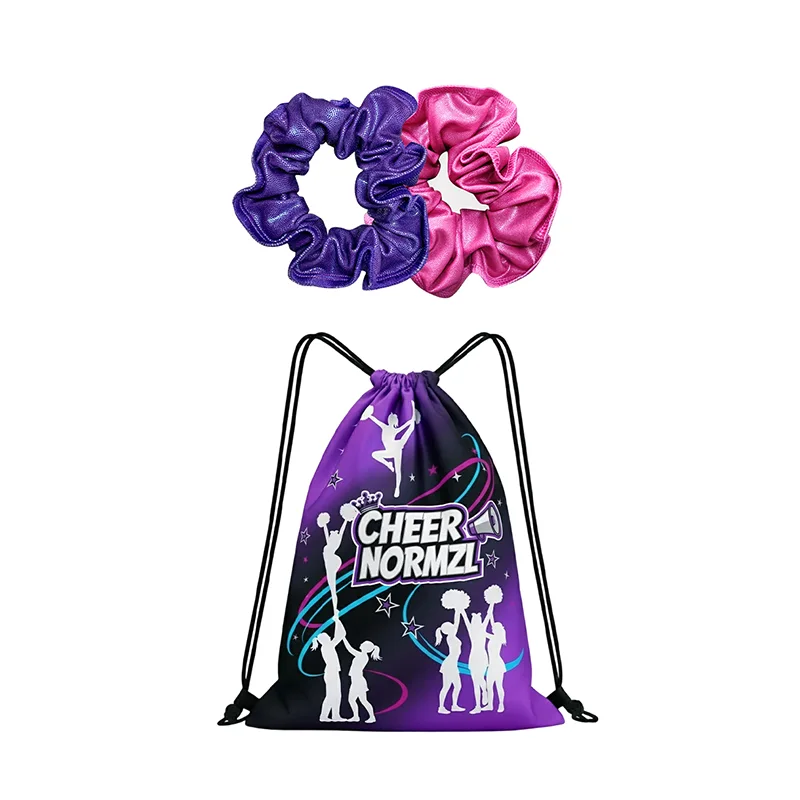
- 物流サポート: 輸送と機器の組織を改善する
- ID拡張: 公式ユニフォーム以外のブランドを維持する
- 安全サポート: トレーニング活動中の保護を強化します
一緒に, チームが個別のアパレルアイテムではなく、統一されたシステムとして機能することを保証します。.
予算別のチアユニフォームの選び方, 季節, およびプログラムの種類
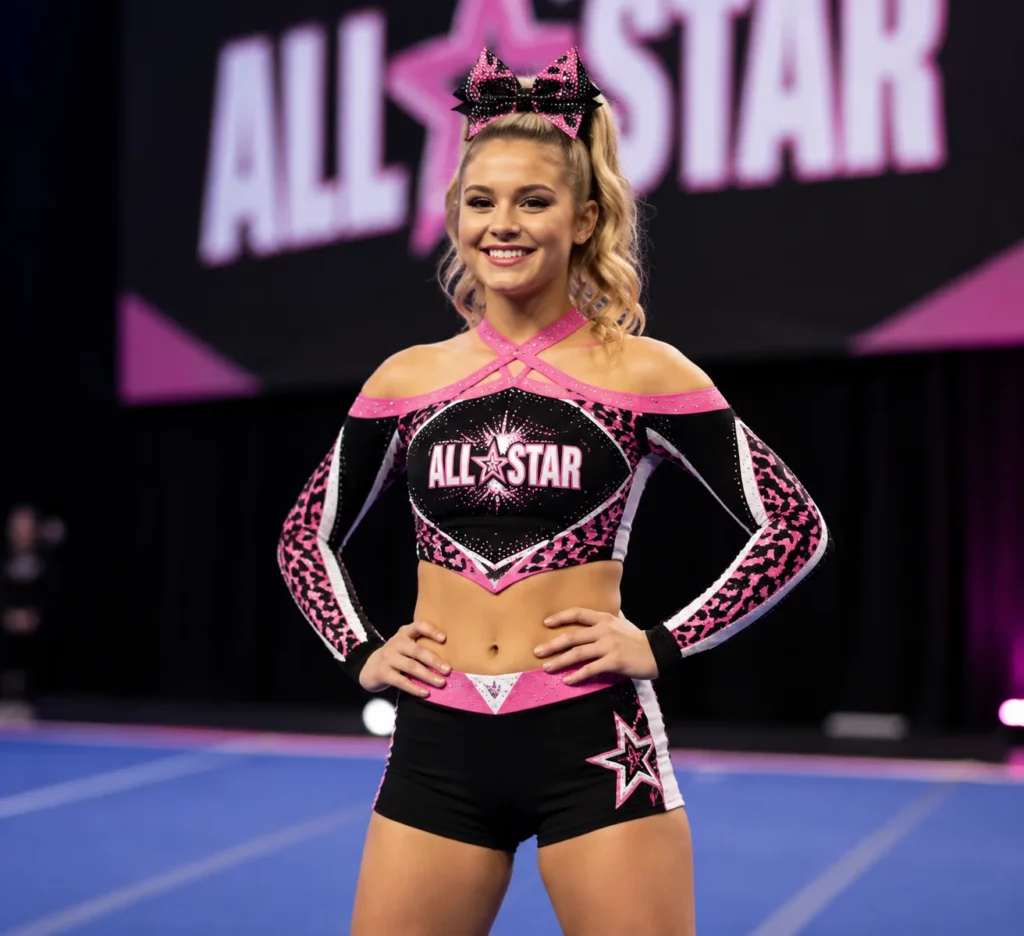
Cheerユニフォームの選択は、プログラムレベルを結び付ける構造化された決定プロセスです, 予算配分, 季節ごとの使用パターン. それぞれの要素が材料の選択に影響します, 設計の複雑さ, 長期的な代替戦略.
興味があるかもしれません: 競技チーム向けのカスタム オールスター チア ユニフォーム ガイド
プログラムレベルとコンペティションのニーズに応じた選択
プログラムが異なれば、使用強度やパフォーマンスの期待に基づいて「価値」の定義も異なります。.
青少年向けプログラムは快適さと成長の柔軟性を優先します. 学校チームは耐久性とブランドの一貫性に重点を置いています. オールスター チームには、動きと視覚的なインパクトの両方をサポートする高性能素材が必要です.
主な違いは、ユニフォームがどのくらいの頻度で使用されるか、そしてどのレベルのパフォーマンスプレッシャーの下にあるかにあります。.
予算に基づいた生地と装飾の戦略
予算配分は素材の品質と視覚的な複雑さの両方を決定します, ただし、コスト制限ではなくバランス システムと見なす必要があります。.
予算が低い場合は、装飾を最小限に抑えた機能的な生地を優先します. 耐久性とデザインのバランスをとったミッドレンジのオプション. 先進的な素材と装飾技術により視覚的なインパクトを強調したハイエンドのユニフォーム.
- コスト効率: 不必要な装飾の複雑さを軽減
- バランスの取れたデザイン: 耐久性と視覚的なプレゼンテーションを調和させる
- プレミアム出力: パフォーマンスの可視性とアイデンティティに重点を置く
季節の計画と再注文に関する考慮事項
季節条件は生地の選択と均一なライフサイクル計画に直接影響します。.
暖かい季節には通気性のある素材が必要です. 寒い季節はレイヤードシステムとウォームアップを優先します. 長い競技スケジュールでは、繰り返しの使用サイクルにわたって均一な完全性を維持するために、より高い耐久性が必要です.
適切な計画により、再注文の一貫性が向上し、季節ごとの生産変動が軽減されます。.
よくある質問
チアチームにはユニフォームが何枚必要ですか?
ほとんどのチアチームは、シーズンごとに少なくとも 2 ~ 3 種類のユニフォームセットが必要です: 毎日のトレーニングに使用できる複数の練習着, プライマリーゲーム/サイドラインユニフォーム, および別の競技用ユニフォーム. 多くのプログラムには、旅行や副業で使用するためのチームウォーミングアップセットも含まれています, アスリートごとの個別の衣装の総数は 5 ~ 8 になります。.
カスタムオールスターチアユニフォームを選択する際に考慮すべき要素は何ですか?
カスタムオールスターチアユニフォームは生地の性能に基づいて評価されるべきです, 構造的安定性, 競技照明の下でのビジュアルプレゼンテーション. 重要な考慮事項には、高強度の動きのための弾力性と回復性が含まれます, スタントの安全性を高める強化構造としっかりとしたフィット感, アリーナ条件下でも視認性とチームのアイデンティティを維持するデザインの明瞭さ.
応援プログラムはユニフォームの交換コストをどのように削減できるか?
応援プログラムでは、アパレルを機能ごとに分けて使用量を制御することで、制服の交換コストを削減できます。. 競技用ユニフォームはイベント用に予約しておく必要があります, 練習着は毎日のトレーニングに対応し、着用圧力を軽減します. 高頻度で使用する耐久性のある生地を選択し、季節サイクルに基づいて交換を計画することも、製品の寿命を延ばし、全体的な予算効率を向上させるのに役立ちます。.
適切なチアユニフォームのスタイルを選択するにはどうすればよいですか?
適切なスタイルを選択するには, まずチームの主な目的を定義します (サイドライン vs. 競争). それから, 伝統的な外観のどちらかを決める (シェルトップ, プリーツスカート) 長く愛用できる、またはトレンディなスタイルを実現するために (クロップトップ, 昇華されたグラフィックス) 競争力を高めるために. ついに, 予算を考慮してください, ブランドアイデンティティ, パフォーマンスのニーズ, 学校やリーグの服装規定の規定.
最終的な考え
チアユニフォームは、以下のようなさまざまなカテゴリーを含む構造化されたシステムとして見なされるべきです。 応援ユニフォームの種類: オールスター, 副業, 練習着, とウォームアップ. 各カテゴリはチーム活動の特定の段階をサポートします, 日々のトレーニングから競技パフォーマンス、公の場への出演まで, シーズン全体にわたって調整されたワークフローを作成する.
これらの要素が一緒に計画されると、, プログラムはより優れたコスト管理を実現できます, より一貫したチームプレゼンテーション, 年間を通じてアスリートの快適性が向上. 完全で信頼性の高いユニフォームシステムの構築を検討しているチーム向け, ノルムツル 提供します カスタマイズされたチアアパレルソリューション パフォーマンスをサポートするように設計されています, ブランドの一貫性, そして長期的なチーム開発.