





Band majorette uniforms and HBCU dance uniforms are sometimes treated as variations of the same category, and the overlap in sparkle and school colors can make them look interchangeable from the stands. In practice, the differences between the two run deeper than decoration choices. They come from the performance environment each team operates in, the movement vocabulary the choreography demands, the visual goals a director is trying to hit, and the team culture that shapes what “looking right” means on a given field or stage.
Understanding those differences matters when you are specifying a uniform for production. A design that works well for a marching majorette line on a parade route can create problems for a dance team executing high-kick choreography on a halftime stage—and vice versa. This guide walks through the comparison across performance context, 工事, シルエット, アクセサリー, and where the two styles can and should not overlap.
簡単な比較
The table below summarizes the main dimensions where band majorette uniforms and HBCU dance uniforms typically diverge. Each point is a generalization; specific teams may blend elements from both traditions.
| Dimension | Band Majorette | HBCU Dance |
|---|---|---|
| Primary venue | Outdoor parades, marching band field shows, campus ceremonies | Halftime shows, step shows, competition stages, indoor arenas |
| Common movements | Marching in formation, baton twirls, coordinated turns, arm sweeps | High kicks, hip-driven choreography, fast directional changes, floor work, ジャンプする |
| Typical silhouette | Structured jacket or tunic with skirt; defined waist; cape optional | Close-fitting bodysuit or cropped top with brief shorts; fringe and rhinestone accents |
| 履物 | Marching boots, typically mid-calf or knee-high | Knee-high or thigh-high dance boots, often metallic or rhinestone-decorated |
| 装飾 | Braiding, メタリックトリム, epaulettes, structured embroidery | フリンジ, スパンコール, rhinestone patterns, メッシュパネル, 金属生地 |
| Outdoor requirements | High—designed primarily for extended outdoor performance in varying weather | Moderate—often used outdoors at stadium events but also indoors; fabrics may prioritize stretch over weather resistance |
This comparison frames the sections that follow. The two styles share school-color palettes and a commitment to visual impact, but the engineering behind each uniform reflects different priorities.
What Defines a Band Majorette Uniform?
A band majorette uniform starts from a single design constraint: it must read as part of the marching band’s overall visual presentation. The majorette line moves with and alongside the band, often in the same formation, and the uniform needs to coordinate with the brass section’s jackets, the color guard’s flags, and the drum line’s harnesses. That coordination requirement shapes nearly every decision that follows. The role of the majorette as a band-auxiliary performer is outlined in the Wikipedia overview of the majorette tradition.
The first practical consequence is distance identification. Majorettes perform on parade routes, football field sidelines, and large outdoor ceremony grounds—settings where the audience may be 50 に 100 yards away. Uniform elements need to be legible at that range: 大胆なカラーブロッキング, structured silhouettes that hold their shape, and accessories that add height and visual weight above the shoulder line. A detailed rhinestone pattern that looks striking up close may disappear entirely from the top bleacher row.
Design language in band majorette uniforms typically draws from military band and guard traditions. Structured jackets with standing collars, double-breasted closures, and brass-toned buttons are common, with epaulettes, braided cord trim, and gauntlet cuffs reinforcing the formal, processional character. These elements belong to a visual vocabulary audiences associate with marching band tradition, and removing them tends to make the uniform look incomplete rather than simplified.
The accessory system is extensive. Capes add sweep during turns; hats—shakos, busbies, or peaked caps with feather plumes—add vertical presence; gloves create uniform hand positioning; and boots are designed for sustained marching on pavement or turf. Fabrics tend toward structured materials like wool-blend melton for jackets and satin-faced synthetics for skirts and capes, chosen to hold their shape through hours of outdoor performance. You can browse examples of structured majorette pieces in the ダンス & マジョレットチーム category.
What Defines an HBCU Dance Uniform?
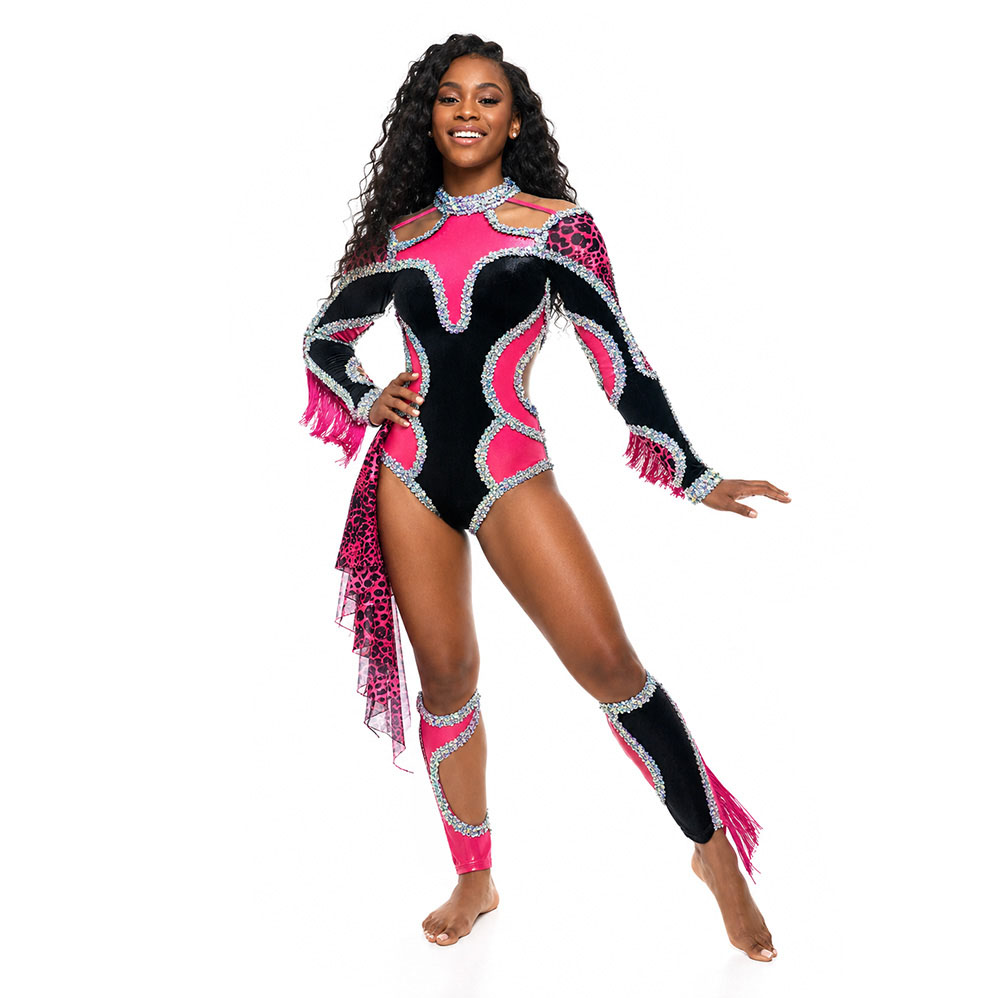
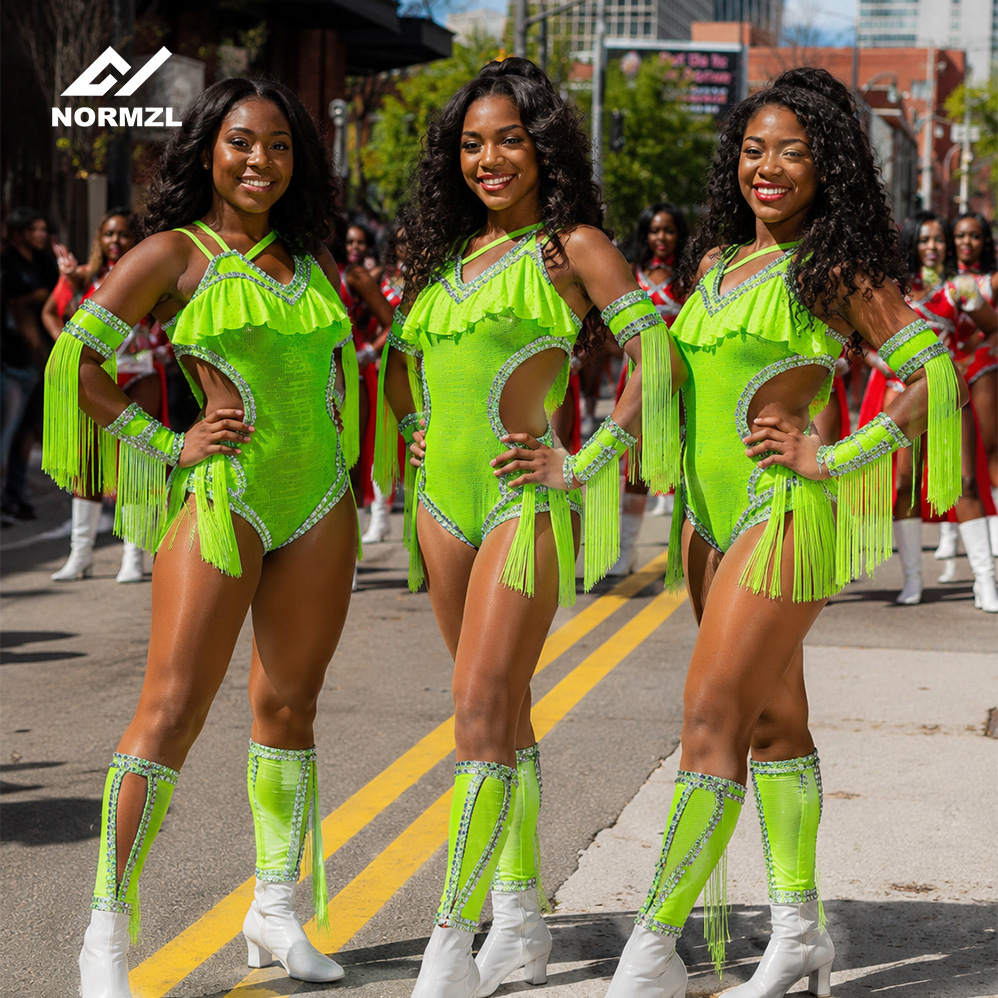
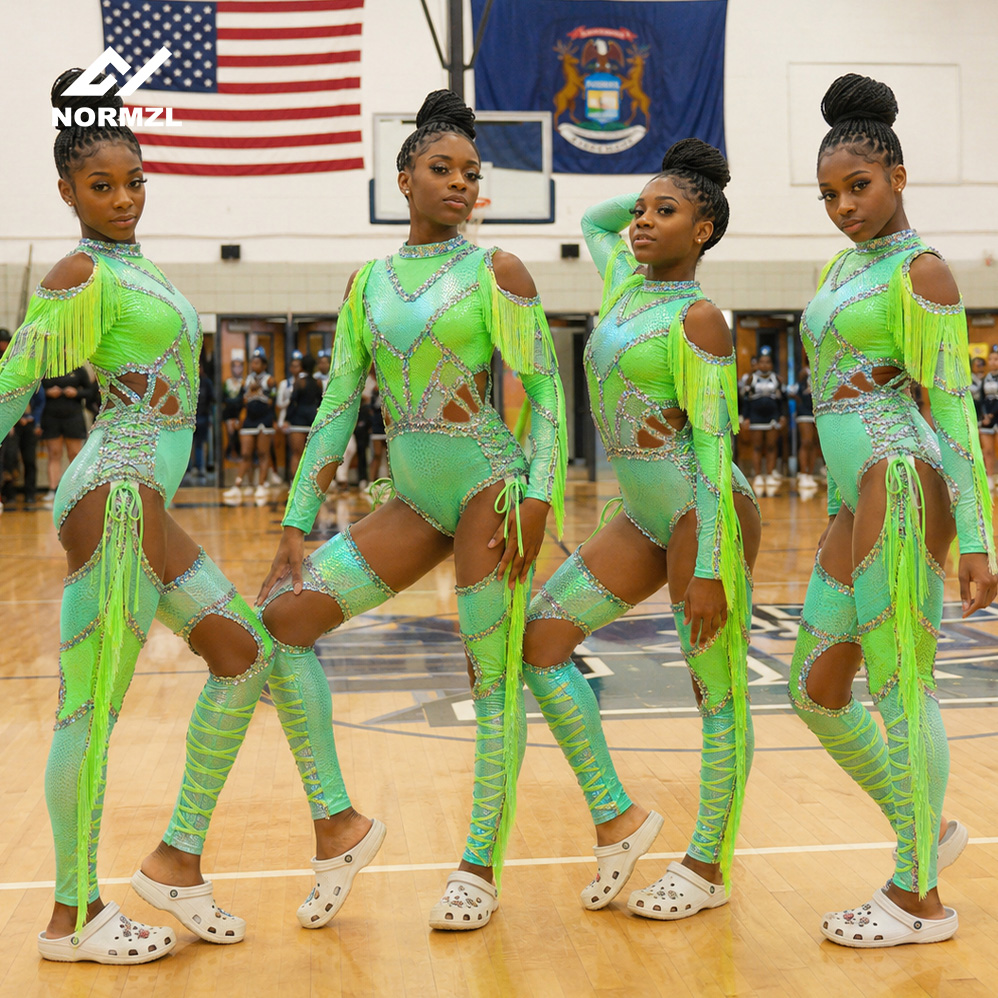
HBCU dance uniforms are built around a different performance model. The dance line performs choreographed routines—often during halftime, at step shows, or in competition settings—where the choreography emphasizes high kicks, rapid hip-driven movements, ジャンプする, and fast formation changes. The visual goal is not processional formality but dynamic energy: the uniform should amplify every movement the body makes.
Performance venues range from stadium fields under Friday night lights to indoor arenas and gymnasiums at step shows. The same uniform may need to read under open sunlight, theatrical spotlights, or fluorescent gym lighting—pushing designs toward sequins, 金属生地, rhinestone patterns, and fringe that catch and reflect light from any angle.
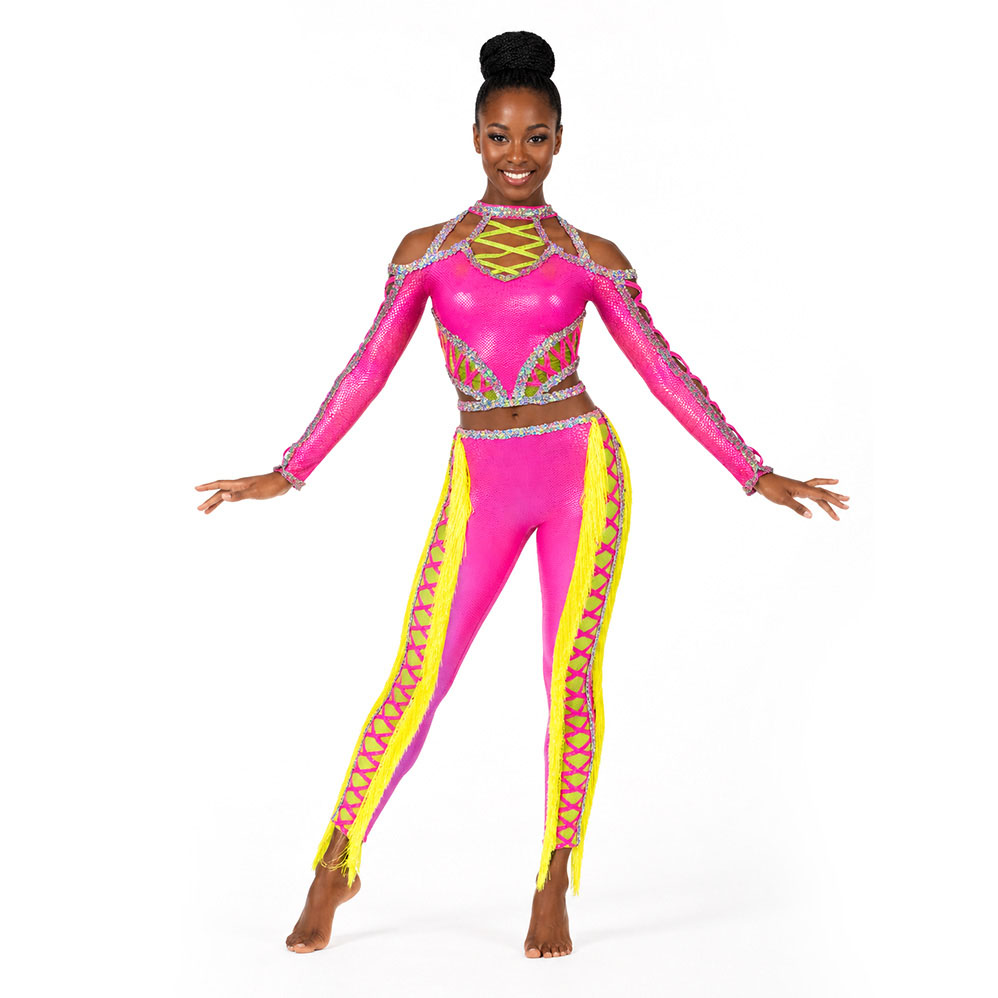
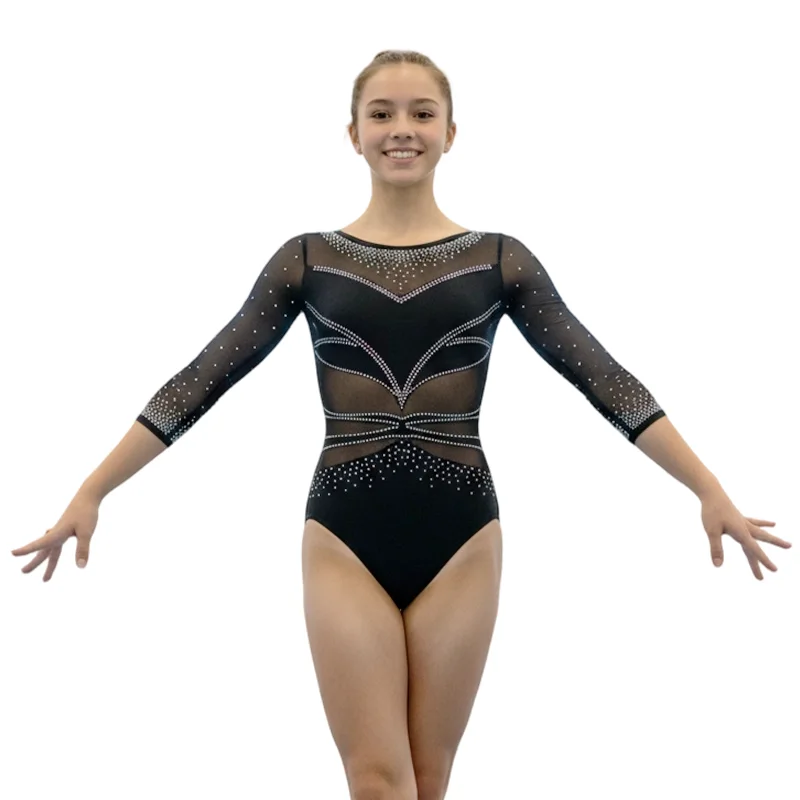
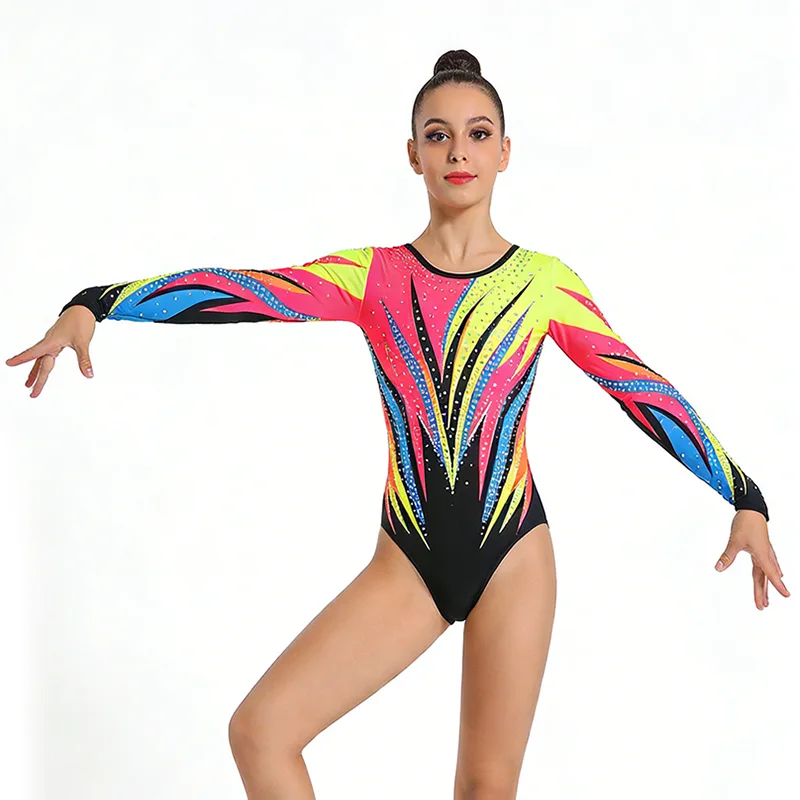
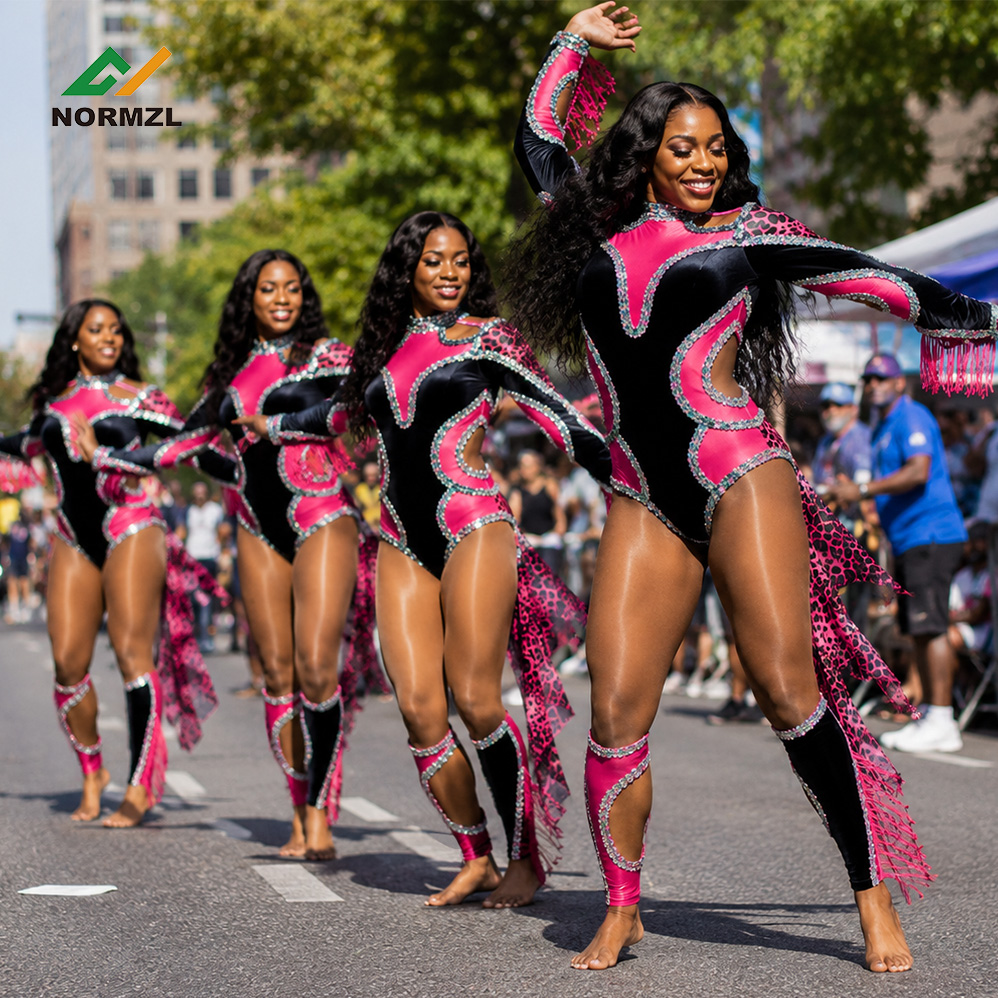
The silhouette typically follows the body closely. Bodysuits—full-torso or cropped—are common because they stay in place through inversions, floor work, and rapid directional changes. When a two-piece set is used, the top is usually cropped to expose the midsection, allowing the audience to read the body line during hip isolations. Shorts are brief and stretch-cut to clear the leg during high kicks.
Fringe is one of the most functionally important elements in an HBCU dance uniform. Strategically placed fringe along the hips, hem, and sleeves accentuates hip movement and adds visual momentum during transitions. When a dancer snaps into a hip hit, the fringe continues the motion a fraction of a second after the body stops, making the movement read larger from the stands. Rhinestone patterns serve a similar amplification function under stage lighting, turning body lines into visible light paths. 私たちの majorette uniform design ideas guide shows how these silhouettes are typically decorated.
Footwear in HBCU dance is typically knee-high or thigh-high boots in metallic finishes, school colors, or rhinestone-covered uppers. The boot needs to stay secure during high kicks, provide some ankle support for repetitive impact, and maintain a clean visual line that extends the leg. の ダンス & マジョレットチーム category includes both bodysuit-based and two-piece dance uniform options.
Movement and Construction Differences
The movement vocabularies of band majorette and HBCU dance place different demands on uniform construction. Understanding those demands helps explain why the two styles cannot simply be decorated variants of the same pattern. How those demands translate into stitching and finishing is covered in our majorette dance uniform craftsmanship guide.
Shoulder mobility. Dance routines require full overhead arm extension and rapid position changes. The armhole and shoulder seam of a dance uniform need to accommodate that range without riding up. Band majorette jackets are cut with a more contained arm position—the wearer’s arms swing in coordinated marching motion but rarely extend fully overhead. A structured jacket with set-in sleeves works for marching but would restrict dance choreography.
Hip mobility. High kicks, squats, hip isolations, and floor work are central to HBCU dance. The hip and waist area needs significant stretch or a carefully engineered cut that moves with the body. Band majorette skirts sit at or below the natural waist and move through a more limited range—coordinated turns and marching strides rather than splits and kicks. The waistband on a majorette skirt can use non-stretch fabrics and internal stays because the movement demand at the hip is lower.
Marching versus choreography. Marching is repetitive and sustained over long periods. A band majorette uniform needs to handle hours of continuous walking without chafing or shifting. Dance choreography involves explosive movements with recovery pauses—the uniform needs to recover its position quickly after each burst rather than gradually shifting over time.
Spins and turns. Both styles include turns, but the outer-layer behavior differs. A band majorette’s cape needs to open cleanly during a spin without tangling on the hat plume. A dance team’s fringe needs to create visual momentum that complements the rotation—flying outward on the spin and settling back on the stop. These call for different attachment methods and trim weights.
Outdoor durability. Band majorette uniforms face sun, wind, rain, and repeated contact with pavement during parades. Construction favors heavier fabrics, reinforced seams, and weather-resistant trim. HBCU dance uniforms are used outdoors at stadium events but also frequently indoors, and their fabrics may prioritize stretch and light reflection over weather resistance.
Silhouette and Coverage
The silhouette differences between band majorette and HBCU dance uniforms reflect their different performance contexts and visual goals.
Band majorette uniforms typically feature a defined waistline with a flared or pleated skirt at or above the knee, a structured jacket or tunic with standing collar, and coverage that leans conservative—sleeves present, higher neckline, skirt providing full marching range. Some designs incorporate a vest or bolero over a blouse. The leg line below the skirt is covered by boots meeting the skirt hem, creating a continuous visual block from waist to foot.
HBCU dance uniforms often use a bodysuit or cropped-top silhouette with brief, stretch-cut shorts. The waistline may sit at the natural waist or lower on the hip, depending on the choreographic style. The leg line is exposed and extended with high-cut bodysuit lines and knee-high or thigh-high boots, creating a long visual line that reads well from stadium seating. Some teams use both bodysuit and two-piece options for different routines.
Team uniformity takes different forms in each style. In band majorette, every member wears the same structured silhouette with accessories in the same positions—the visual impact comes from formation precision. In HBCU dance, uniformity is achieved through matching color, decoration pattern, and silhouette type, but close-fitting garments need to fit a range of body types well, requiring more individual size attention than a structured jacket with adjustable closures. School regulations and team traditions may set specific expectations for coverage level and length, and the design should confirm alignment with those guidelines before production begins.
Accessories and Footwear
Accessories are where the two styles become most visibly distinct.
帽子. Band majorette uniforms typically include a formal hat—shako, busby, or peaked cap—often with a feather plume, adding height to the silhouette and helping the line read as a formation from a distance. HBCU dance uniforms may use a decorative headpiece, feathered headband, or no headwear at all, since the choreographic focus is on the body’s movement rather than a formal headpiece.
手袋. Formal gloves—usually white or matching the uniform color—are standard in band majorette presentation, creating visual uniformity in hand positions during marching. HBCU dance uniforms less commonly use formal gloves; when hand coverage is included, it tends to be a decorative mesh or rhinestone-detail piece integrated into the costume.
Capes. Capes are a signature element in many band majorette uniforms, adding drama during turns. They are attached at the shoulders and designed to open symmetrically during spins. Capes are not common in HBCU dance uniforms, where choreography demands unrestricted arm and torso movement.
ブーツ. Both styles use boots, but construction differs. Band majorette boots are designed for sustained marching, with sturdy soles and shaft height accommodating a skirt hem. HBCU dance boots prioritize a sleek leg line with stretch panels for kick clearance, lighter soles for indoor stage use, and decorative finishes like metallic coatings or rhinestone coverage.
Belts and props. Decorative belts appear in band majorette uniforms to define the waistline between jacket and skirt. In HBCU dance, the waistline is usually defined by the bodysuit cut or the junction between cropped top and shorts. Band majorettes may carry batons for twirl work, with glove and sleeve design accommodating baton handling without snagging.
Can One Design Combine Both Styles?
The short answer is that some visual elements can cross over, but the functional construction should remain separate.
Elements that can blend include shared school-color palettes, metallic trim profiles, rhinestone accent patterns, and boot color coordination. A school with both a band majorette line and a dance team can create visual cohesion by using the same metallic gold braid on the majorette jacket and the same gold rhinestone pattern on the dance bodice. The color story can be consistent even when the garment structure differs.
Elements that should not be forced together include the core garment construction. A structured marching jacket with a cape will restrict the range of motion a dance team needs. A fringe bodysuit designed for dance will look out of place in a marching formation and may not withstand sustained outdoor use. The movement requirements are different enough that combining them in a single garment typically produces something that serves neither team well.
The practical approach is to design shared visual elements at the trim and color level, then build each uniform’s structure around its own movement requirements. For a fuller breakdown of construction options across both looks, see our complete guide to custom majorette dance uniforms.
Cultural and Brand Considerations
Both band majorette and HBCU dance uniforms carry cultural weight beyond performance wear. At HBCUs, the dance team uniform connects to decades of tradition, and specific teams—the Southern University Dancing Dolls, Jackson State’s Prancing J-Settes, Alcorn State’s Golden Girls, among others—have developed recognizable visual identities that matter to alumni, students, and communities. The National Museum of African American History and Culture has documented the role of HBCU homecoming traditions, including majorette and dance team performances, in sustaining cultural legacy.
That context carries practical implications:
Respect specific school and team traditions. Design should start from the team’s own visual history, not from a generic “majorette” または “HBCU” template.
Do not treat HBCU style as a generic decorative label. “HBCU-inspired” refers to specific teams with specific traditions, not a costume aesthetic.
Use school-provided logos, 色, and design requirements as the starting point. Production follows approved artwork; it does not originate it.
Avoid copying other teams’ unique looks. Distinctive elements—specific fringe placements, signature color combinations, unique headpiece designs—belong to those teams.
These considerations apply regardless of which style—band majorette, HBCU dance, or both—a school or organization is ordering. The cultural context is part of the design brief, not an afterthought.
よくある質問
Are HBCU dancers considered majorettes?
The terms are sometimes used interchangeably in casual conversation, but they typically refer to different performance traditions. Band majorettes traditionally twirl batons and march in formation with the marching band. HBCU dance teams perform choreographed routines that draw from hip-hop, jazz, stepping, and other dance forms, often without batons. Some schools and programs use “majorette” more broadly to include dance team members, and the specific terminology depends on the institution. For uniform purposes, the distinction matters because the movement requirements differ, and the design should match the actual choreography the team performs.
What do band majorettes wear?
A typical band majorette uniform includes a structured jacket or tunic, a skirt (pleated or flared), marching boots, formal gloves, and a hat such as a shako or busby with feather plumes. Many designs also incorporate a cape, decorative braiding, epaulettes, and a metallic belt. The entire look coordinates with the marching band’s color scheme and is designed for outdoor performance at parades, field shows, and ceremonies.
Why do HBCU dance uniforms use boots?
Boots serve several practical functions in HBCU dance performance. They provide ankle support during high-impact choreography, create a long visual line that reads clearly from stadium seating, and stay secure during high kicks and fast turns better than open footwear. The boot’s shaft also provides a surface for decorative treatment—rhinestones, メタリック仕上げ, or school-color panels—that extends the uniform’s visual impact down to the foot. Knee-high and thigh-high heights are the most common choices at the collegiate level.
Can a school customize both styles?
Many schools and organizations order both band majorette and HBCU dance uniform styles, particularly when they support a marching band with auxiliary units and a separate dance team. The two styles can share visual elements like school colors, メタリックなアクセント, and trim profiles while maintaining the separate construction each team needs. Production planning for multi-style orders typically benefits from consolidated scheduling, since both styles may share the same event calendar.
最終的な考え
Whether your program needs a structured band majorette line, a dynamic HBCU dance uniform, or both for the same season, the starting point is the same: share your team’s performance context, movement requirements, and color references, and we will advise on uniform scope, construction options, and what to confirm before sampling. Our factory team can work from your design files or help translate your visual direction into a production-ready specification.
Create Your Team’s Championship Look