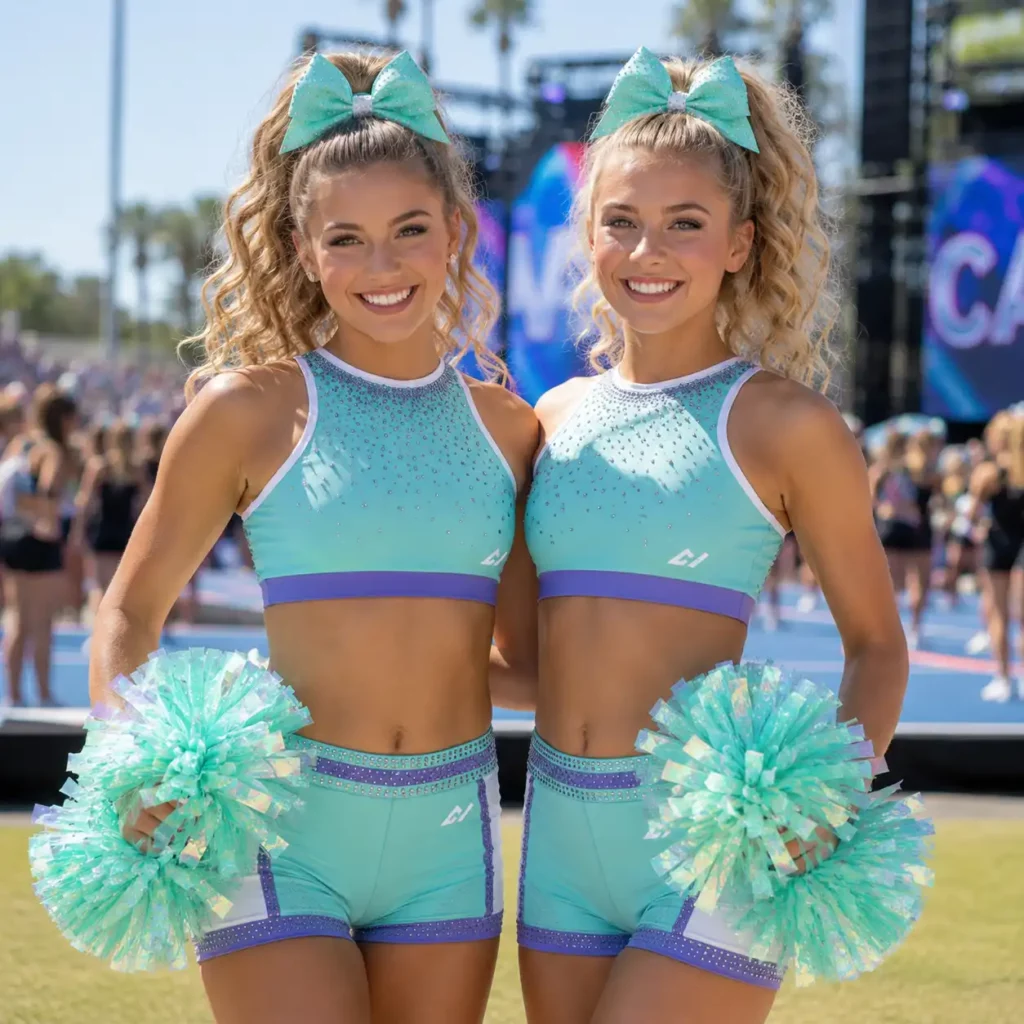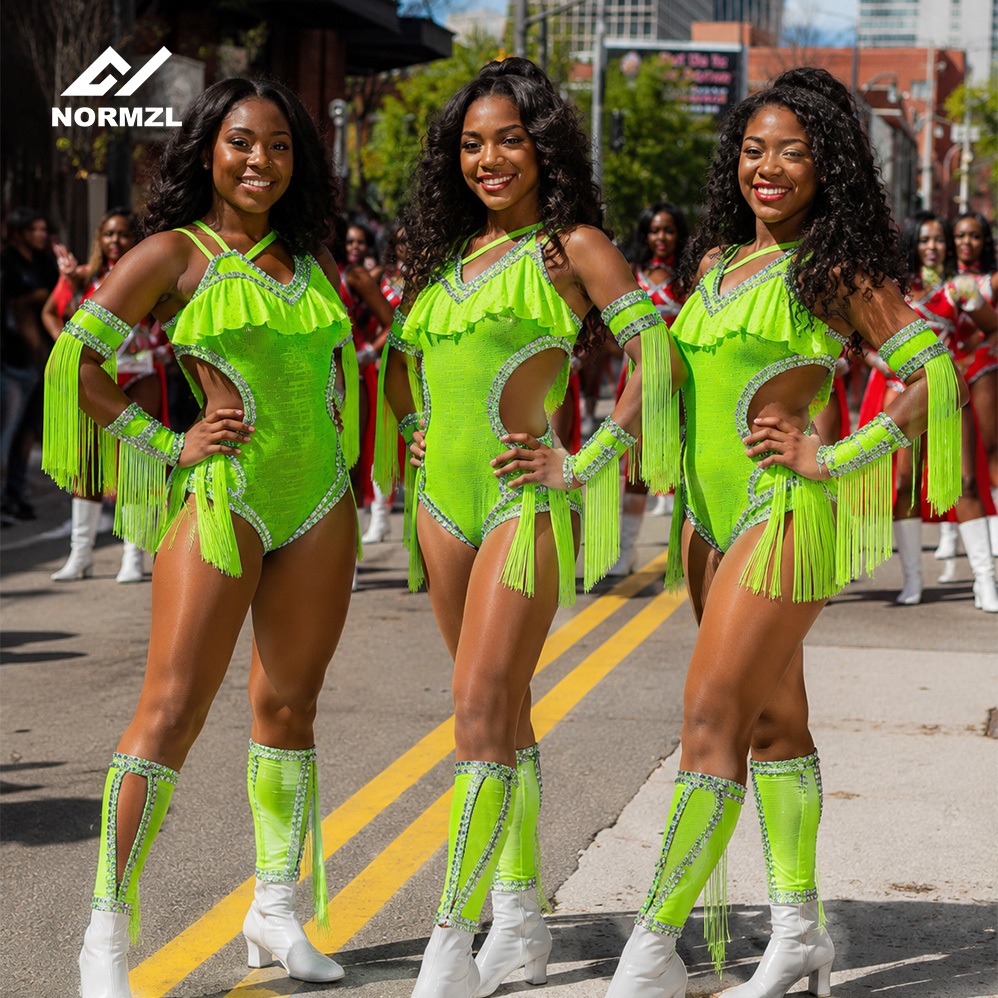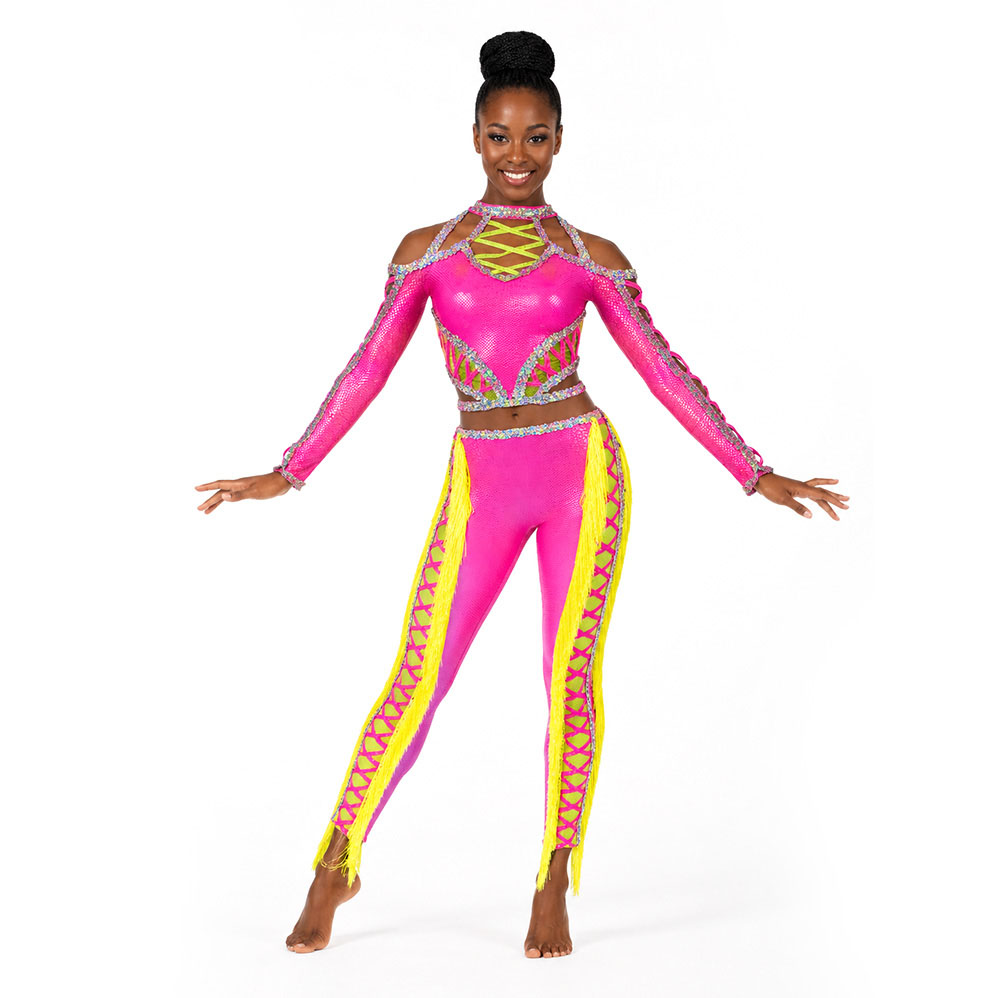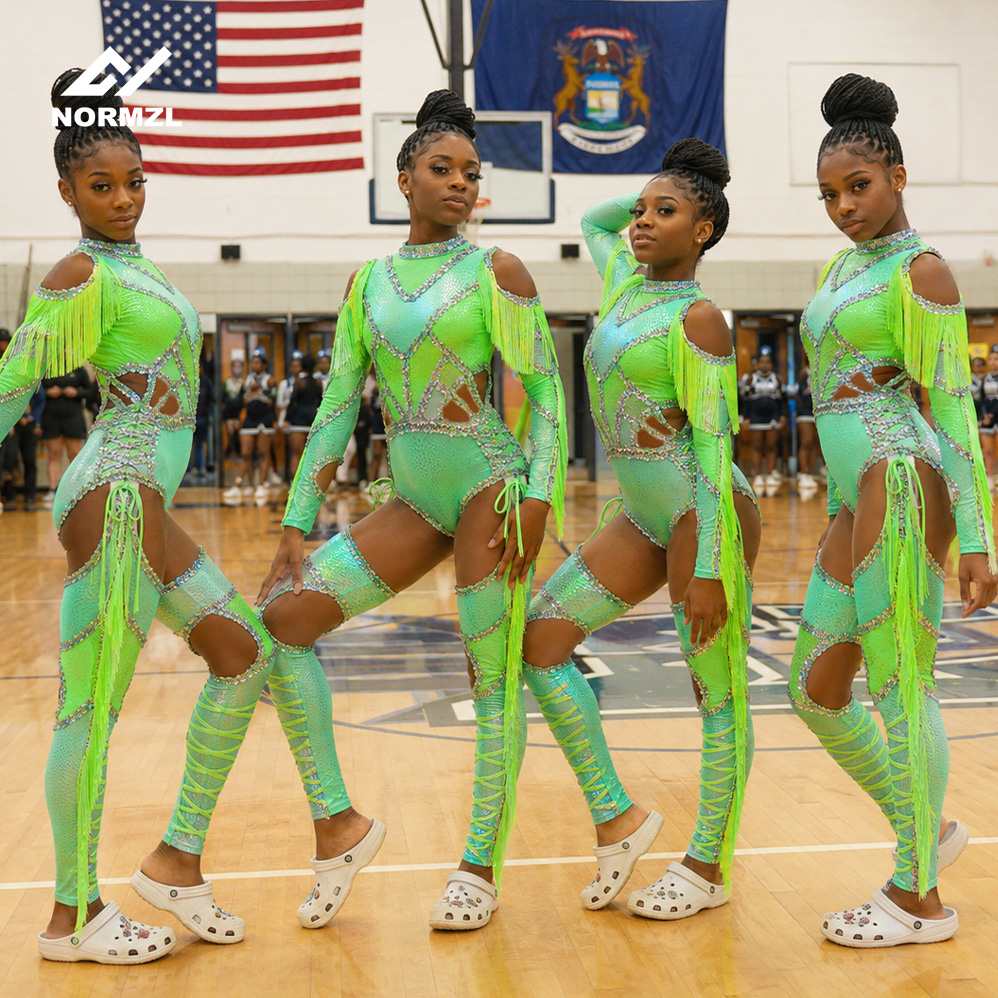





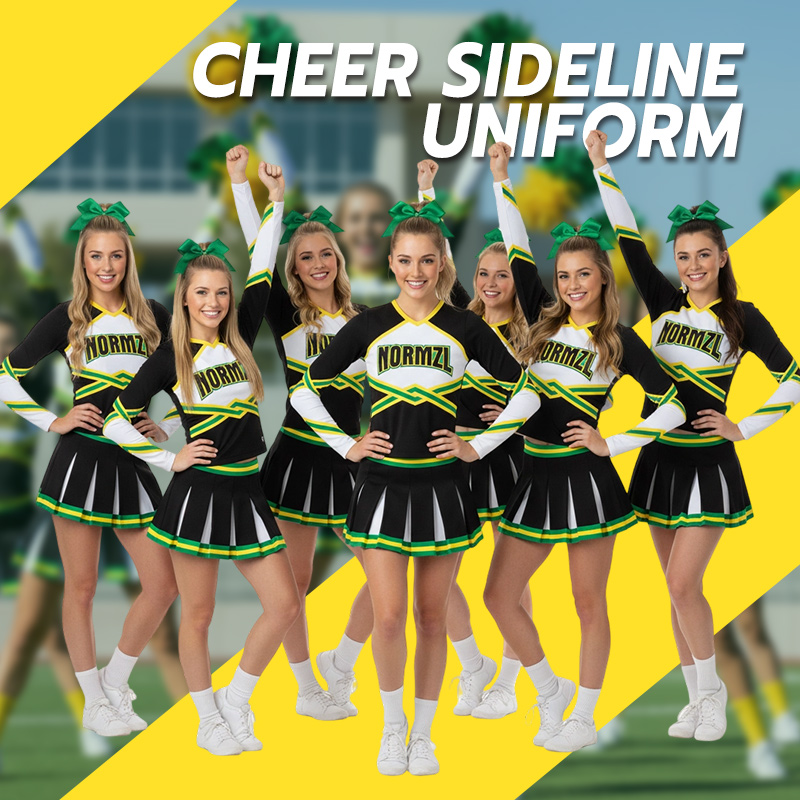

All Star cheer uniforms often fail in three areas: restricted movement during high-impact skills, poor durability after repeated competition use, and inconsistent visual performance under stage lighting. These issues can directly affect routine execution and overall team presentation.
This guide explains how to design and evaluate custom All Star cheer uniforms that solve these problems. You will learn how to balance performance, durability, and branding while choosing materials, construction details, and manufacturing partners that support long-term competition success.
Why Competition Teams Choose Custom All Star Cheer Uniforms
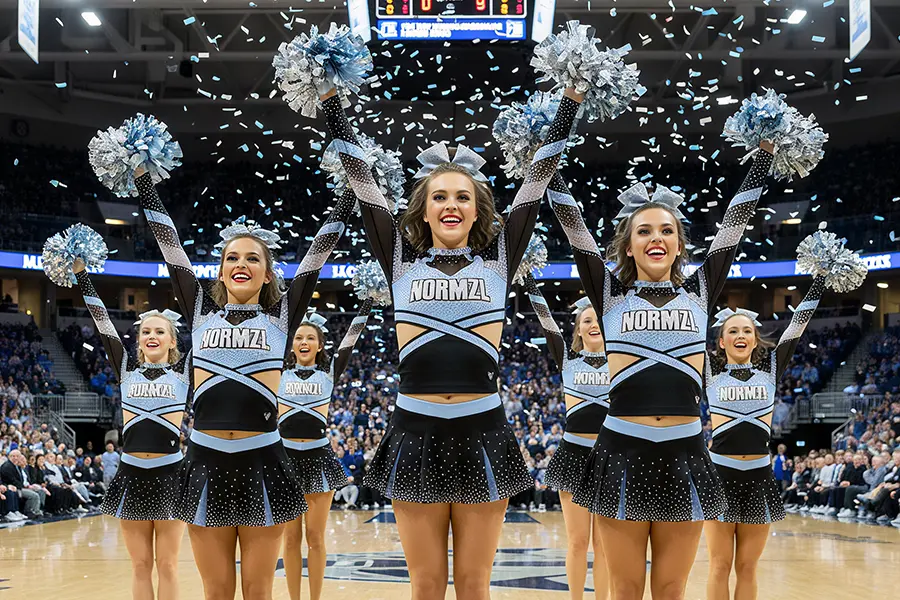
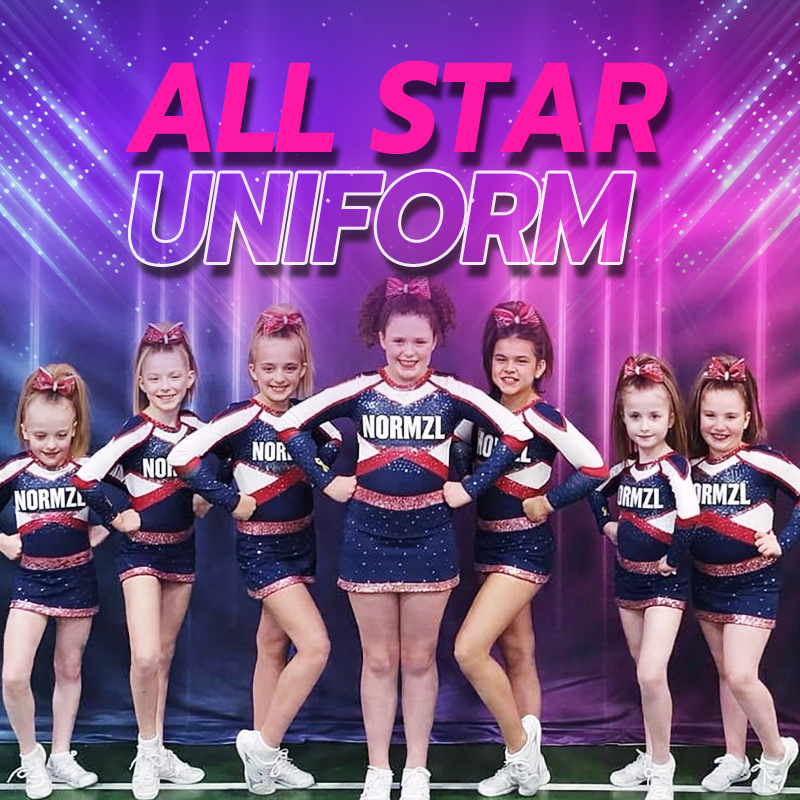
Competition teams choose custom All Star cheer uniforms because standard designs often fail under the physical and visual demands of high-level routines. Custom uniforms give programs control over fit, construction, and branding, helping maintain performance stability and consistent stage presence throughout the season.
Performance Demands Beyond Standard Cheerwear
All Star routines include tumbling, stunts, jumps, and fast transitions, which create continuous stress on every part of a uniform. Athletes need garments that move with the body, stay secure, and keep their shape after repeated use.
Polyester-spandex blends are widely used because they offer flexibility and strong recovery. However, real performance also depends on how the garment is built. Seam placement, panel structure, and reinforcement zones all affect stability under pressure.
Key performance priorities include:
- Elasticity: Allows the uniform to stretch and recover after repeated movement.
- Stability: Keeps seams and panels secure during stunts and tumbling.
- Lightweight Mobility: Supports full movement without unnecessary bulk.
Without these features, uniforms may shift, lose shape, or distract athletes during performance.
Stronger Team Branding and Visual Identity
Visual identity plays a major role in All Star performance. Judges, audiences, and livestream viewers evaluate not only execution but also how clearly a team presents itself on stage. Custom uniforms help create a consistent visual system across colors, logos, and design elements.
Key branding considerations include:
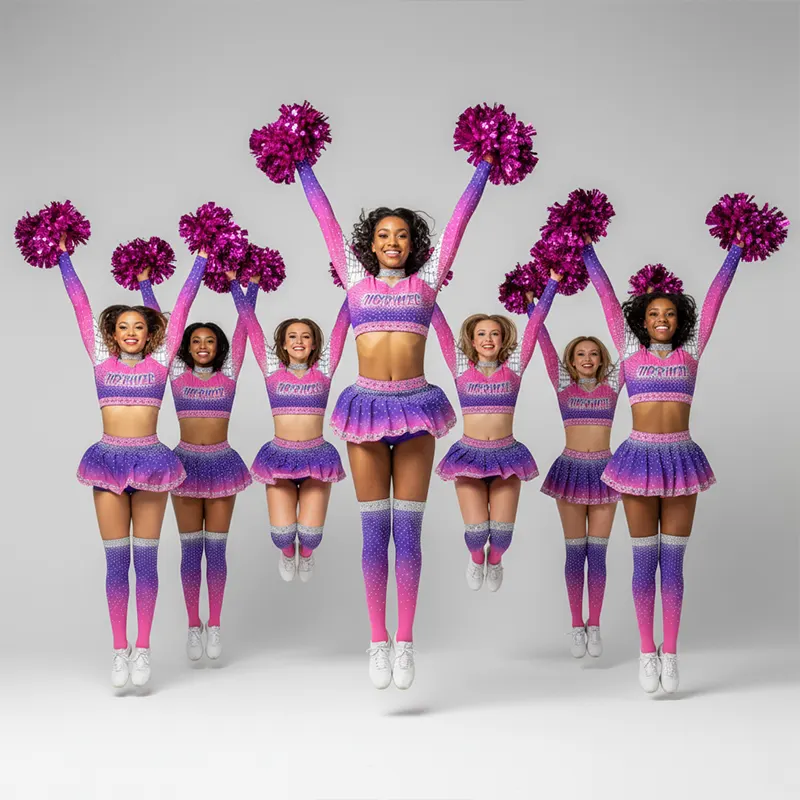
- Coordinated Colors: Team-specific palettes and gradients across all athletes.
- Logo Placement: Sublimation or appliqué used for clear and balanced visibility.
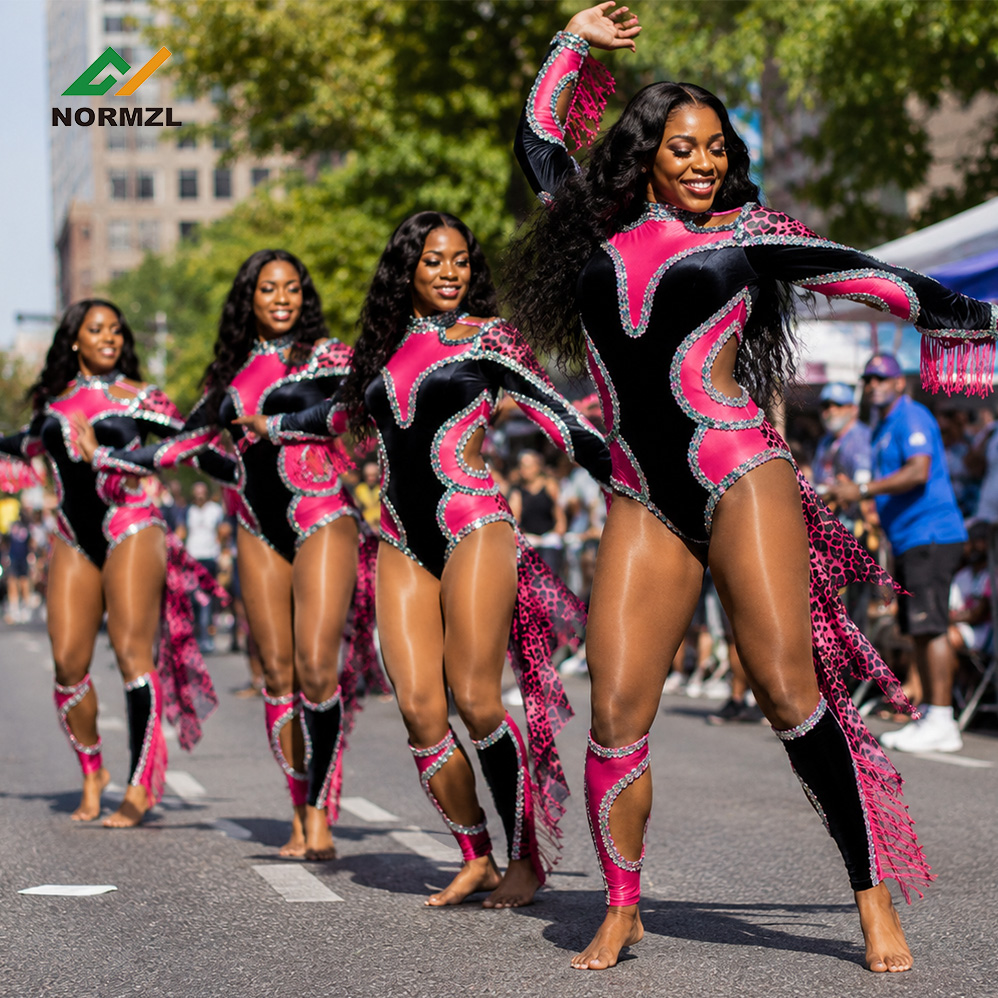
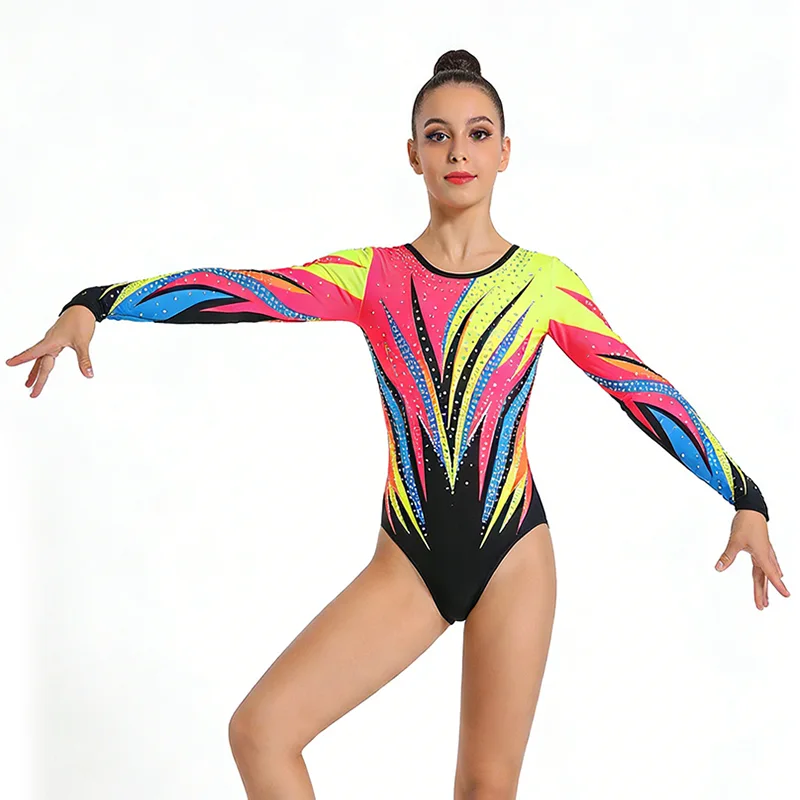
- Decorative Highlights: Rhinestones and metallic fabrics enhance stage presence under lighting.
When applied consistently, these elements strengthen team recognition across competitions, photography, and media coverage.
Program Planning, Sizing, and Long-Term Consistency
Producing custom uniforms requires structured planning, especially for programs managing multiple age groups, athlete changes, and future reorders.
Professional manufacturers use standardized measurement systems and controlled grading to ensure consistent fit across all athletes. Early coordination in design approval, sampling, sizing, and bulk production helps reduce delays and improve season readiness.
Storing patterns and material specifications also supports future reorders. This ensures color, fit, and decoration remain consistent across seasons, while reducing redesign costs and production variation.
Rhinestones, Metallic Fabrics, and Stage-Ready Design Elements
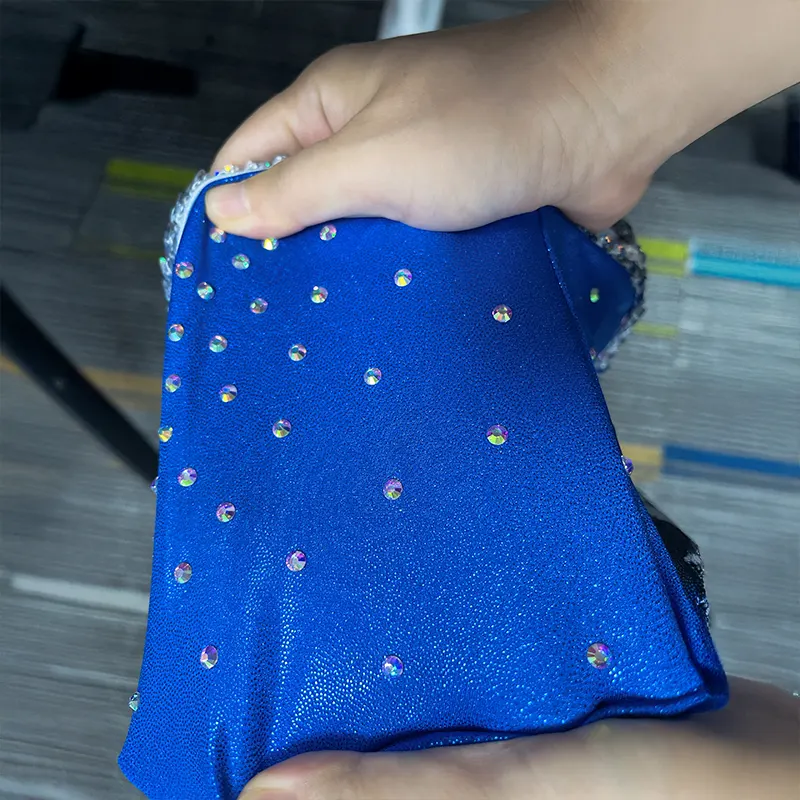
Modern All Star cheer uniforms use visual design elements to enhance stage presence under competition lighting. These decorations must balance appearance with durability, as uniforms face constant movement, stretching, and repeated washing.
Strategic Rhinestone Placement for Competition Visibility
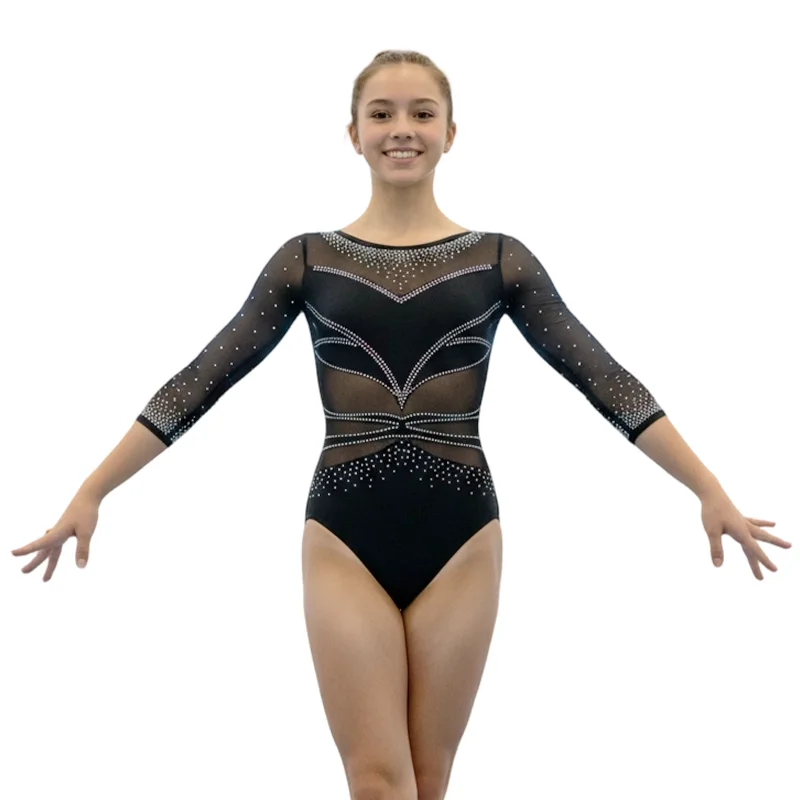
Rhinestones highlight movement and reflect light on the competition floor. Placement is more important than quantity to achieve a unified visual effect. Designers focus on logos, shoulders, sleeves, and torso lines to emphasize body alignment and synchronization.
- Crystal Stones: Deliver strong, clean reflection for clear visibility.
- AB Rhinestones: Sparkle from multiple angles under changing lighting.
- Colored Stones: Support consistent team branding and color identity.
Balanced spacing and symmetry are essential. Even minor misalignment can be noticeable during synchronized routines and photography.
Metallic, Holographic, and Reflective Fabrics
Metallic and holographic fabrics create high-contrast visuals, often applied to sleeves, waistbands, shoulder panels, and trims to amplify movement effects.
Key considerations for durability:
- Foil Quality: Ensures resistance to cracking and color fading.
- Panel Placement: Avoids high-stress areas such as underarms or tight seams.
- Stretch Compatibility: Maintains shape during extreme movement.
- Heat Resistance: Prevents material distortion during washing or hot conditions.
When applied correctly, these fabrics maintain both visual impact and longevity throughout the season.
Mesh Panels, Sublimation, and Layered Design
Modern uniforms often integrate illusion mesh, sublimation printing, and layered panels to combine aesthetics with performance.
- Illusion Mesh: Provides cutout-style designs while maintaining coverage compliance.
- Sublimation Printing: Embeds colors, gradients, and logos directly into fabric for lightweight, peel-resistant designs.
- Layered Paneling: Adds depth, improves movement balance, and reinforces team identity.
These techniques keep uniforms lightweight, durable, and visually consistent across an entire competition season, ensuring strong team branding in live performances and media exposure.
Get Champion-Quality Custom Team Uniforms
Stretch, Security, and Athlete Mobility in High-Impact Routines
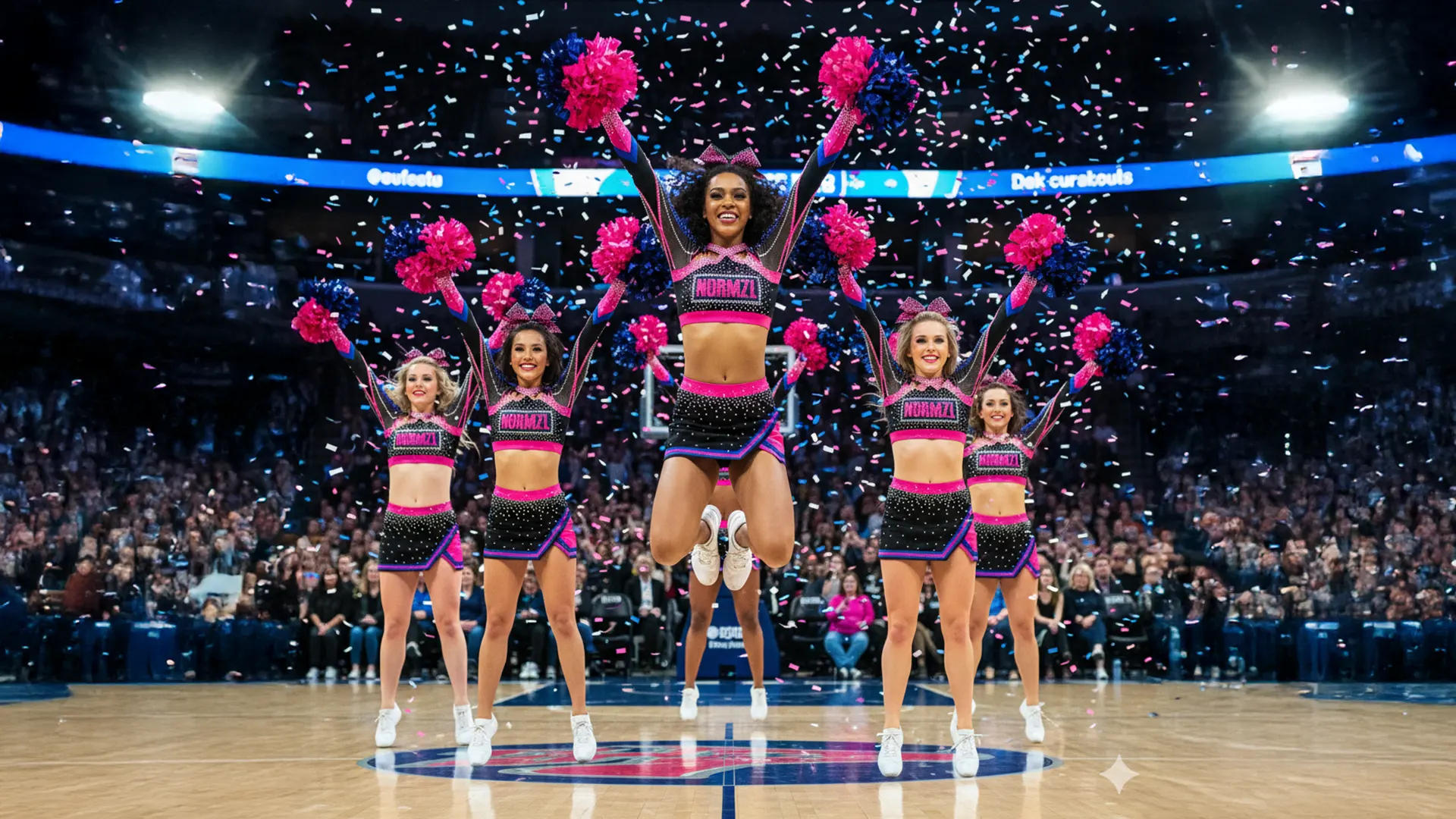
High-level All Star cheer routines require uniforms that support fast, extreme movements while maintaining stability and comfort. The design must balance flexibility, secure structure, and coverage consistency so athletes can focus fully on performance.
Four-Way Stretch and Compression Support
Four-way stretch fabrics are essential in All Star cheer uniforms because they allow movement in both horizontal and vertical directions. This is critical for tumbling, jumps, and stunts, where the body constantly shifts between extended and compressed positions.
Most uniforms use polyester-spandex blends due to their combination of elasticity, durability, and shape recovery. The fabric moves with the athlete and quickly returns to its original fit, helping maintain a clean silhouette during performance.
Compression design adds additional support by keeping the uniform close to the body. This reduces shifting and improves stability during high-intensity routines.
Key performance functions include:
- Mobility Support: Enables full-range movement during stunts and tumbling.
- Shape Recovery: Maintains fit after repeated stretching.
- Muscle Stability: Improves secure and supported feel during skills.
- Moisture Control: Enhances comfort during long competition sessions.
Secure Construction for Dynamic Skills
Stretch fabric alone is not enough for competition-level performance. High-impact routines require reinforced construction to handle repeated stress from lifts, jumps, and partner stunts.
Manufacturers reinforce key zones such as shoulders, waist seams, and side panels to reduce the risk of damage. Many designs also use integrated shorts and reinforced waistbands to improve stability during movement.
This construction helps prevent common issues such as seam separation, waistband rolling, and fabric shifting. As a result, athletes can focus on execution without adjusting their uniforms during performance.
Coverage Stability and Performance Comfort
Coverage stability is essential in All Star cheer because athletes frequently perform inverted positions, high jumps, and full-body extensions. Uniform design must keep necklines, torso length, and skirt positioning secure under all movements.
Comfort is equally important. Athletes perform under intense physical demand and strong arena lighting, so breathable construction helps regulate heat and moisture during long competition days.
By balancing compression with airflow, manufacturers create uniforms that remain secure, comfortable, and performance-ready throughout training and competition.
Precision Manufacturing for Complex Competition Uniform Designs
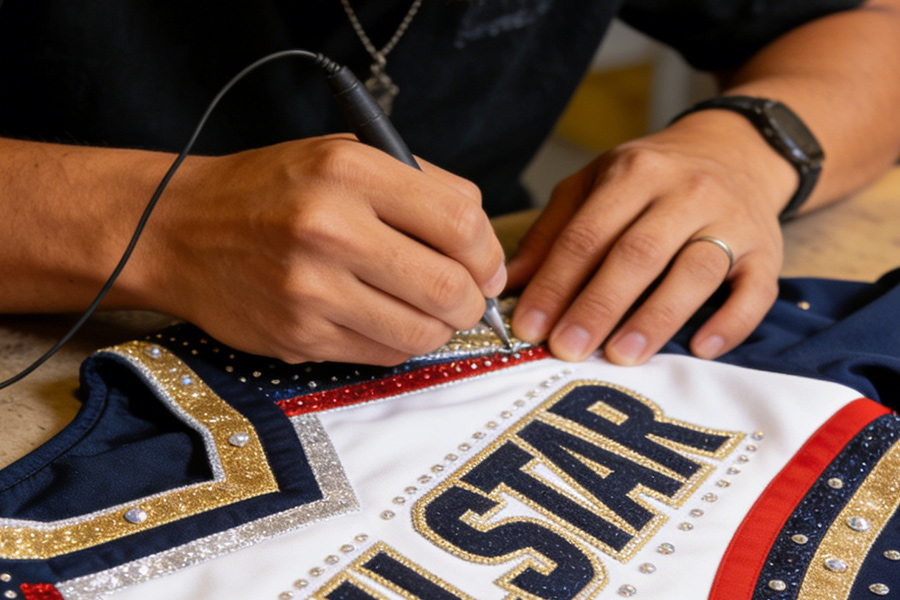
Creating complex All Star competition uniforms requires precision at every stage to ensure symmetry, accurate fit, and consistent decoration across all sizes. Manufacturers must combine advanced cutting, precise decoration control, and strict quality inspection to meet competition-level standards.
Precision Cutting for Symmetry and Fit Accuracy
Manufacturers use laser cutting and digital pattern engineering to achieve accurate panel alignment and consistent proportions. This level of precision is especially important for asymmetrical designs, mesh inserts, and multi-material constructions.
Even small cutting errors can affect both visual balance and athlete comfort. Digital grading systems help maintain symmetry across youth and adult sizes, ensuring uniforms look consistent in group formations and synchronized routines.
Decoration Application and Alignment Control
Decorations such as rhinestones, logos, and sublimated graphics must be placed with high accuracy to support stage presence and brand identity.
Manufacturers use digital templates and positioning systems to control alignment, spacing, and symmetry. This ensures every uniform matches the original design without deviation.
Consistent decoration control helps prevent visual inconsistencies during performances and improves clarity under arena lighting and photography.
Fabric Compatibility and Quality Control Systems
Different fabrics respond differently to stretch, heat, and decoration weight. Manufacturers must balance material selection and decoration density to avoid distortion or performance issues.
Quality control checks are applied throughout production to ensure stability and consistency.
Common risk areas include:
- Fabric Puckering: Prevents surface wrinkles and uneven tension.
- Decoration Lifting: Ensures rhinestones and appliqués remain secure.
- Color Consistency: Maintains uniform tone across all garments.
- Panel Alignment: Ensures symmetry in multi-panel construction.
By combining precise cutting, controlled decoration placement, and strict inspection systems, manufacturers ensure uniforms remain durable, consistent, and competition-ready across all athlete sizes and seasons.s in low-flex zones to maintain the athlete’s full range of motion.
How to Evaluate an All Star Cheer Uniform Manufacturer
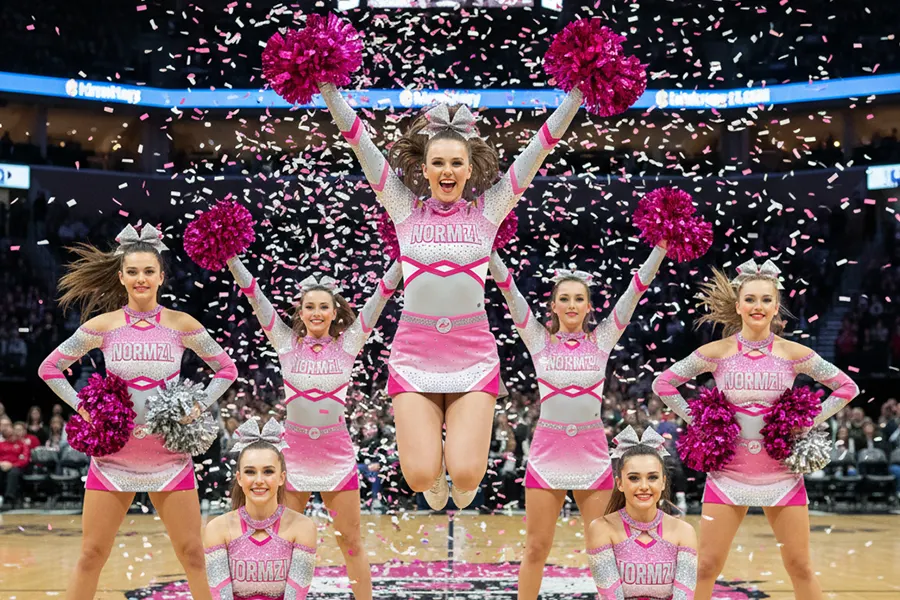
Choosing the right manufacturer affects more than visual design. It directly impacts durability, fit accuracy, decoration stability, and long-term production consistency. A structured evaluation process helps programs reduce risk and maintain stable performance across an entire competition season.
Manufacturer Evaluation Criteria Overview
| Evaluation Area | What to Check | Why It Matters |
|---|---|---|
| Cheer-Specific Experience | Evaluate experience in stretch fabrics, rhinestone application, sublimation, and competition uniform production | Ensures understanding of mobility, durability, and performance needs |
| Sampling & Material Testing | Evaluate fabric swatches, color samples, and physical prototypes | Reduces production errors before bulk manufacturing |
| Production Reliability | Review lead times, QC systems, and communication processes | Ensures stable delivery during competition season |
| Long-Term Support | Check reorder consistency, sizing stability, and replacement capability | Maintains uniform consistency across multiple seasons |
Why Normzl Fits Complex All Star Custom Orders
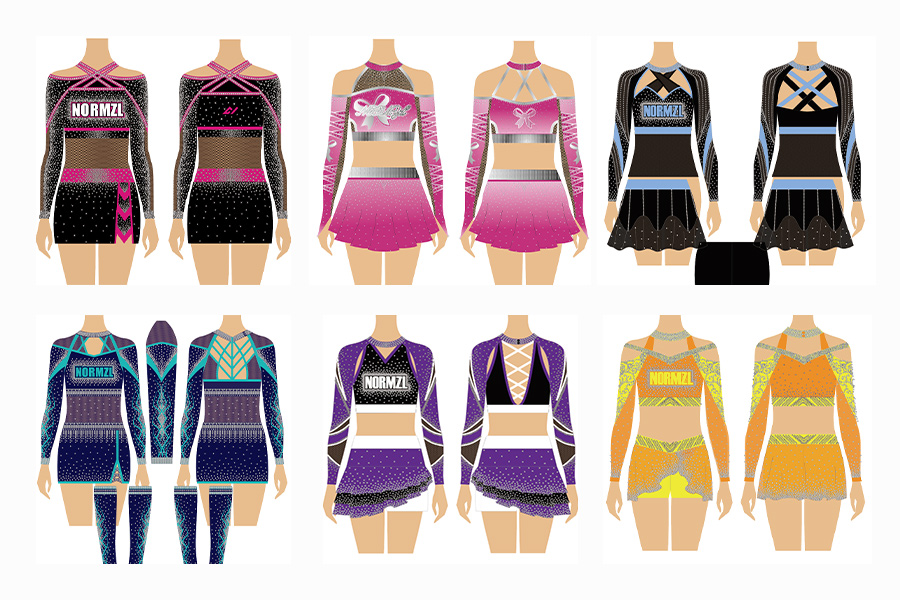
Complex All Star cheer uniforms demand a manufacturing partner who understands both high-performance construction and advanced visual design. Normzl combines specialized experience, technical expertise, and scalable production systems to meet the needs of competitive cheer programs.
Cheer-Focused Manufacturing and Custom Support
Normzl specializes in custom cheerleading and performance teamwear production. Our Custom system, integrated into our All-Star Elite Solution, allows full customization of logos, cuts, fabrics, and decoration layouts tailored to competition teams.
We focus on the unique balance between athlete mobility, visual impact, and long-term durability. This ensures that every uniform supports high-intensity routines while maintaining a professional and consistent appearance.
Advanced Decoration and Performance Fabric Capability
Our production system accommodates rhinestones, metallic fabrics, sublimation graphics, mesh panels, layered decoration structures, and sustainable materials. At the same time, we ensure stretch stability and fit consistency across all sizes.
We carefully select performance fabrics, including sustainable materials, to deliver strong stretch recovery, secure decoration support, effective moisture management, and long-term durability under repeated use. By combining these factors, teams can achieve bold visual designs without compromising athlete comfort, freedom of movement, or environmental responsibility.
Scalable Production with Consistent Quality
Normzl supports full competition programs, including multiple team levels and a wide range of sizes. Our quality control process emphasizes decoration alignment, seam stability, color consistency, and fit accuracy across every uniform.
We also facilitate repeat production and replacement orders, helping programs maintain long-term uniform consistency across multiple seasons. This scalable approach ensures that teams can grow and evolve without sacrificing performance or appearance.
Frequently Asked Questions
How are All Star cheer uniforms different from school uniforms?
All Star uniforms are built for high-intensity competition, featuring athletic fits, high-stretch fabrics like spandex, and significant embellishments like rhinestones. School uniforms are more traditional, often made of durable polyester, and designed for sideline use with a focus on school branding and modesty.
What fabrics are used for All Star cheer uniforms?
The primary fabrics are high-performance polyester-spandex or nylon-spandex blends that offer four-way stretch and moisture management. For visual impact, designs often incorporate specialty materials like metallic, holographic, and mesh fabrics as accents.
How much do custom All Star cheer uniforms cost?
A custom All Star cheer uniform set (top and bottom) typically costs between $150 and $500+ per athlete. The final price is influenced by design complexity, material choices, order quantity, and the level of embellishment, especially the number of rhinestones.
Final Thoughts
Custom All Star cheer uniforms must balance mobility, durability, visual impact, and long-term consistency. Strong materials, secure construction, and precise decoration systems ensure reliable performance throughout the competition season.
Choosing the right manufacturer is key for programs developing custom All Star cheer uniforms. A stable production process reduces sizing and decoration issues while improving consistency across teams. At Normzl, we support design, sampling, and material testing to help teams achieve dependable results. Early consultation is recommended to ensure smooth development from concept to final production.