



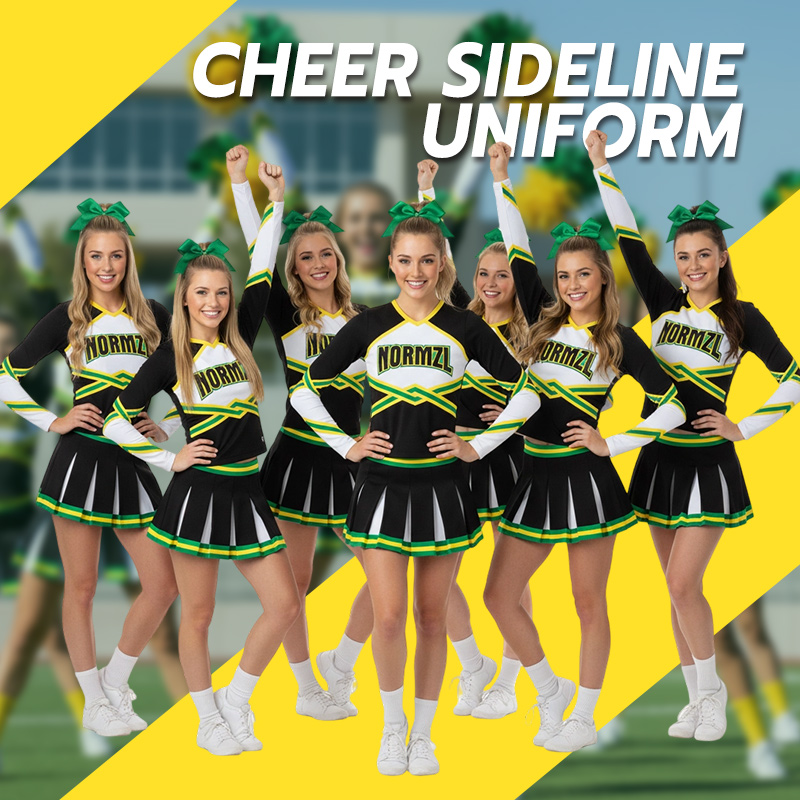

Ordering custom cheer uniforms for a team can quickly become expensive when sizing mistakes appear after production. A few incorrect measurements may lead to poor fit, athlete complaints, replacement costs, and delays that disrupt competition schedules. For coaches, program directors, and apparel buyers, accurate sizing is often one of the most important parts of the entire ordering process.
A reliable cheer uniform size chart is only one part of achieving a better fit. Teams also need to understand which measurements drive garment sizing, how different uniform styles affect fit outcomes, and how to verify sizing before bulk production begins. By following a structured sizing process, programs can reduce ordering risks, improve athlete comfort, and achieve more consistent results across the entire team.
Cheer Uniform Size Chart: What Measurements Matter Most
Accurate sizing starts with the right measurements. While some teams use height and weight as references, custom cheer uniform production depends on specific body dimensions that directly affect garment fit. Understanding these measurements helps create a more reliable sizing foundation before production begins.
Core Measurements That Define Base Fit (Bust, Waist, Hips, Girth)
Every cheer uniform size chart is built around four core measurements: bust, waist, hips, and girth. Together, they determine the base size for most uniform categories.
| Measurement | Primary Function | Common Garments Affected |
|---|---|---|
| Bust | Determines upper-body fit | Shells, crop tops, bodyliners |
| Waist | Controls garment positioning | Skirts, shorts, high-waist styles |
| Hips | Supports lower-body fit and mobility | Skirts, briefs, leggings |
| Girth | Determines vertical body length | One-piece uniforms, fitted competition styles |
Among these measurements, girth is often overlooked. However, for one-piece uniforms and fitted competition designs, it can have a greater impact on comfort and mobility than bust or waist measurements alone.
Length-Based Measurements for Full Uniform Balance (Torso, Skirt, Inseam)
After the base size is established, length measurements help refine overall fit and appearance. While circumference measurements determine size, length measurements influence coverage, proportion, and visual consistency.
For example, skirt length affects appearance and program requirements, while inseam measurements help ensure proper fit for warmup pants and men’s cheer apparel. These details become especially important when teams request custom sizing rather than standard production specifications.
How Different Garment Types Depend on Different Key Data Points
Not every measurement carries the same importance across all uniform categories. Different garments rely on different sizing priorities.
- Competition Tops: Usually depend most on bust measurements.
- Cheer Skirts: Primarily rely on waist and hip measurements.
- One-Piece Uniforms: Depend heavily on accurate girth measurements.
- Warmup Pants: Require waist and inseam measurements for proper fit.
Understanding these priorities helps teams communicate more effectively with manufacturers and make more accurate sizing decisions before bulk production.
How to Measure Bust, Waist, Hips, Torso, and Inseam Accurately
Even the most detailed cheer uniform size chart cannot produce accurate results if measurements are collected inconsistently. A standardized measuring process helps teams reduce errors, improve fit accuracy, and build reliable size data before production begins.
Standard Measurement Protocol for Cheer Programs
Accurate sizing starts with consistency. Athletes should wear fitted practice apparel and stand naturally while measurements are taken. The tape measure should remain level and snug without pulling too tightly.
For team orders, assigning one or two trained individuals to measure every athlete helps minimize variation and creates more dependable sizing data for production.
Step-by-Step Guide for Each Core Measurement
The following measurements form the foundation of most custom cheer uniform orders.
| Measurement | How to Measure | Why It Matters |
|---|---|---|
| Bust | Measure around the fullest part of the chest. | Determines fit for tops and shells. |
| Waist | Measure around the natural waistline. | Controls skirt and bottom fit. |
| Hips | Measure around the fullest part of the hips. | Supports mobility and comfort. |
| Girth | Measure from one shoulder, through the crotch, and back. | Determines torso fit in one-piece styles. |
| Inseam | Measure down the inside leg from the crotch. | Ensures proper pant length. |
Record each measurement immediately after it is taken. This simple step helps prevent missing data and transcription mistakes.
Ensuring Consistency Across Teams and Multiple Measurers
Large team orders often involve dozens of athletes, so consistency becomes just as important as measurement accuracy. Small differences can quickly turn into noticeable fit variations across an entire program.
To improve measurement quality:
- Single Standard: Use the same measuring method for every athlete.
- Unified Equipment: Use the same tape measure throughout the process.
- Centralized Records: Store all measurements in one spreadsheet.
- Data Verification: Double-check unusual values before submission.
A consistent measuring process gives manufacturers cleaner data, improves size selection accuracy, and helps reduce fit-related issues during bulk production.
Fully Custom Teamwear, Designed For Champions
Youth, Adult, and Transitional Sizes in Cheer Uniforms
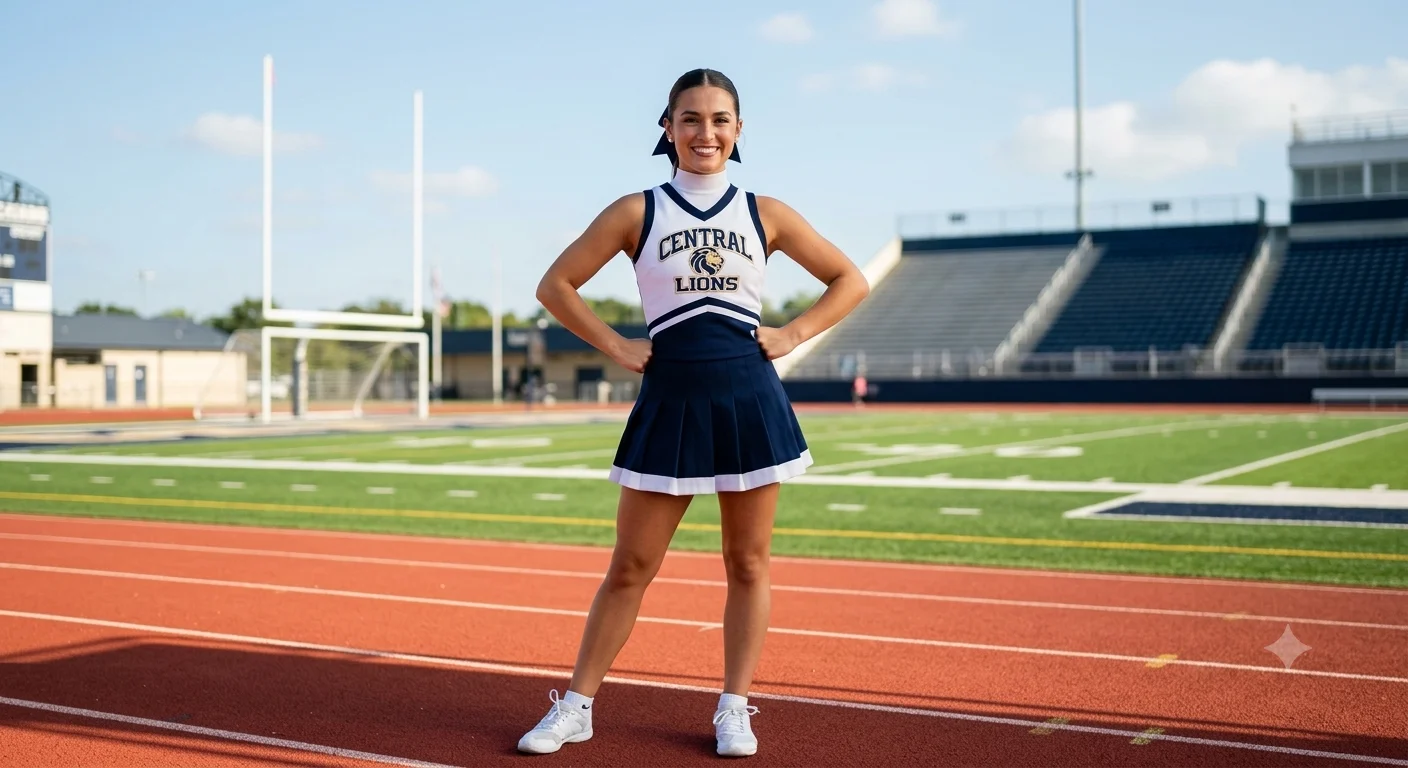
One of the most common sizing mistakes occurs when teams assume that youth and adult sizes differ only in overall dimensions. In reality, they use different pattern structures. Understanding these size systems helps teams make more accurate sizing decisions before production begins.
Structural Differences Between Youth and Adult Body Blocks
Youth and adult cheer uniform sizes are built around different body proportions rather than simple size scaling.
| Sizing System | Typical Body Characteristics | Pattern Focus |
|---|---|---|
| Youth | Shorter torso, narrower frame | Straight body proportions |
| Adult | Longer torso, more developed body shape | Greater contour and shaping |
Because the underlying pattern changes, two athletes with similar measurements may fit differently in youth and adult sizes. Choosing the correct size category is often just as important as choosing the correct size.
Why “In-Between Sizes” Create Fitting Complexity
Many athletes fall between the largest youth size and the smallest adult size. This overlap zone creates one of the most common fitting challenges in custom cheer uniforms.
An athlete may need the width of an adult garment but the torso length of a youth pattern, or fit comfortably through the shoulders while requiring more room in the bust or hips. In these situations, simply sizing up or down does not always produce the best result.
Common factors that influence transitional sizing include:
- Torso Length: Longer body proportions often align better with adult patterns.
- Shoulder Structure: Shoulder width can affect garment balance and mobility.
- Body Development: Bust and hip proportions may require adult shaping.
- Uniform Style: Fitted competition uniforms usually demand more precise sizing than sideline apparel.
For athletes in this overlap zone, pattern structure often matters more than the size label itself.
How to Select the Correct Size Category for Each Athlete
The most reliable approach is to use actual body measurements rather than age or grade level. Many middle school athletes wear adult sizes, while some high school athletes continue to fit youth patterns.
When measurements fall between categories, fit kits and sample garments provide the most accurate way to confirm sizing. Testing actual garments allows teams to evaluate comfort, mobility, and overall proportion before production, reducing uncertainty and helping ensure a better final fit.
How Fabric Stretch and Uniform Design Affect Final Fit
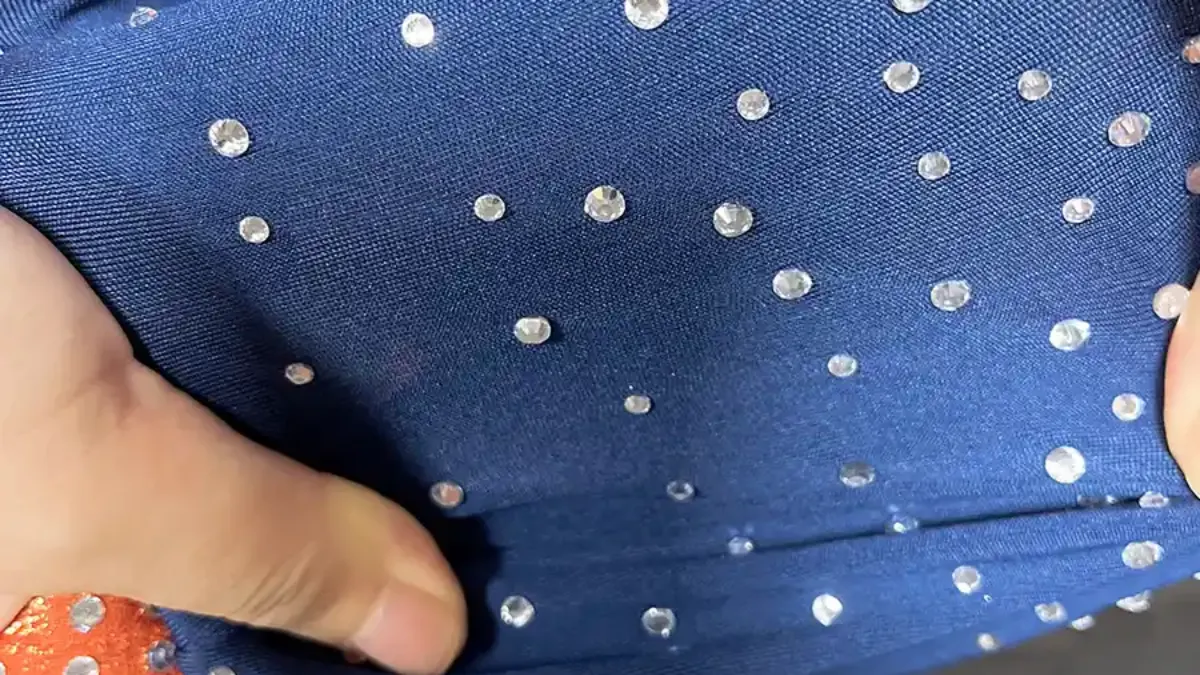
Accurate measurements provide the foundation for sizing, but they do not determine the final fit alone. Fabric stretch and garment design also influence how a uniform performs once it is worn. As a result, two uniforms made from the same measurements can fit very differently.
High-Stretch vs Low-Stretch Fabric Behavior in Fit Outcome
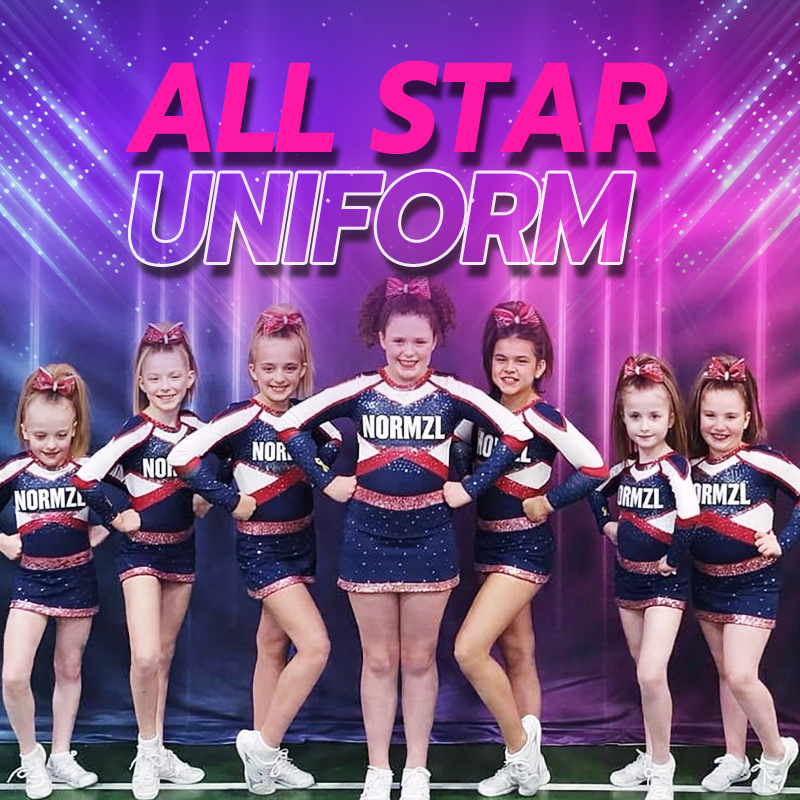
Fabric stretch affects how closely a uniform follows the body. High-stretch performance fabrics, commonly used in All Star uniforms, allow a more fitted silhouette while maintaining freedom of movement. Low-stretch materials rely more on garment construction and often require additional ease.
Because of this difference, the same size may feel secure in a competition uniform but tighter in a sideline garment. Understanding fabric behavior helps teams interpret a cheer uniform size chart more accurately.
You may be interested in: Custom All Star Cheer Uniforms Guide for Competition Teams
How Uniform Style Changes Measurement Priority
Different uniform styles rely on different measurements during size evaluation.
| Garment Type | Primary Measurements | Fit Focus |
|---|---|---|
| Competition Tops | Bust, Girth | Mobility and stability |
| Traditional Shells | Bust | Upper-body comfort |
| Cheer Skirts | Waist, Hips | Balance and movement |
| One-Piece Uniforms | Girth, Torso Length | Vertical fit control |
Since each garment interacts with the body differently, manufacturers often prioritize different measurements when assigning sizes.
Why the Same Athlete May Require Different Sizes Across Styles
It is common for athletes to wear different sizes across uniform categories. A fitted competition top, a cheer skirt, and a warmup jacket are designed for different purposes and therefore follow different fit standards.
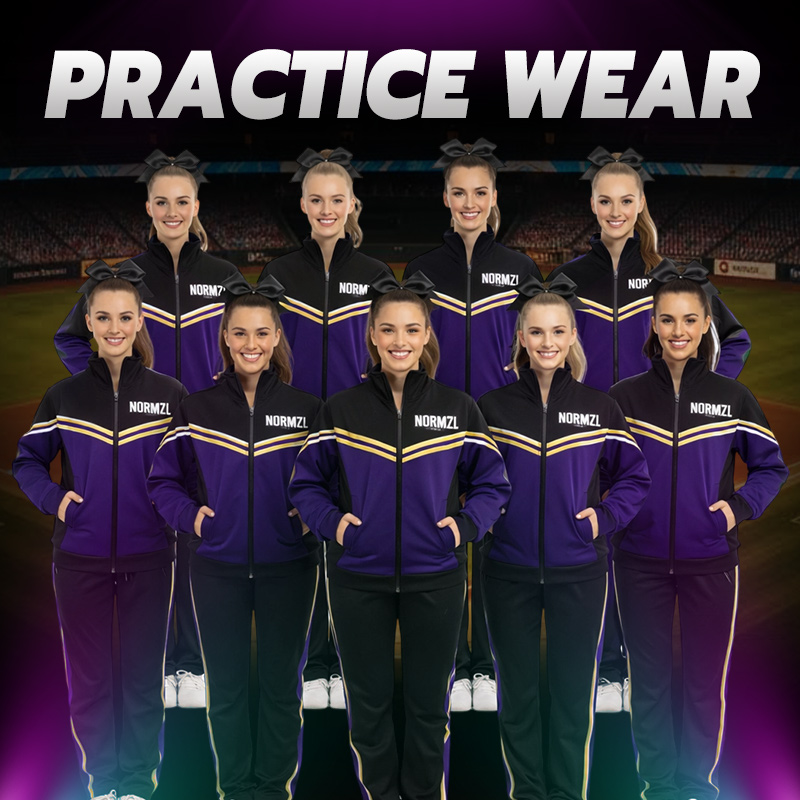
For example, competition apparel usually fits closer to the body, while warmups include additional room for layering. Understanding these differences helps teams make better sizing decisions and avoid confusion when reviewing custom uniform recommendations.
How to Reduce Sizing Risk Before Bulk Production
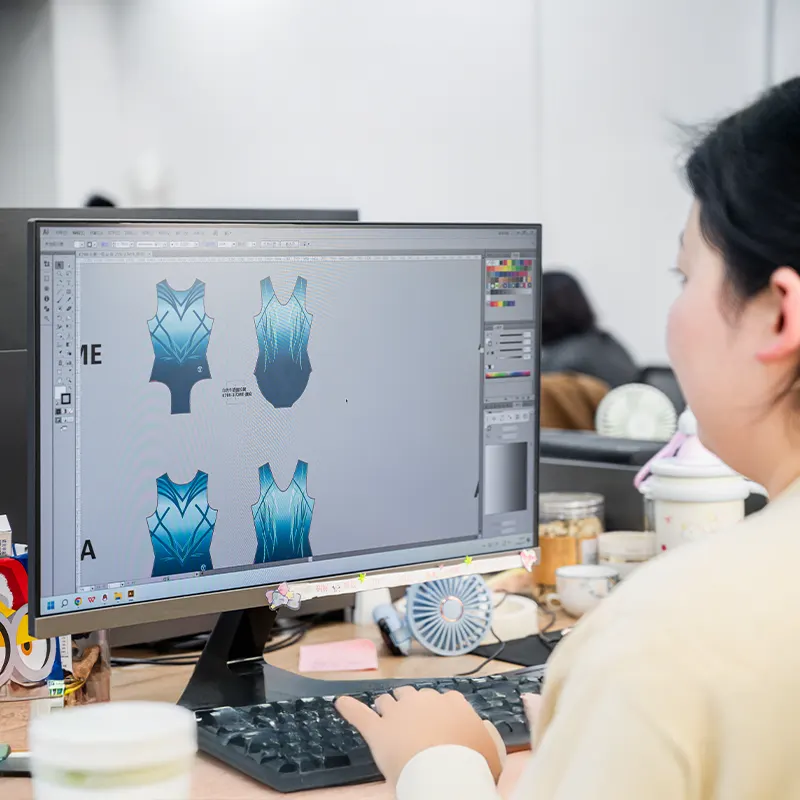
Accurate measurements provide a strong starting point, but successful team orders require additional validation before manufacturing begins. By combining size verification, sample testing, and data control, programs can reduce costly sizing mistakes and improve production accuracy.
Fit Kits and Real Try-On Validation
A fit kit helps teams verify size selections before placing a bulk order. While measurement charts provide guidance, they cannot fully predict how a uniform will feel on different body types.
During a fitting session, athletes can evaluate comfort, mobility, and overall fit in actual garments. This process often identifies issues such as sizing preferences, torso length concerns, or style-specific adjustments that measurements alone may not reveal.
For large programs, fit kits provide one of the most effective ways to improve sizing accuracy before production begins.
Pre-Production Sample Testing for Final Approval
Once sizing is confirmed, a pre-production sample allows teams to evaluate the actual uniform before approving mass production. At this stage, the focus shifts from size validation to product validation.
Teams can review key details such as fabric performance, decoration placement, garment proportions, and overall appearance. More importantly, athletes can test the sample during jumps, stunts, and other cheer movements to confirm that the uniform performs as expected in real conditions.
This additional review step helps identify potential issues before they affect an entire production run.
Size Data Control and Production Sign-Off Workflow
Even accurate measurements can create problems if data management is inconsistent. For this reason, many successful programs use a structured approval process before manufacturing starts.
Common best practices include:
- Centralized Records: Store all measurements and approved sizes in a single master spreadsheet.
- Data Verification: Review unusual measurements and confirm sizing decisions before submission.
- Final Approval: Record approved sizes and prevent unnecessary changes once production is scheduled.
- Single Contact Point: Assign one coordinator to communicate directly with the manufacturer.
A clear workflow reduces confusion, improves communication, and creates a reliable record throughout the ordering process.
Frequently Asked Questions
What is the most important measurement for cheer uniforms?
The most important measurement depends on the garment type. Bust measurements are critical for tops and shells, while waist and hips primarily determine skirt sizing. For one-piece cheer uniforms, girth is often the most important measurement because it controls overall torso fit and movement comfort.
How do I choose between youth and adult cheer uniform sizes?
The best approach is to compare body measurements against the supplier’s size chart rather than relying on age or grade level. Youth and adult uniforms use different pattern structures, so athletes with similar measurements may fit differently depending on torso length, body proportions, and uniform style.
What should I do if an athlete falls between two sizes?
When an athlete falls between two sizes, the final decision should consider fabric stretch, uniform style, and fit preference rather than measurements alone. Fit kits and sample garments are often the most reliable way to determine which size provides the best balance of comfort, mobility, and appearance.
Why do custom cheer uniforms still require fit samples?
Fit samples help verify how measurements translate into actual garments. They allow teams to evaluate comfort, movement, fabric behavior, and overall appearance before bulk production, reducing the risk of sizing issues and costly remakes.
Final Thoughts
A Cheer Uniform Size Chart is an important starting point, but successful sizing depends on more than chart matching alone. When teams combine accurate measurements with proper fit evaluation, they can achieve better comfort, stronger performance, and more consistent results across the entire roster.
For programs investing in custom cheer uniforms, reducing sizing risk before production can save both time and cost. At Normzl, we help teams validate sizing through fit recommendations, sample development, and production support, making it easier to create uniforms that fit correctly and perform consistently throughout the season.