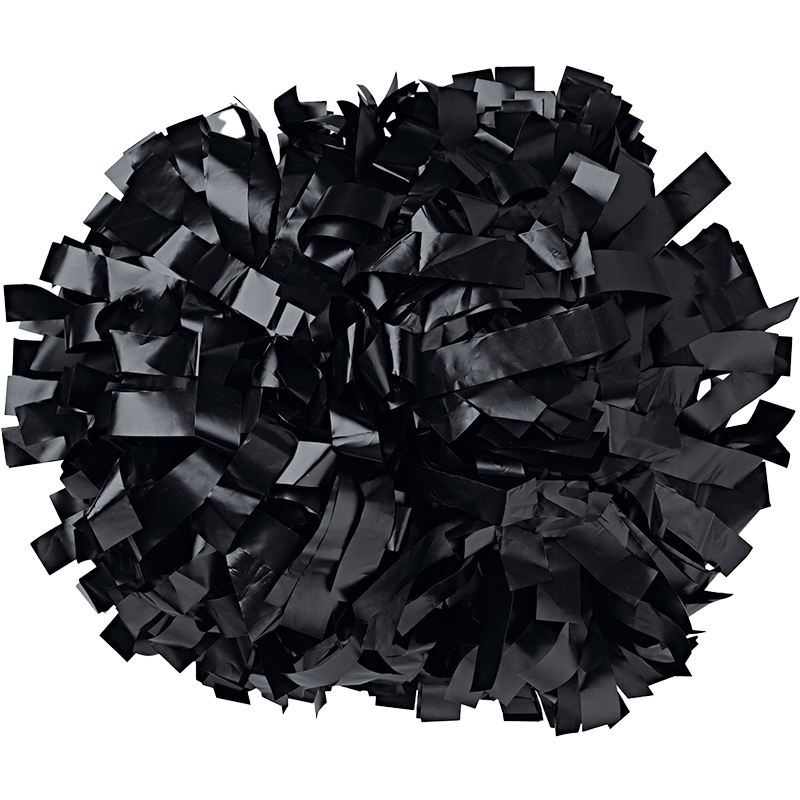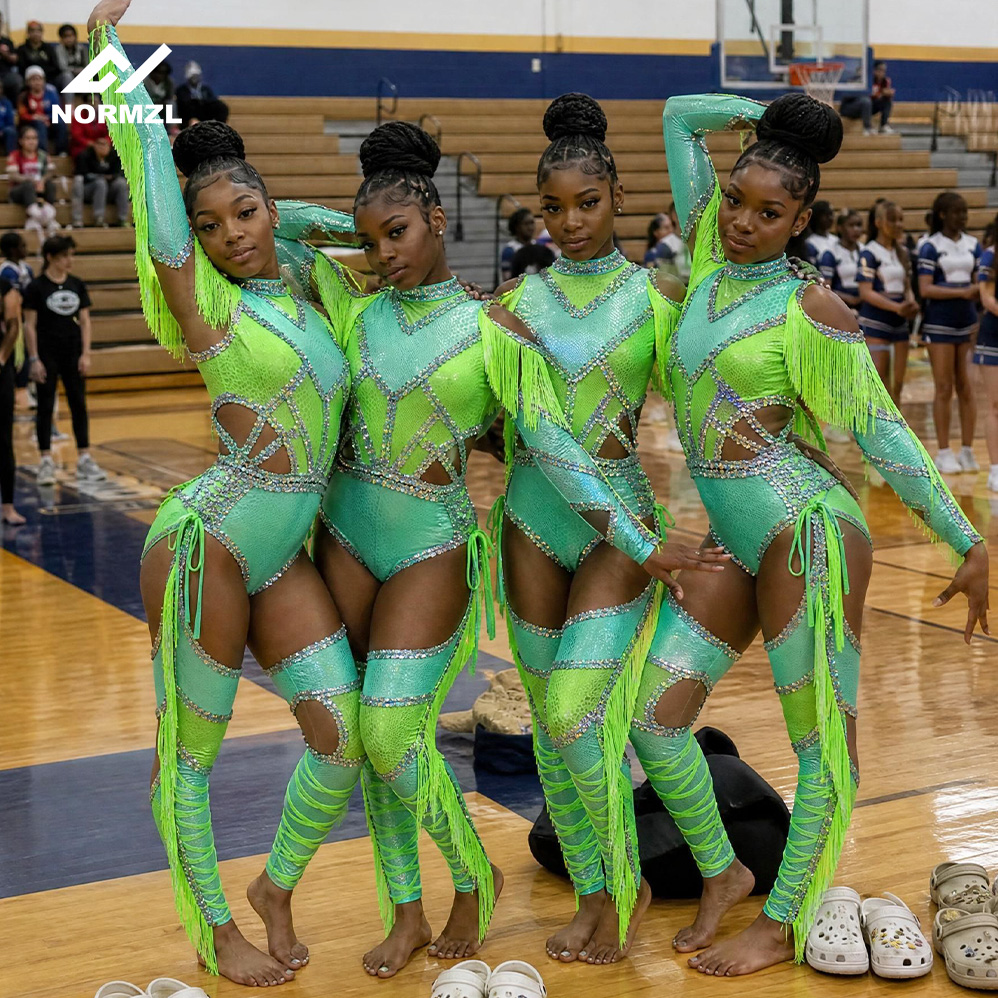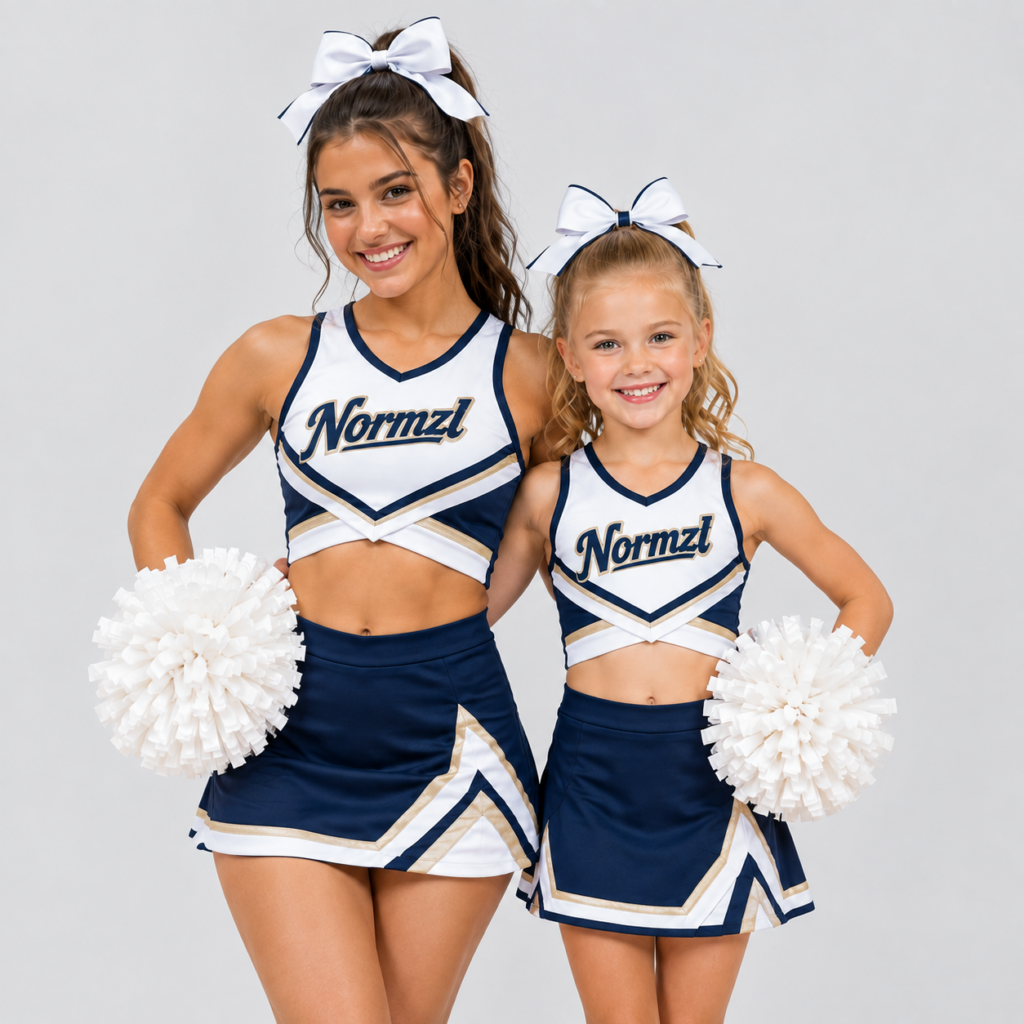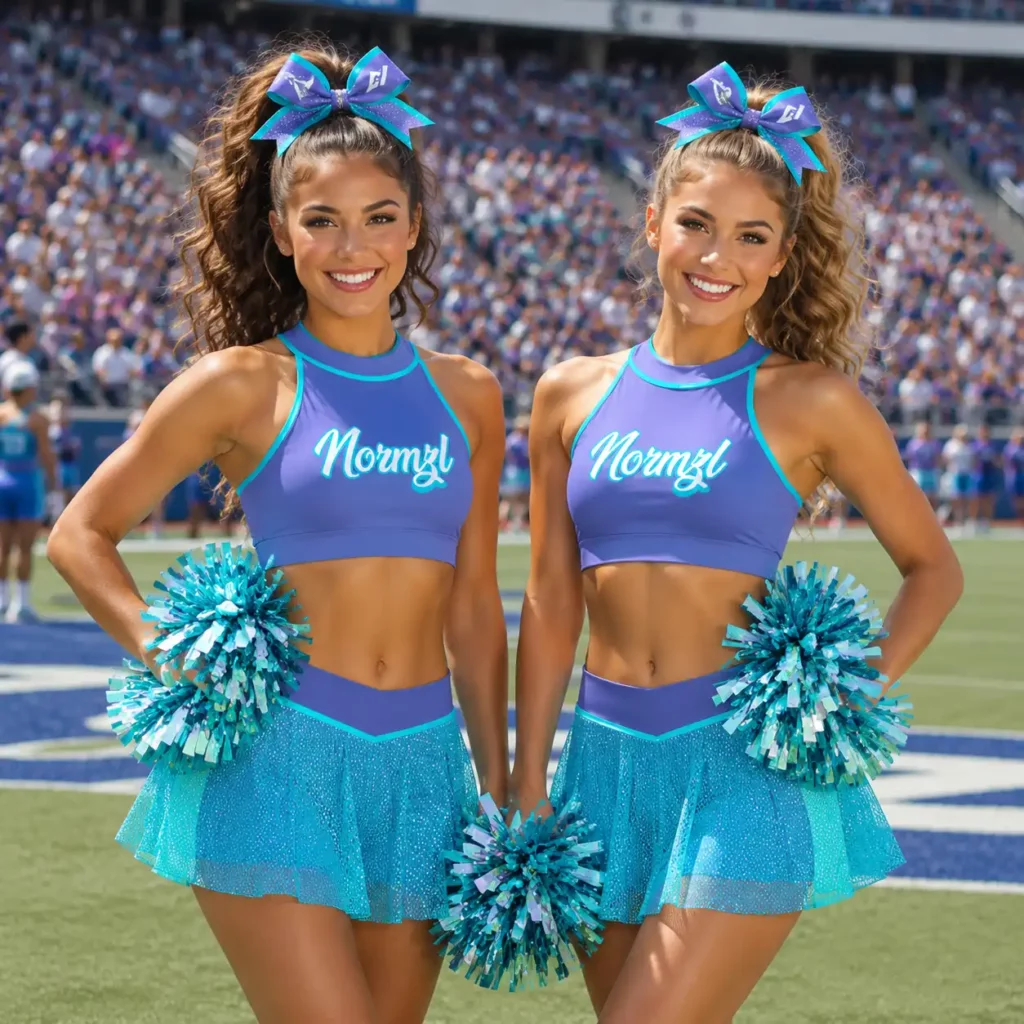




Ordering branded pom-poms for a cheer team follows a clear sequence: first determine the use case, then choose material, tamanho, and handle type, then confirm color combination and branding method, and finally calculate order quantity with enough margin for backups.
Whether outfitting a 12-member sideline squad or sourcing customized pom poms for a school-wide spirit giveaway, working through each step in order helps avoid costly mismatches between what arrives and what the team actually needs.
Choose Pom-Poms by Use Case
The starting point is defining where and how the team will use them. Different scenarios place different demands on the product.
Sideline games. Pom-poms used for football and basketball sidelines need to hold up through a season of weekly use. Durability matters more than extreme visual effects.
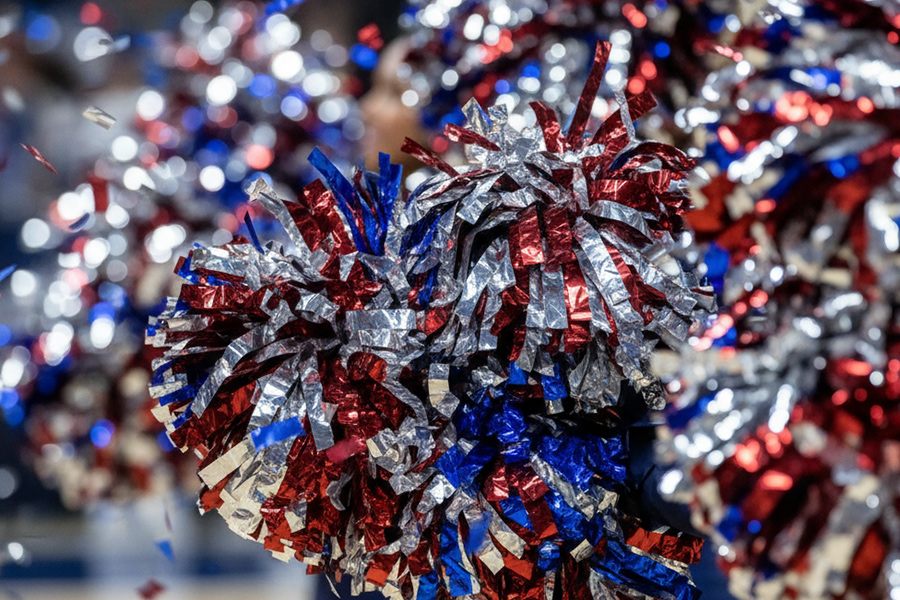
Competitions. Competition pom-poms prioritize visual impact under arena lighting. Metallic and holographic finishes tend to perform well in judged settings.
Parades and outdoor events. Outdoor use exposes pom-poms to wind and moisture. Materials that resist weather and maintain shape in breezy conditions are worth considering.
Youth cheer. Younger cheerleaders need lighter pom-poms in smaller sizes. Oversized pom-poms can slow down a child’s motions and reduce visual effect.
Fan giveaways and promotional events. When pom-poms serve as spirit wear for spectators, priorities shift toward cost efficiency and team color representation.
Teams in Sideline School Cheer programs often order separate sets for game-day and competition use. Pom-poms have been a staple of cheerleading since the activity’s early development, as noted in the overview of Líder de torcida on Wikipedia.
Compare Pom-Pom Materials
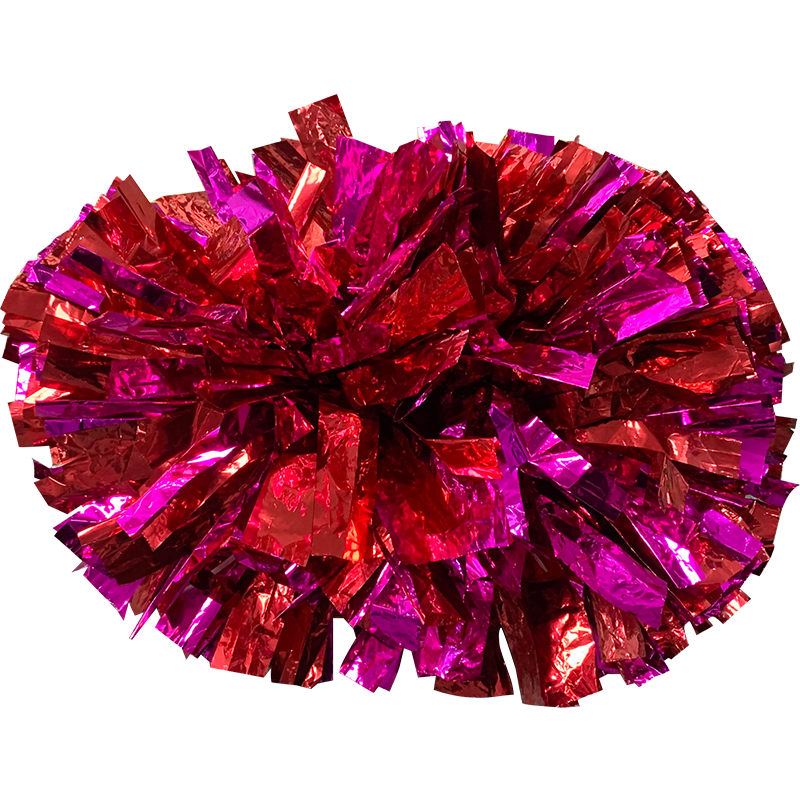
The material determines how a pom-pom looks, sounds, and feels. Most cheer pom-poms fall into five categories.
| Material | Weight | Sound | Reflectivity | Durabilidade | Relative Cost |
|---|---|---|---|---|---|
| Plastic (PP) | Light | Moderate crackle | Moderate | Alto | Typically lower |
| Metálico (Mylar) | Light | Loud, crisp rustle | Alto | Moderate–High | Mid-range |
| Wet-look | Médio | Macio | Glossy, non-sparkle | Moderate | Mid-range |
| Holográfico | Light | Moderate | Very high, color-shifting | Moderate | Mid-to-high |
| Mixed-material | Varies | Varies | Combined effects | Varies | Varies |
Plastic pom-poms are widely used for practice and youth teams because they are lightweight and cost-effective. Metallic mylar produces the loud, bright sound audiences associate with competitive cheer. Wet-look strands offer glossy sheen without sparkle. Holographic material shifts color at different angles, adding visual depth. Mixed-material pom-poms combine strand types to balance sound, peso, and reflectivity.
Actual weight, durabilidade, and pricing depend on the supplier. Your factory contact can provide material samples for comparison before committing to a full order.
Choose the Right Pom-Pom Size
Pom-pom size affects how the pom-pom moves through the air, how much visual space it fills, and how it matches the performer’s proportions.
Youth teams. Smaller pom-poms, typically 4–6 inches, suit younger cheerleaders. A pom-pom too large relative to a child’s hand can slow motions and make formations look uneven.
High school and college. Standard sizes in the 6–8 inch range work well for most teenage and adult performers, providing visible impact without overwhelming the cheerleader’s frame.
Indoor competition. In gymnasium settings, 6–8 inch pom-poms create sharp motions that read clearly from mat to bleachers.
Stadium and outdoor fields. Open-air venues call for larger pom-poms, typically 8 inches and above, to ensure visual effect reaches upper seating.
Size also interacts with movement. Larger pom-poms create more air resistance, which can slow fast motions. Smaller pom-poms cut through air more cleanly. You can compare available size options in the Cheer Pom-Poms category.
Select a Handle
The handle affects control, comfort during extended use, and how easily team members adapt.
Baton handle. A rigid shaft that fits between the fingers, providing secure grip. Common in competition settings where tosses and complex motions require firm connection. May require short adaptation period.
Finger handle. A simple loop that fits over one or two fingers. Offers natural grip feel and works well for routines without heavy toss work. Can feel less secure during high-intensity movements.
Elastic handle. An elastic band that wraps around wrist or hand, keeping the pom-pom attached without tight grip. Reduces hand fatigue during long sideline sessions and is practical for younger cheerleaders.
Hidden handle. Grip is concealed within the pom-pom head, giving clean appearance from outside. Popular in competition settings where visual presentation matters, though grip point is not visible and takes practice to adjust to.
Teams ordering custom pom poms for competition typically test at least two handle types during sample stage.
Plan the Color Combination
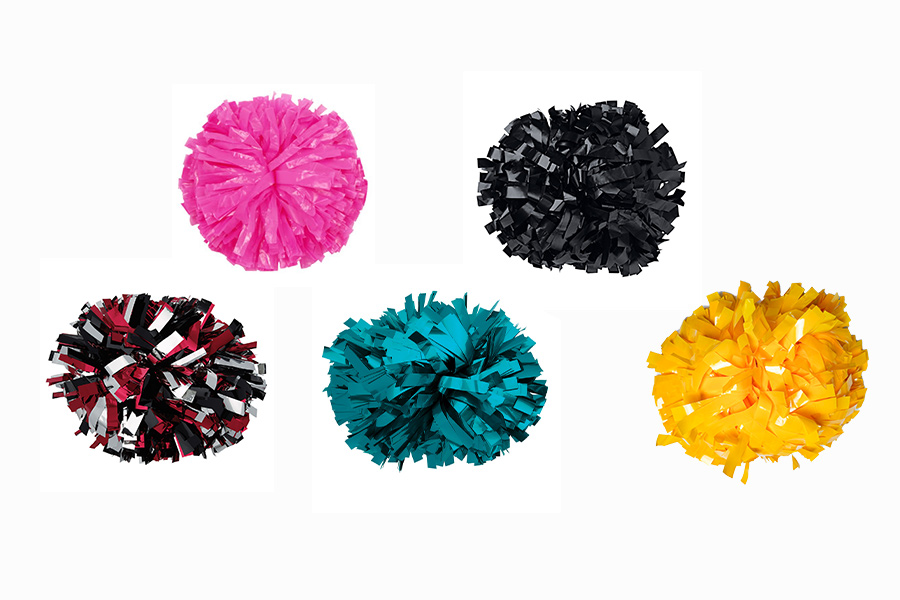
Color planning for branded pom poms should connect to the team’s overall visual identity.
Single color. A solid-color pom-pom in the team’s primary color creates clean, uniform look. Works well when the uniform itself carries most visual complexity.
Two-color split. Two colors divided along strand length or mixed throughout add dimension. Common approach is pairing primary color with secondary or accent color from uniform.
Multi-color mix. Three or more colors blended together produce vibrant, dynamic effect. Works well for spirit squads and fan giveaways, though multi-color mixes can look scattered if colors don’t share cohesive palette.
Metallic color ratio. Most cheer pom-poms include metallic strands mixed with solid-color strands. Higher metallic ratio produces more sparkle and audible presence; lower ratio keeps look closer to team’s solid colors.
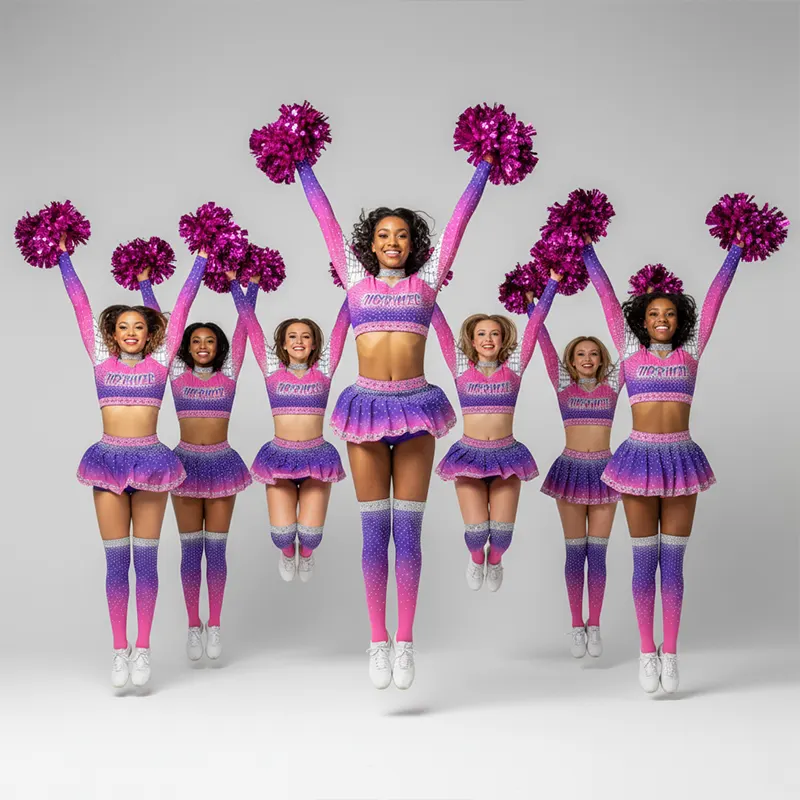
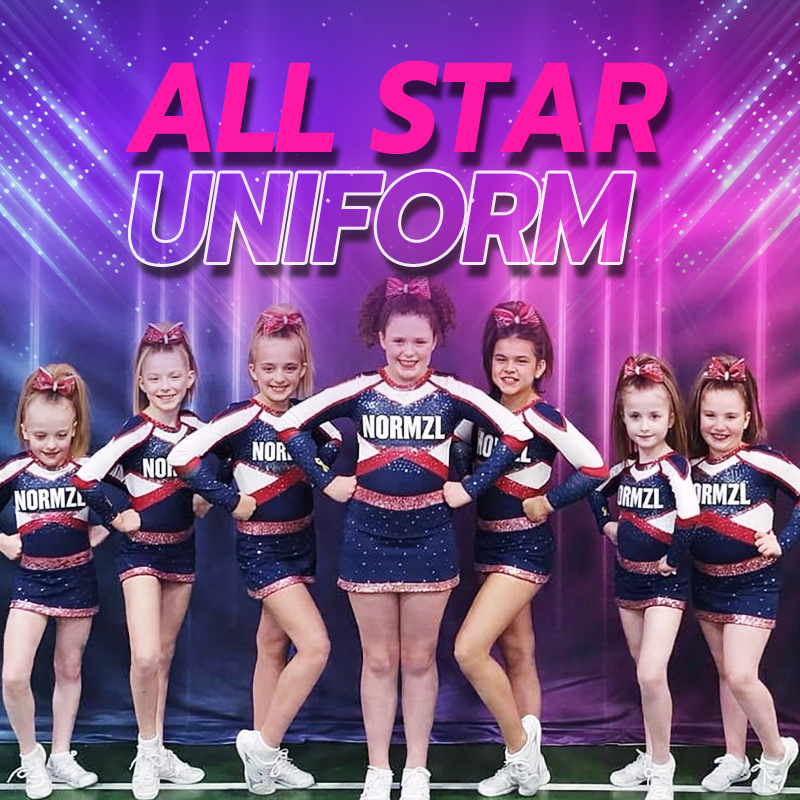
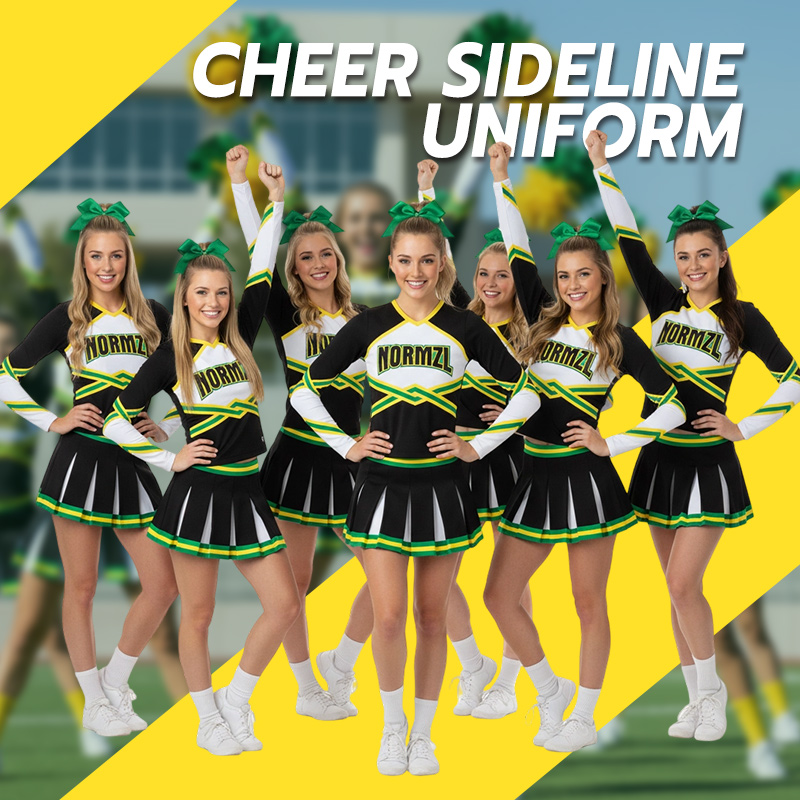
Color combination should reference the uniform’s primary, secondary, and logo tones. When pom-poms match the uniform palette, the team presentation reads as single coordinated unit. O Vestuário de torcida personalizado category shows how uniform and pom-pom colors can be coordinated.
How Can Pom-Poms Be Branded?
Several branding methods are available for customized pom poms, and the right choice depends on order quantity and how prominently the team wants its identity displayed.
Custom color combinations. Most straightforward approach is selecting strand colors that match team’s palette exactly. Requires no additional decoration and works at any order quantity.
Handle logo. Some suppliers can print or emboss team logo directly onto handle. Produces permanent brand mark and is most cost-effective at higher quantities where setup cost is spread across more units.
Labels and tags. Adhesive labels or attached tags bearing team name or mascot can be applied to each pom-pom. Suits smaller batches where handle printing is not economical.
Team name stickers. Simple sticker applied to handle or pom-pom head is most basic branding option. Works for single events but may not hold up through repeated use.
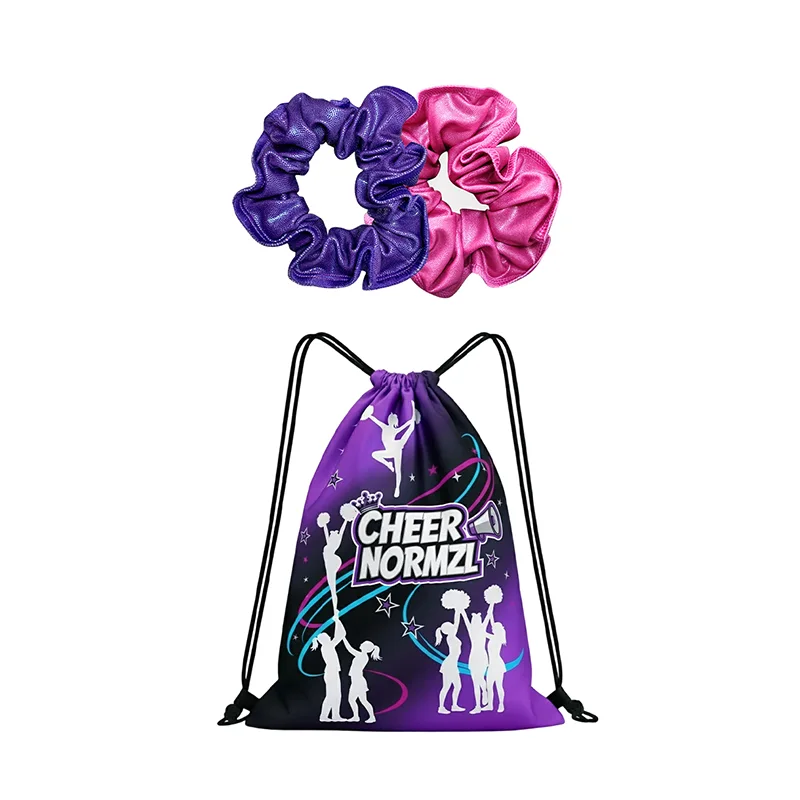
Embalagem personalizada. Branded bags or boxes turn pom-poms into presentation-ready product, relevant for fan sales or spirit distributions. Coordinate them with acessórios de alegria such as bows and bags for a unified team look.
For bulk orders, custom color combinations and handle logos tend to be most practical, since they integrate into production process rather than adding separate post-production step.
Calculate Order Quantity
A straightforward formula provides starting point for most team orders:
Team size × 2 pieces + 10% backup
Each cheerleader uses two pom-poms (one per hand), and the 10% buffer covers strand loss, handle damage, and unexpected roster changes.
Beyond the base formula, several factors can increase the number worth ordering:
Coach and instructor samples. Coaches often want pair on hand for demonstration during practice.
Display and recruitment. Extra pairs for school open houses or spirit events can be useful.
New members and tryouts. If team expects roster additions after tryouts, ordering extra upfront ensures new members match existing set.
Loss and damage over season. Pom-pom strands shed over time and handles can loosen. Having replacement pairs avoids visible mismatch.
Fan and event use. If team distributes pom-poms to fan sections or sells them as spirit items, those quantities need to be added on top of team set.
For teams placing branded order, calculate total need across all these categories before confirming final quantity.
Sample Inspection Checklist
Before approving bulk production, inspect the sample set carefully:
Left-right weight balance. Hold one pom-pom in each hand. They should feel evenly matched in weight.
Handle firmness. Handle should sit firmly within pom-pom head with no wobbling or looseness.
Material shedding. Pull a few strands gently. Some initial loose strands are normal, but excessive shedding indicates quality issue.
Color match. Compare sample strands against approved color reference under both warm and cool light if possible.
Edge safety. Run finger along cut edges of strands. They should be cleanly sealed with no sharp points.
Grip comfort. Hold pom-pom and perform basic motions. Handle should feel comfortable without creating pressure points.
Any issues found during sample inspection should be communicated to supplier before bulk production begins.
Perguntas frequentes
What size pom-poms do cheerleaders use?
Youth cheerleaders typically use pom-poms in 4–6 inch range, while high school and college cheerleaders generally use 6–8 inch sizes. The right size depends on performer’s hand size, arm strength, and performance venue.
Can pom-poms be customized with team colors?
Sim. Custom pom poms can be produced in specific color combinations that match team’s uniform palette. Most suppliers offer range of strand colors, including solid, metálico, and holographic options.
How many pom-poms should a team order?
General starting point is: team size × 2 pieces + 10% backup. Actual number may be higher when coach samples, display pairs, and fan event quantities are included.
Which pom-pom handle is best?
There is no single best handle for every situation. Baton handles provide secure grip suited to competition routines. Elastic handles reduce fatigue during long sideline use. Finger handles offer natural feel for simpler routines. Hidden handles give clean visual appearance for performance settings.
Considerações Finais
Ordering branded pom-poms for a cheer team follows a clear sequence once the team’s use case is defined. Work through material, tamanho, lidar, and color choices in order. Plan branding method based on order quantity, calculate total number needed including backups, and inspect samples carefully before approving production.
If your team is ready to start, gather your color references, team size, and event timeline, and reach out for a quote.
Create Your Team’s Championship Look