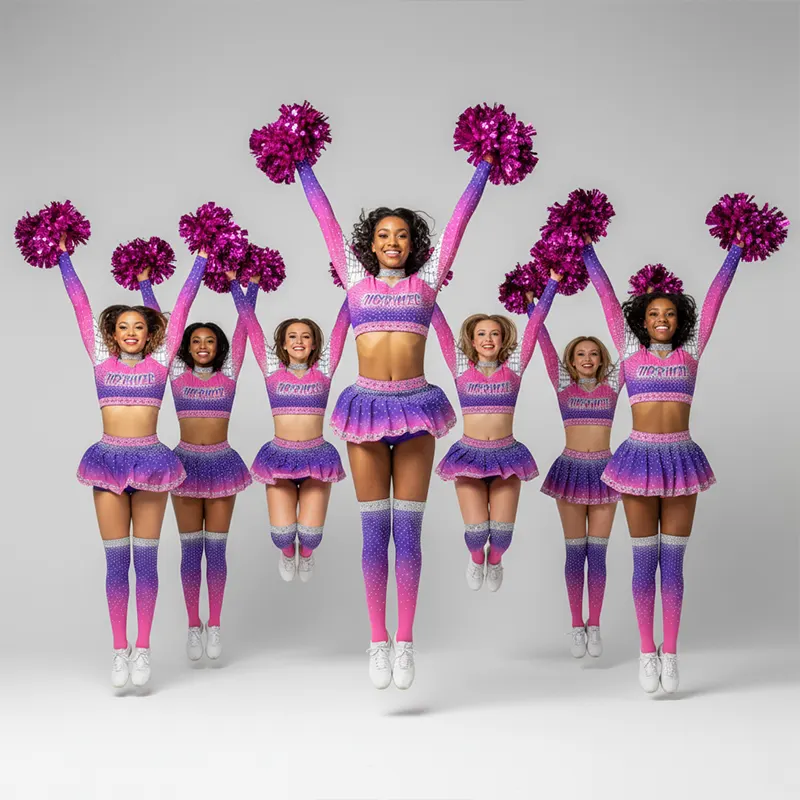
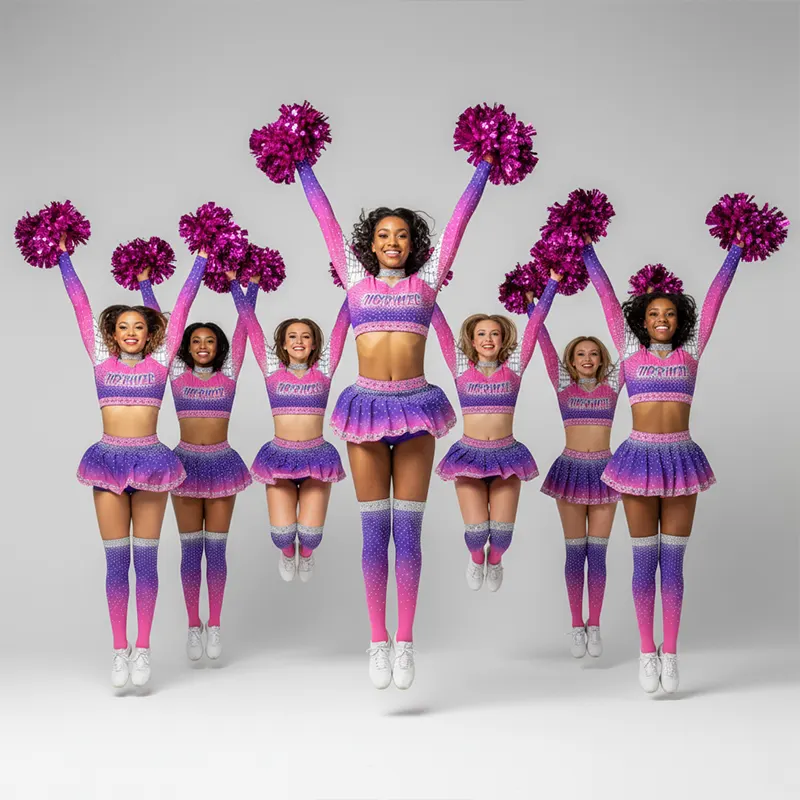
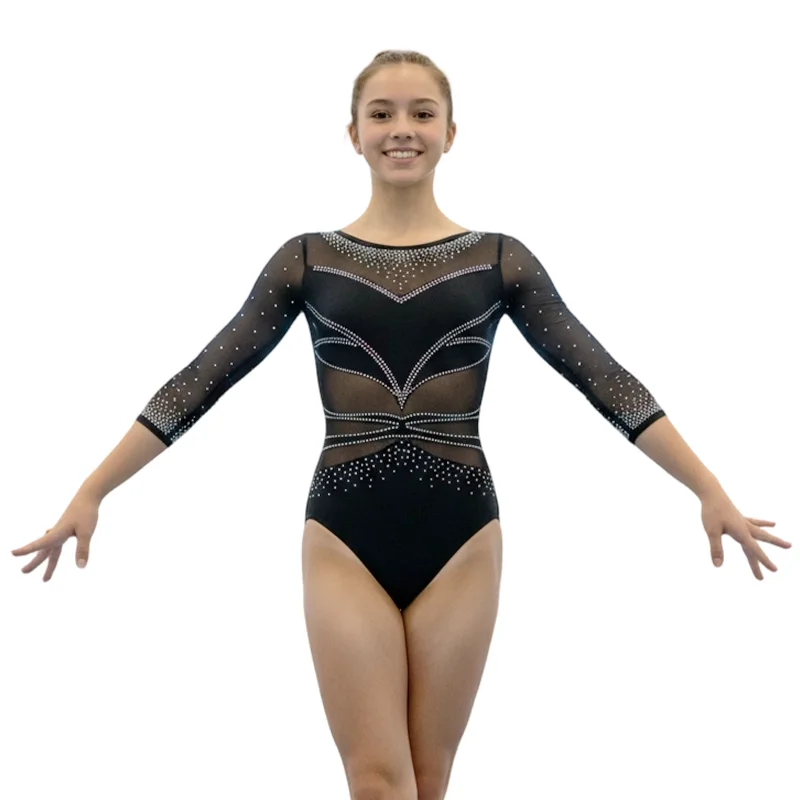




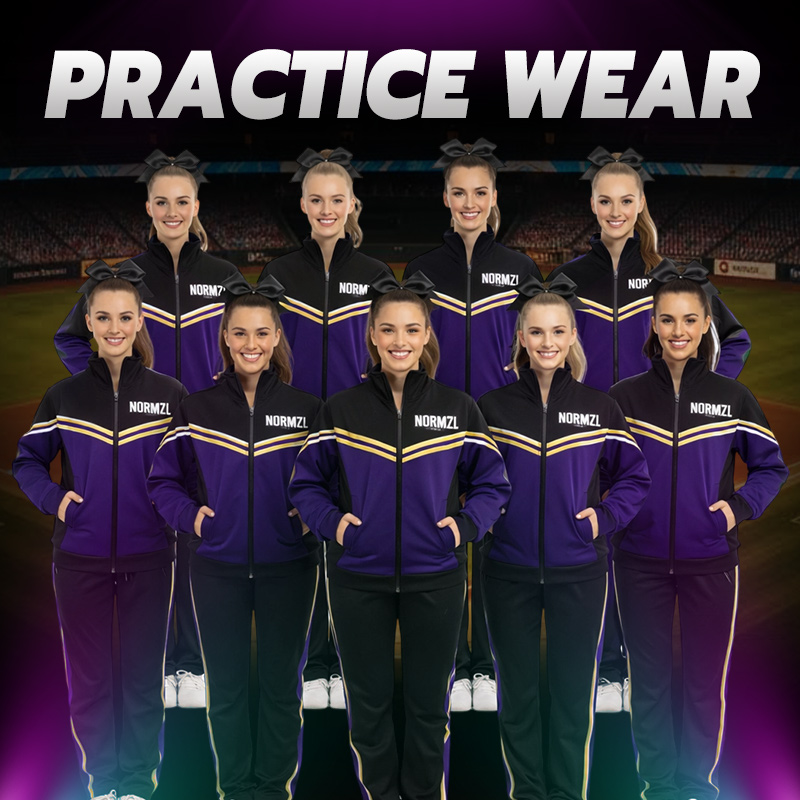
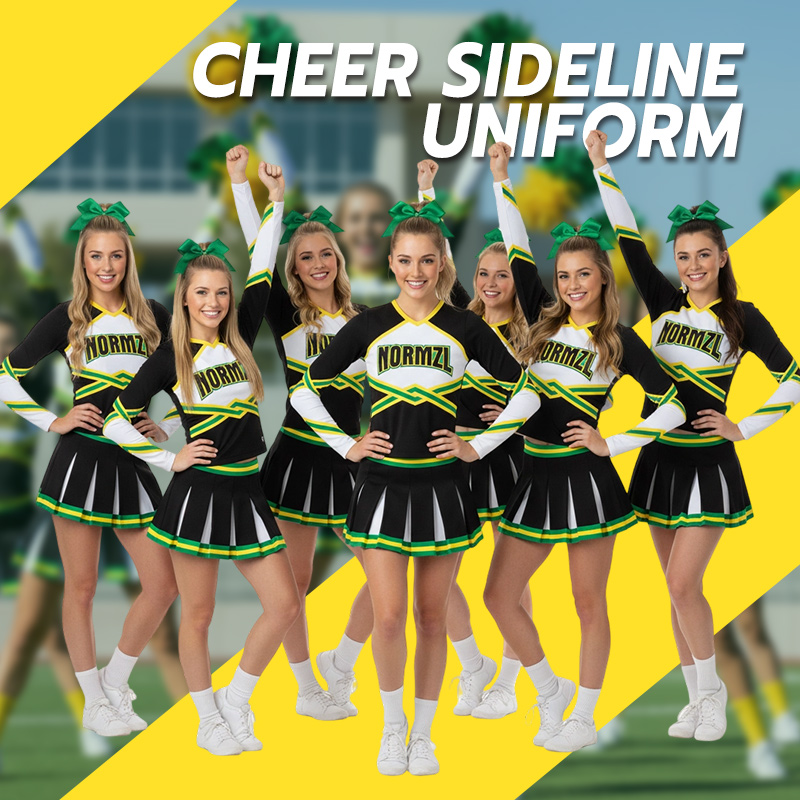
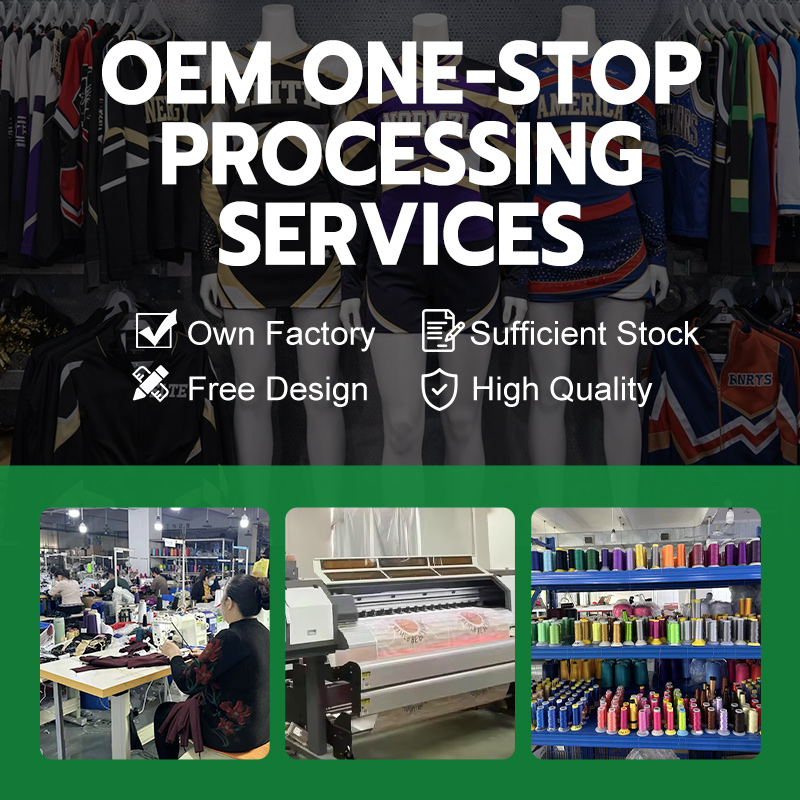
Custom cheer uniforms are more than looks—they must fit perfectly, maintain color accuracy, and perform under intense routines. Gaps between design ideas and production often cause costly mistakes that affect team performance and visual impact.
This guide shows how to turn your concepts into precise, 경쟁 준비 유니폼. You’ll learn actionable steps to avoid fit errors, ensure consistent bulk production, and select fabrics and decorations that align with your team’s identity.
How Custom Cheer Uniforms Move From Idea to Product
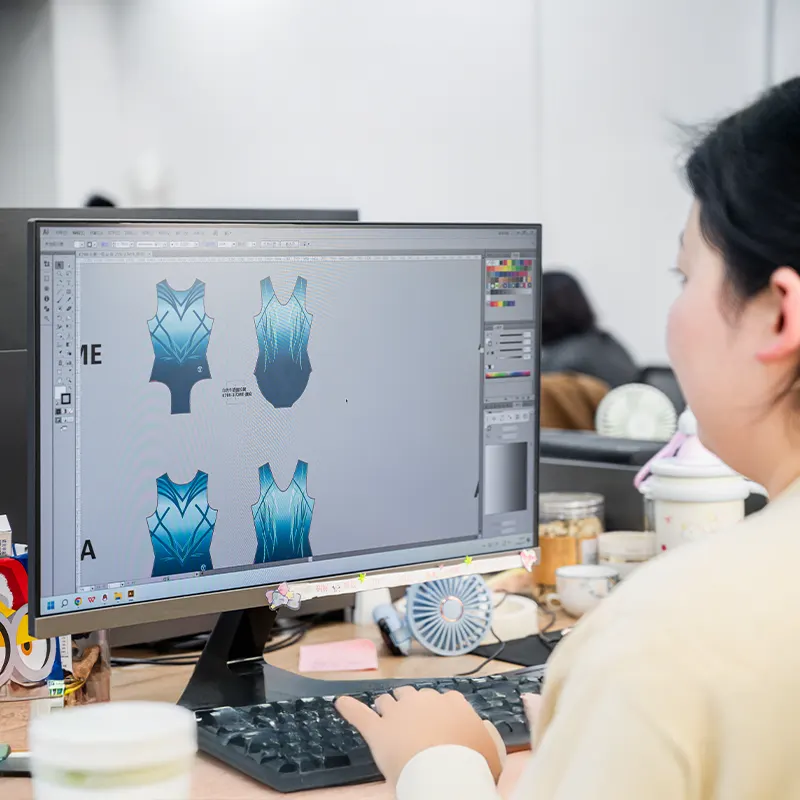
Turning a team idea into a finished 응원 유니폼 requires more than creativity. It demands structured decisions, technical planning, and early feasibility checks that define the final look, functionality, and production feasibility. Missing these steps can result in uniforms that restrict movement, mismatch team colors, or fail to meet bulk consistency.
Initial Concept Input and Team Vision
Teams usually start by sharing a broad concept rather than a fully formed design. These inputs help designers capture the emotional identity 그리고 visual style the team wants to express.
Key inputs include:
- Concept References: Past uniforms, mood boards, or photos of inspiring designs.
- Team Identity: 학교 색상, 마스코트, and brand guidelines that influence visual choices.
- Style Direction: Preferences for classic, 현대의, or competitive silhouettes.
Designers interpret these materials to understand how a team wants to appear on the mat and how uniforms should support performance.
Concept Inputs vs. Design Purpose
| Team Input | Design Purpose |
|---|---|
| Visual References (photos, mood boards) | Guide color palette, 로고, and overall style inspiration |
| Team Identity (그림 물감, mascot) | Ensure brand alignment and team recognition |
| Style Direction (권위 있는, 현대의, 경쟁력 있는) | Define silhouettes, decoration level, and visual tone |
Translating Ideas Into Design Direction
Collected concepts must be structured into actionable design directions. This step converts abstract inspiration into buildable plans while ensuring feasibility.
- Silhouette Selection: Choose top types (crop top, shell top, one-piece) that balance aesthetics and mobility.
- Logo Strategy: Decide placement, scale, and integration to maintain visibility and cohesion.
- Decoration Plan: Define intensity (minimal, moderate, high-impact) while considering material limits.
Designers focus on practical application. 예를 들어, intricate rhinestone patterns may look appealing but can hinder movement if placed on high-flex zones. Early decisions in this stage reduce revisions later.
Defining Performance and Budget Constraints
Effective uniforms must meet 성능 요구 사항 while staying within budget. Setting constraints early ensures smooth production and prevents costly errors.
- Usage Scenario: 경쟁, school performances, or sideline appearances, which dictate durability and style.
- 예산 범위: Sets realistic expectations for fabrics, 장식물, and labor.
- 생산 일정: Defines deadlines and buffer time to accommodate adjustments.
Clear constraints guide the next design steps, keeping creativity within achievable limits and preventing overspending or unrealistic expectations.
Building Team Identity Through Colors, 로고, and Silhouettes
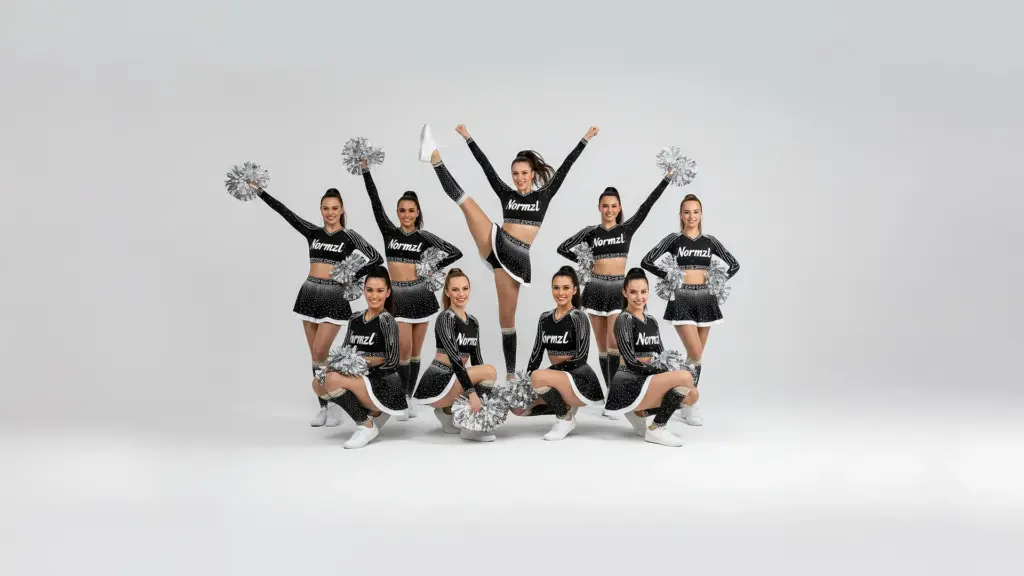
A cheer uniform is a visual identity system where colors, 로고, and silhouettes work together. Proper alignment ensures instant recognition, strong visual impact, and smooth performance. Misalignment between elements weakens the team’s image and affects the uniform’s functionality.
These three elements form the core structure of uniform design, where every choice directly influences both performance and visual consistency on the competition floor.
| Design Element | Core Function | Key Impact on Uniform |
|---|---|---|
| Color System | Defines visual recognition and brand identity | Controls visibility, emotional impact, and consistency across lighting conditions |
| 로고 배치 | Communicates team identity and brand message | Affects readability during motion and overall design balance |
| Silhouette Design | Defines structure, 맞다, and movement performance | Determines coverage, athletic support, and visual style direction |
Custom Uniforms That Fuel Your Victory.
구조, Cut, and Decoration Selection for Performance Uniforms
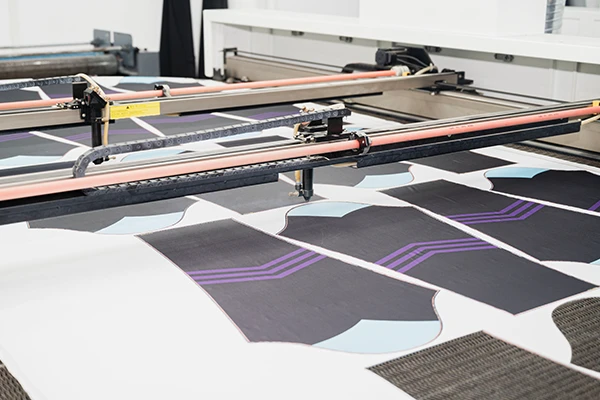
구조, cut, and decoration form the technical foundation of a cheer uniform. They affect comfort, 내구성, 움직임, 그리고 시각적인 효과. Selecting the right combination ensures athletes perform freely while maintaining a polished, competitive look.
| 범주 | 주요 특징 | Typical Applications | Design Considerations |
|---|---|---|---|
| 구조 | Provides stretch, 통기성, 회복, 그리고 내구성 | Performance tops, 스커트, bodysuits, 측면 패널 | Match material to routine type: elastic fabrics for high-movement, stable fabrics for structured designs |
| Cut & 무늬 | Defines fit, motion support, seam strength, and size grading | Full uniform range across sizes | Ensure motion-friendly shaping around shoulders, 엉덩이, and joints; reinforce high-stress areas |
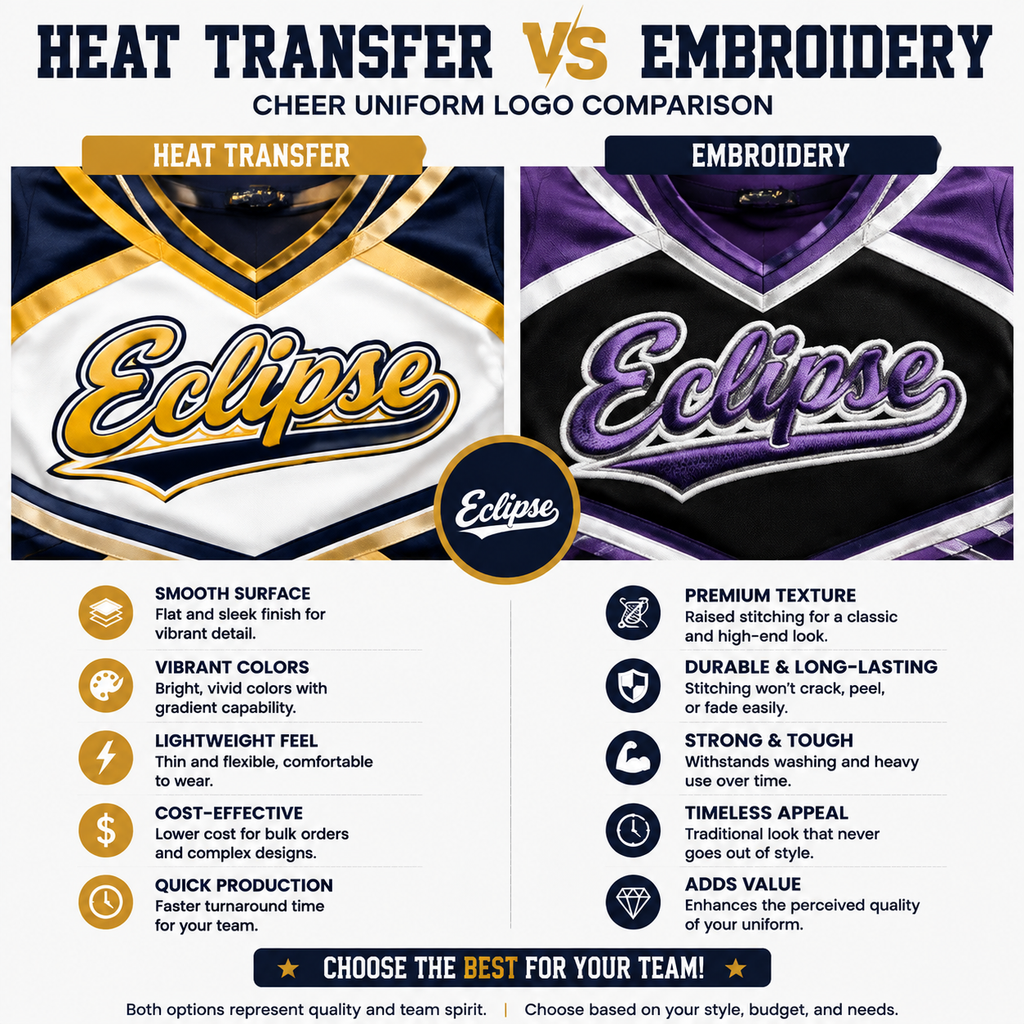
| 장식 | Enhances visual appeal through color, dimension, or sparkle | 로고, lettering, 패턴, accent elements | Choose method based on design: sublimation for lightweight graphics, applique for bold lettering, rhinestones for sparkle; avoid over-decoration that restricts movement |
This unified approach lets teams and designers quickly evaluate 재료, 구조, 그리고 꾸밈 in one glance. Proper coordination ensures the uniform not only looks impressive but also supports performance and durability.
Measurement System and Technical Specification Control
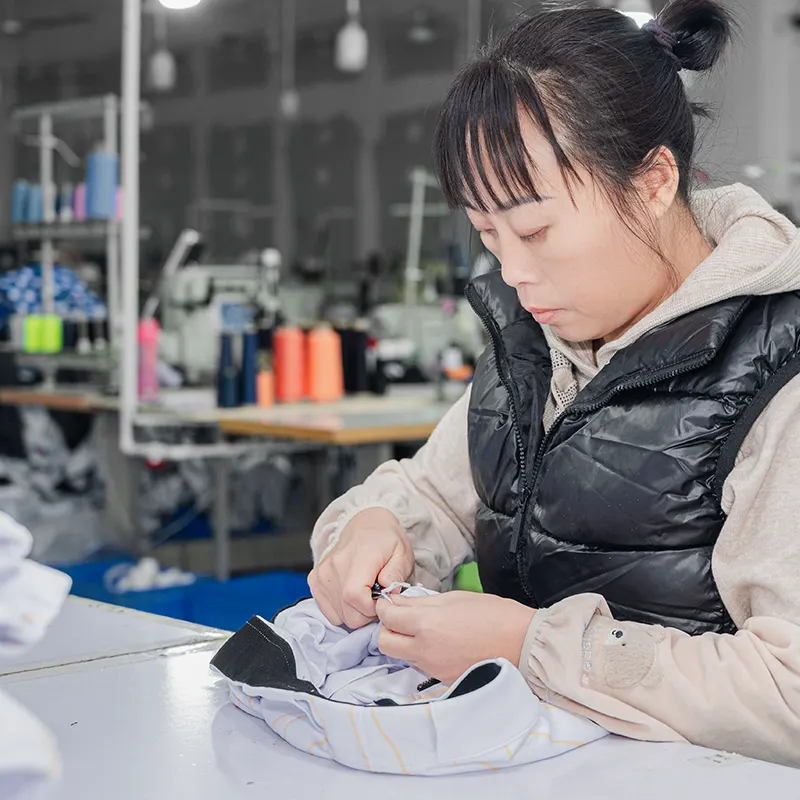
Achieving consistent fit across all team members is a major challenge in bulk uniform production. A controlled measurement system ensures every uniform meets design standards, prevents variation, and reduces costly errors during manufacturing.
| 프로세스 / Point | 목적 | Best Practice |
|---|---|---|
| Standardized Measurement | Ensures uniform data across all athletes | Have one trained person measure the entire team using the same method; record data in a centralized sheet |
| Key Measurement Points | Defines uniform structure and fit |
– 흉상: Full chest circumference for top fit – 허리: Natural waistline to align skirt or pant fit – 엉덩이: Widest lower body point for mobility – Skirt Length: Standardized from waistline to hem |
| 핏 일관성 | Prevents cumulative errors in bulk production |
– Size Grading: Apply uniform scaling across all sizes – Length Alignment: Ensure consistent hem and panel measurements – Stretch Allowance: Standardize elasticity use to avoid variation |
Accurate measurement is the backbone of uniform production. Even a 1–2 cm discrepancy can multiply across dozens of uniforms, creating visible inconsistencies. By following a structured measurement process, factories can produce uniforms that fit all athletes properly, maintain performance during routines, and uphold the intended visual design.
If you want to understand this in more detail, you can also read our guide on 응원 유니폼 사이즈 차트.
From Digital Mockup to Physical Sample Approval Process
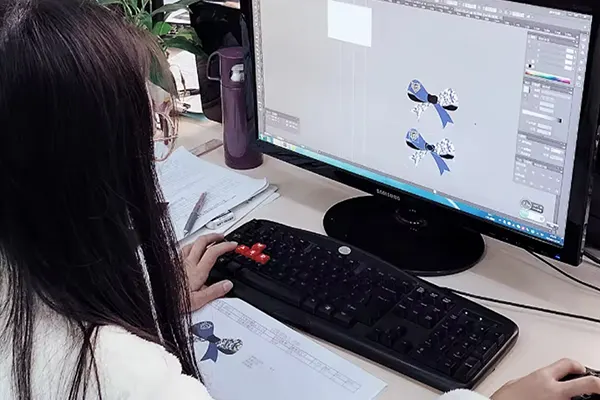
This stage ensures the final 응원 유니폼 matches the approved design in both appearance and performance. It connects digital planning with real production, reducing risks caused by color differences, fit errors, or construction issues.
Digital Mockup and Tech Pack Development
A digital mockup shows the visual direction, while the 기술 팩 defines how the uniform is built in production. 함께, they translate design ideas into clear manufacturing instructions.
| Tech Pack Element | 목적 |
|---|---|
| Fabric Specification | Defines material type to ensure correct stretch, weight, 그리고 내구성 |
| Color Codes | Uses Pantone or reference codes to guarantee color consistency |
| 공사 내용 | Specifies stitching, 솔기, and structural design requirements |
| Decoration Mapping | Defines exact placement of logos, 패턴, 그리고 꾸밈 |
This document acts as a production blueprint. Once finalized, factories use it to ensure every unit follows the same standard without interpretation differences.
Physical Sample Creation and Fit Testing
A physical sample transforms the digital design into a real garment. It allows teams to evaluate details that cannot be fully understood on screen.
Key evaluation points include:
- Material Behavior: Checks fabric stretch, 회복, and overall comfort during movement
- Color Accuracy: Compares real fabric tones under different lighting conditions
- Performance Fit: Tests mobility during jumps, 묘기, 그리고 텀블링
This stage often reveals small but important issues, such as slight color shifts or movement restrictions, which are not visible in digital previews.
Sample Review and Final Production Approval
After testing, teams review the sample and provide structured feedback. Clear communication ensures adjustments are applied correctly before bulk production begins.
The approval process follows a controlled sequence:
- Initial evaluation of overall appearance and fit
- Technical adjustments based on feedback
- Final confirmation for mass production
승인되면, the sample becomes the production standard, guiding all future units to ensure consistency across the entire team order.
Common Design Mistakes That Lead to Production Failures
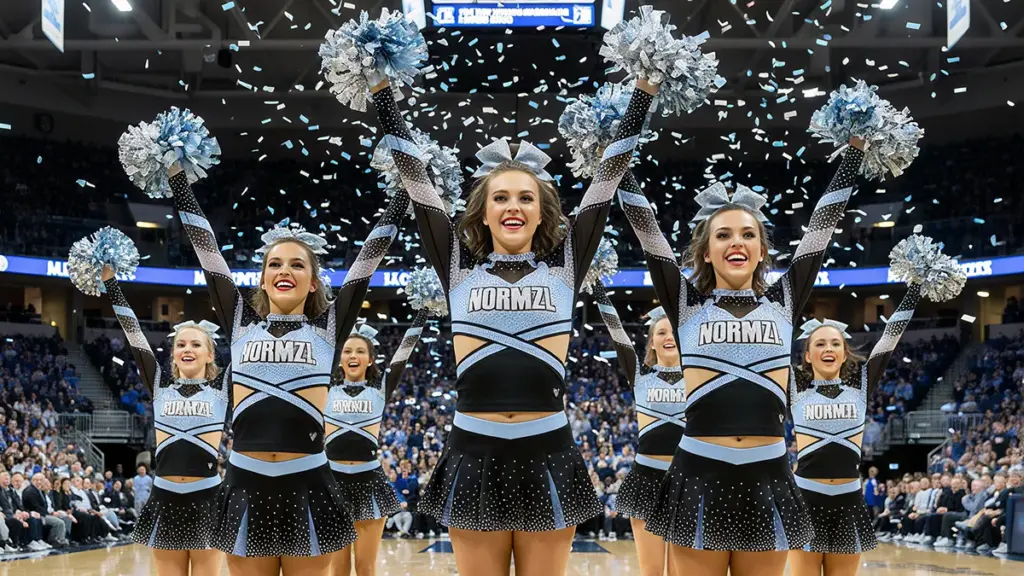
Many production problems stem from early design decisions rather than manufacturing errors. Understanding these pitfalls helps teams reduce cost, maintain quality, and ensure consistent fit and performance across bulk orders.
Fit and Measurement Errors in Early Design
Improper sizing or inconsistent measurement logic can compromise both function and appearance. Even minor errors in pattern grading can lead to uniforms that restrict movement or appear uneven across the team.
Prevention relies on a standardized measurement system, cross-checked patterns, and early sample testing. Addressing fit issues before production avoids costly revisions and ensures athletes move freely during high-energy routines.
Cost Inflation From Over-Complex Design Choices
Overly complex designs increase production cost and may reduce uniform durability. Factors such as excessive fabric combinations, heavy rhinestone coverage, or multiple decoration layers can complicate manufacturing.
Simplifying designs enhances performance, reduces production errors, and maintains a predictable budget without compromising visual appeal.
Bulk Inconsistency and Manufacturing Deviations
Without clear technical standards, even good designs can fail in bulk production. Common issues include color mismatch, misaligned logos, and inconsistent decoration placement.
Providing complete tech packs, approved swatches, and physical sample approvals ensures all units meet expectations and maintain a professional, cohesive team identity.
Overview of Common Design Mistakes
| Design Mistake | Key Risk | Preventive Action |
|---|---|---|
| 맞다 & 측정 | Uneven or restrictive uniforms | Standardized measurements and early sample checks |
| 설계 복잡성 | High cost, durability issues | Simplify fabrics and decorations |
| 대량생산 | 색상, 심벌 마크, or decoration inconsistencies | Clear tech packs, approved swatches, and samples |
자주 묻는 질문
How do I design a custom cheer uniform?
Designing a custom cheer uniform starts with defining your team’s identity and performance level. 다음, confirm all league and school rules for safety and coverage. From there, select silhouettes, a color palette, and performance fabrics that balance visual impact with athletic function. 마지막으로, work with a specialized manufacturer to finalize logo placement, create mockups, and move the approved design into production.
What should be included in a cheer uniform design?
A complete cheer uniform design specification should cover core garments (top, bottom, under-uniform pieces), coverage rules (midriff, 스커트 길이), 재료 (performance stretch fabrics), 그리고 브랜딩 (logo placement and size). It also needs to address fit protocols, age-appropriate options, and coordinating accessories, all while adhering to governing body guidelines like those from USA Cheer or NFHS.
Can a manufacturer help design cheer uniforms?
예, manufacturers are essential partners in designing cheer uniforms. They can turn your concepts into production-ready specifications, recommend appropriate fabrics and construction methods, and provide design tools or templates. Many offer services ranging from modifying their existing styles (ODM) to building a completely unique uniform from your sketches (OEM).
How long does it take to get custom cheer uniforms?
The entire process for custom cheer uniforms, from initial design to delivery, typically takes 4 에게 8+ weeks. The design and revision phase can last 1 에게 3 weeks, followed by a production time of 4 에게 6 weeks. Shipping adds another 1 에게 2 weeks. Timelines can extend during peak seasons, so it’s best to start the process 8 에게 12 weeks before you need the uniforms.
Can I approve a sample before my full uniform order is produced?
예, approving samples is a standard part of the custom uniform process. You will almost always approve a digital mockup first. Many suppliers also provide physical fit kits with sample sizes to ensure proper sizing. For highly complex or large orders, you can often request a full pre-production prototype to verify colors, 직물, and construction before committing to the bulk order.
How do I make sure the final uniform matches the approved design?
To ensure the final product matches your design, start with a detailed technical specification for the manufacturer. Always approve physical fabric swatches to confirm colors, not just digital mockups. Use a fit kit to lock in sizing for every athlete. For complex designs, requesting and approving a full pre-production sample is the best way to verify every detail before the main production run begins.
최종 생각
Custom cheer uniforms require more than visual appeal—they depend on structured engineering decisions that connect concept planning, fabric selection, measurement systems, 그리고 생산 공정 into a cohesive workflow. When every stage is carefully managed, from initial ideas to sample approval, teams achieve uniforms that are consistent, 기능성, 그리고 내구성, ready to perform in real competition.
For programs seeking to reduce bulk production risks and ensure uniform consistency, working with Normzl’s factory-controlled process guarantees every detail aligns before full-scale 조작. Partnering with 노름즐 helps your team transform creative designs into high-quality team uniforms that combine style, 성능, and reliability.