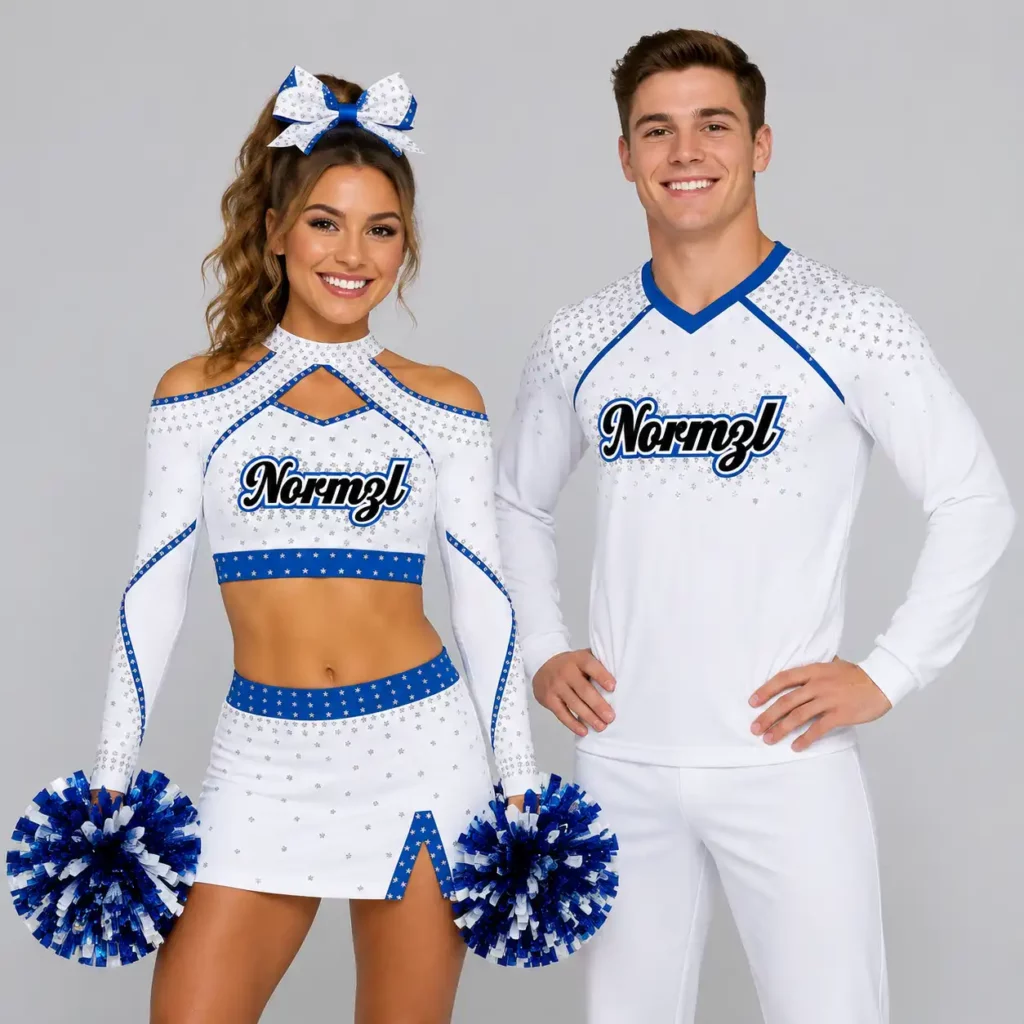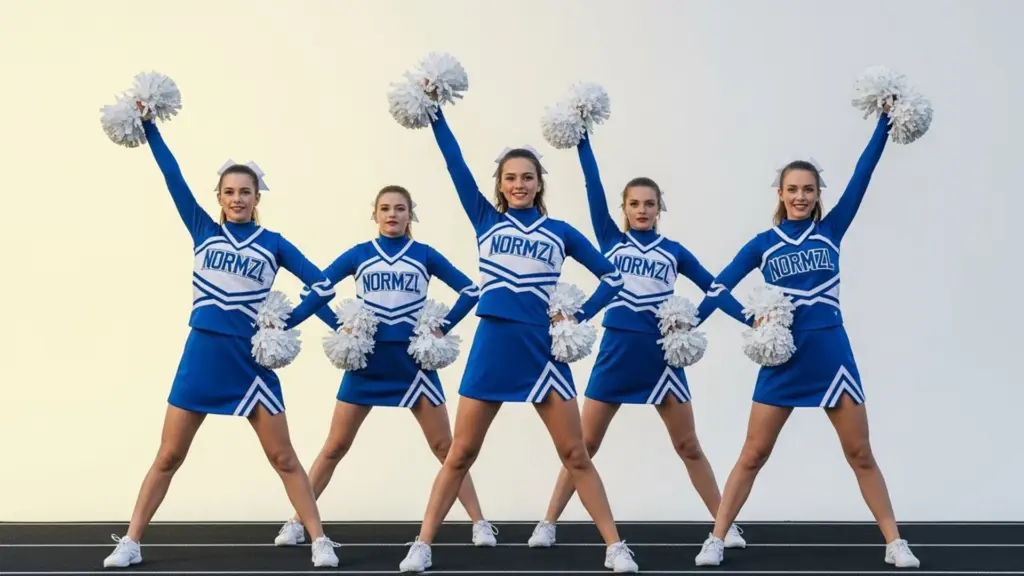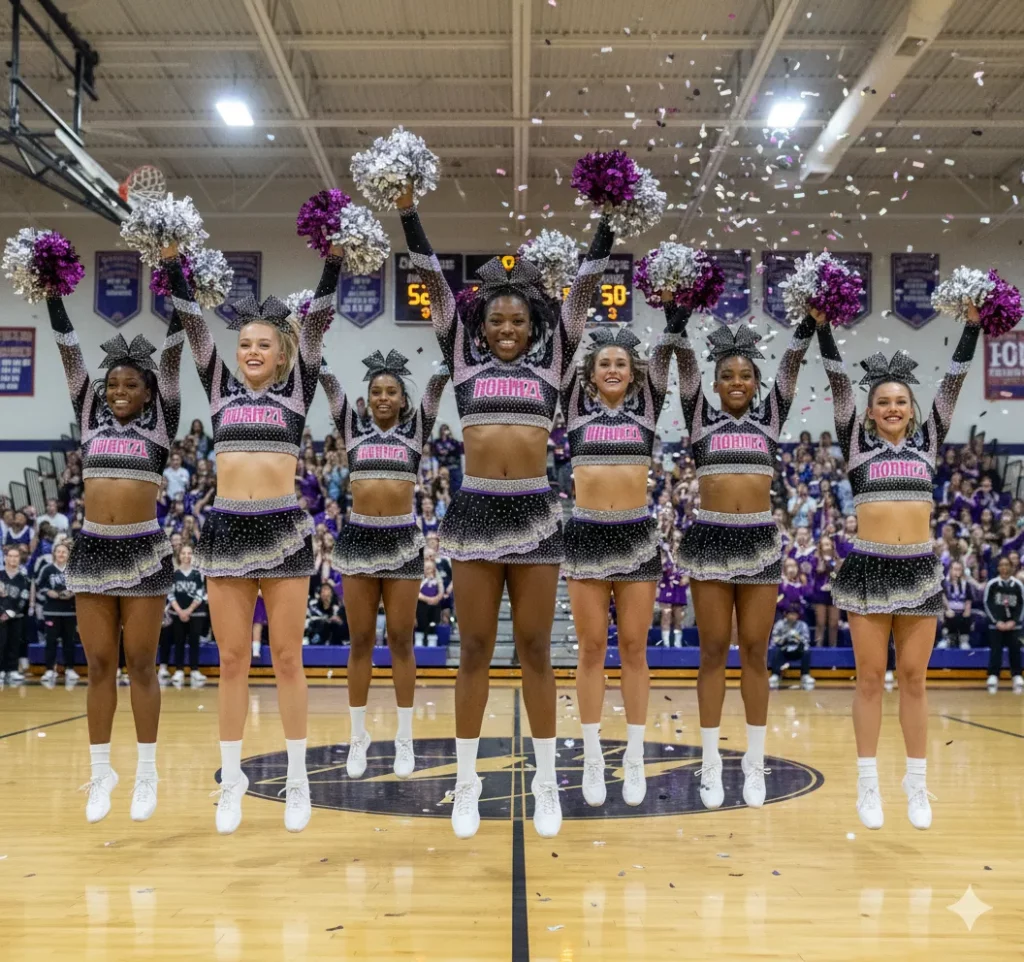
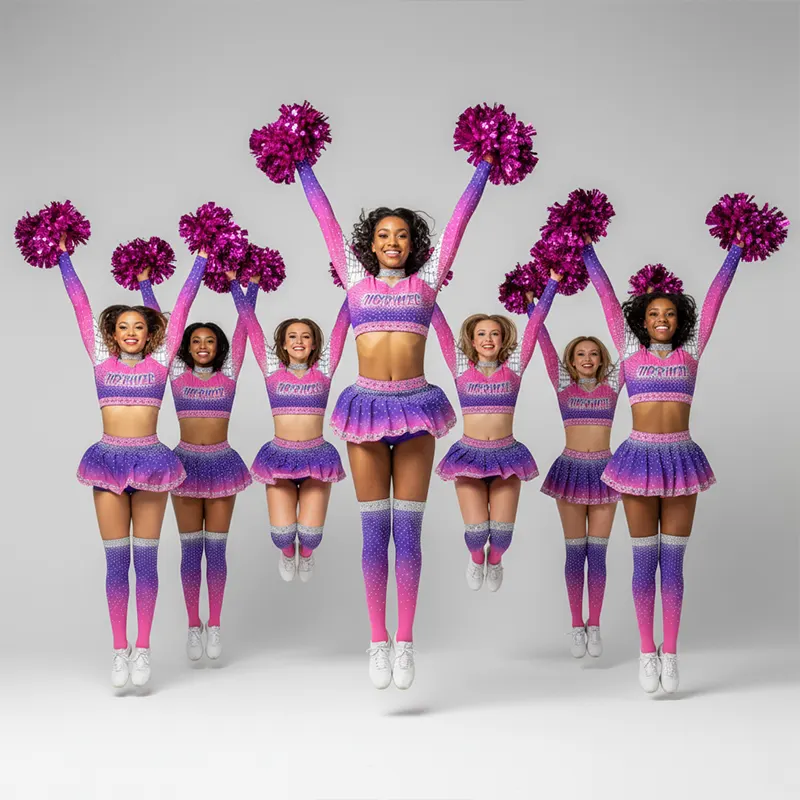
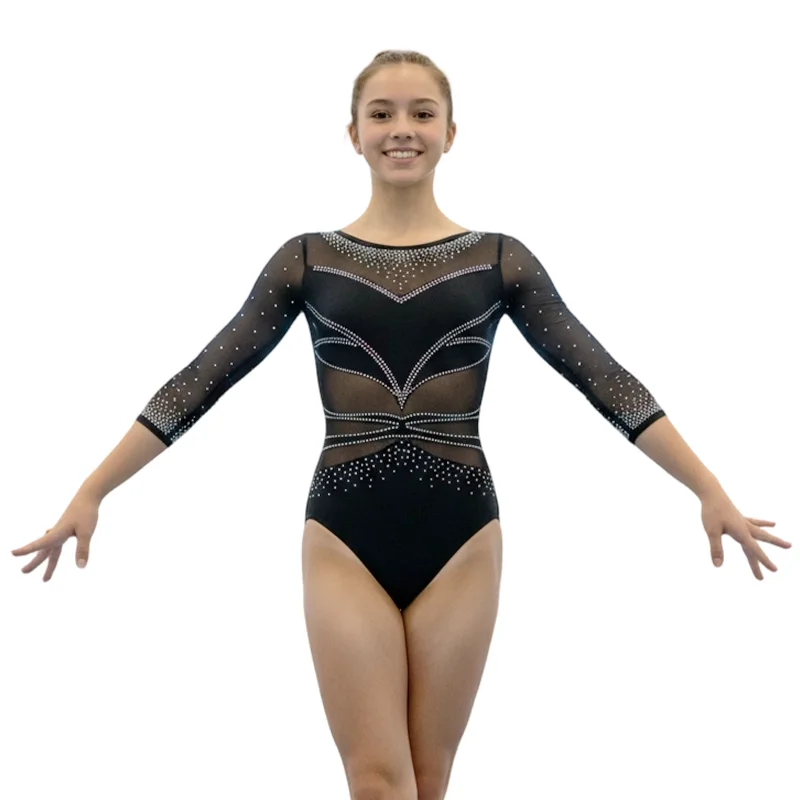
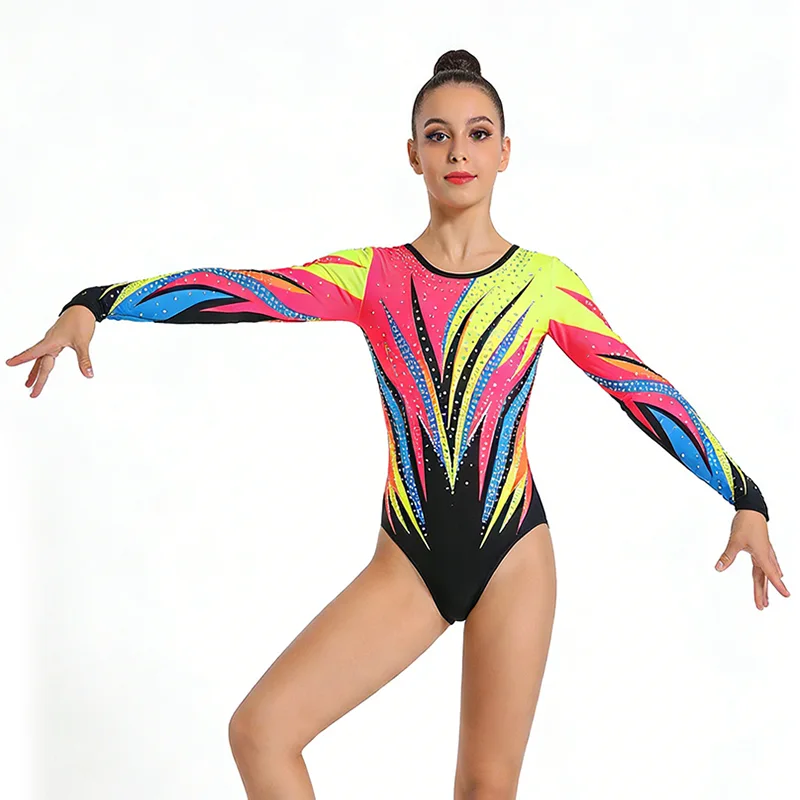




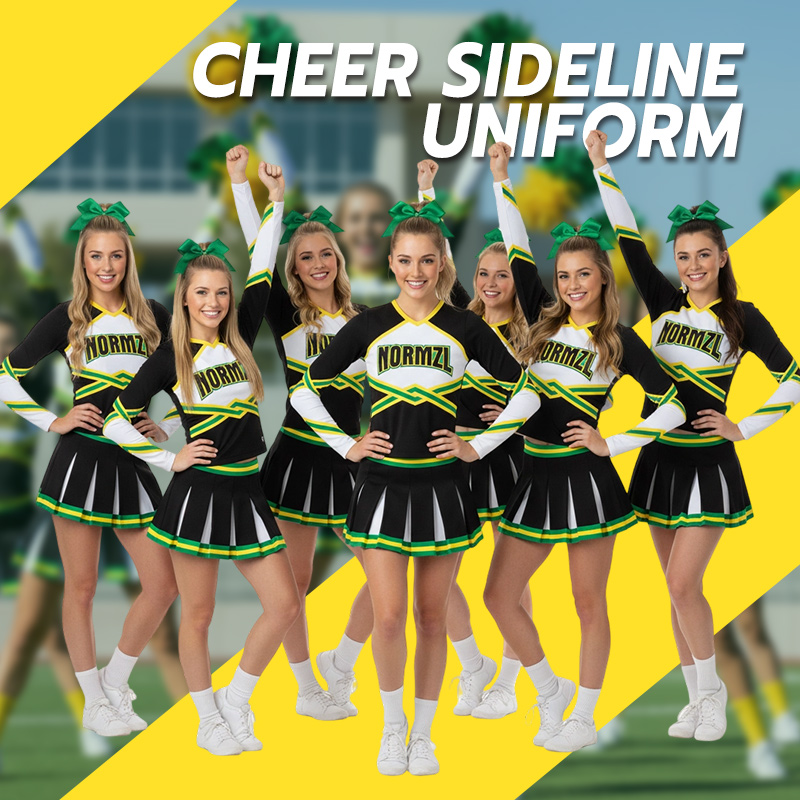

A majorette uniform sample is the point where a custom design meets real bodies, real fabric, and real movement. A physical sample gives the buyer and the manufacturer a shared reference for reviewing design, fit direction, 材料, 工事, and decoration before bulk production opens. This guide walks through that single review: what to check, how to record revisions, and what to approve in writing.
A sample is judged against written references, one wearer and one size at a time, and every issue becomes a numbered, photographed revision before bulk approval.
What Should Be Ready Before the Sample Arrives?
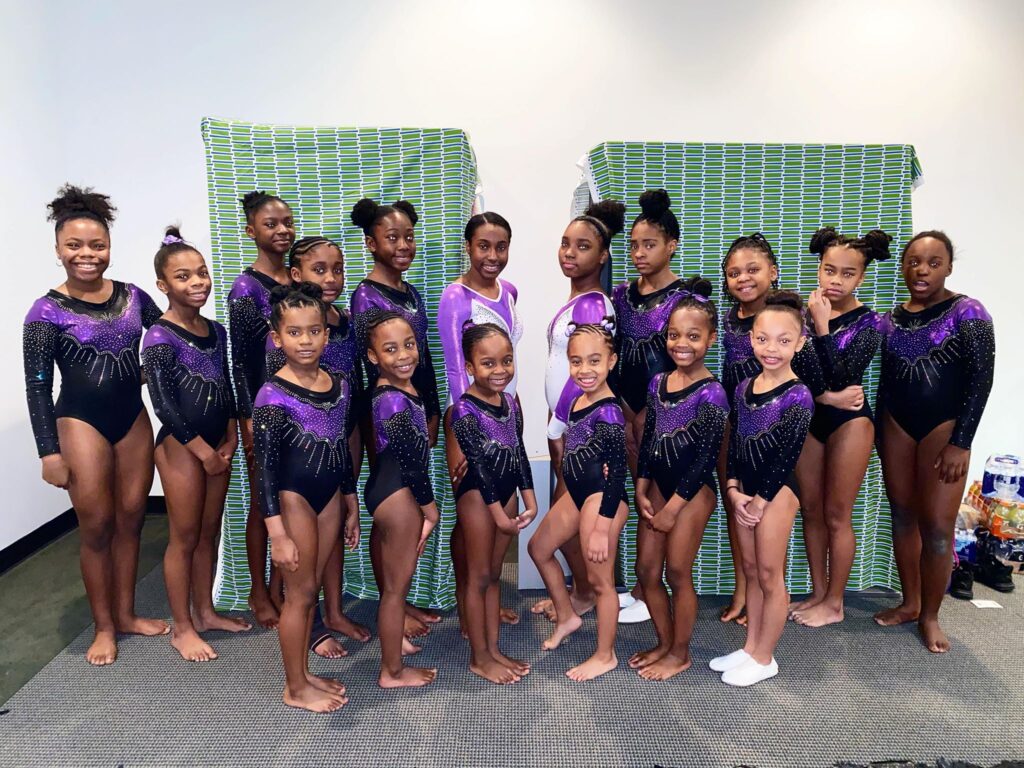
Before the sample arrives, gather the references needed for review: the latest approved digital mock-up, logo and team-name files, color references, confirmed style version, requested fabric information, and decoration layout. Use the mock-up to compare colors, panel arrangement, ロゴ, and decoration placement, but do not treat it as a garment pattern or dimensional specification.
Record who will wear the majorette uniform sample, which size it represents, and which fit reference applies to that wearer. Keep the confirmed requirements in one written record instead of relying on separate messages. If an important reference is missing, ask the supplier to clarify it before giving final approval. Assign responsibility for the design and fit checks so each decision has a clear reviewer.
If the approved sample will be retained for comparison with the bulk order, label it with the style, approval date, and revision number. Store it in a clean, protected location and keep it with the corresponding mock-up and approval record. This gives the receiving team a consistent reference when the finished order arrives.
Does the Sample Match the Approved Design?
Start with the obvious question: is this the design you approved? Lay the sample next to the mock-up and compare the garment structure, the seam and panel lines, the colors, the team name, the logo, the numbers, and the decoration placement. Read every letter and number twice, because a misspelled team name or a wrong number is far more expensive once it appears on every uniform in the bulk run. Check the reverse side as well as the front, since lining, seam tape, and hidden labels also carry version information. Confirm trims such as belts, capes, or sleeves match the approved set rather than a substitute.
Note anything that differs from the approved version, including small shifts in proportion or color shade. Matching the approved design is the first gate; a sample that fails it does not move on to fit or movement review until the gap is resolved and written down. NORMZL’s guide to how custom majorette uniforms move from design to production explains where a sample sits in the wider process. Photograph the sample beside the mock-up under even light, so a later conversation starts from the same image rather than two memories.
Does the Sample Fit the Intended Wearer?
A single sample represents one wearer in one size, so use it to assess that specific fit rather than the entire team’s sizing. Full-roster sizing should be confirmed separately through the approved size list. Ask the intended wearer to stand naturally and perform controlled, low-risk movements, since pulling, gaping, or restricted movement may not appear during a static fitting.
Record where each fit issue appears and which movement makes it noticeable. A rising seam, gaping neckline, shifting hem, or restricted shoulder may relate to the selected size, pattern proportions, ファブリックの動作, or construction. Do not change the pattern or order size from one observation alone. Send the wearer’s measurements, fitting photos, and movement notes to the supplier so the cause and required revision can be reviewed before approval.
Unleash Your Team’s Championship Look
Can the Wearer Move Comfortably in the Sample?
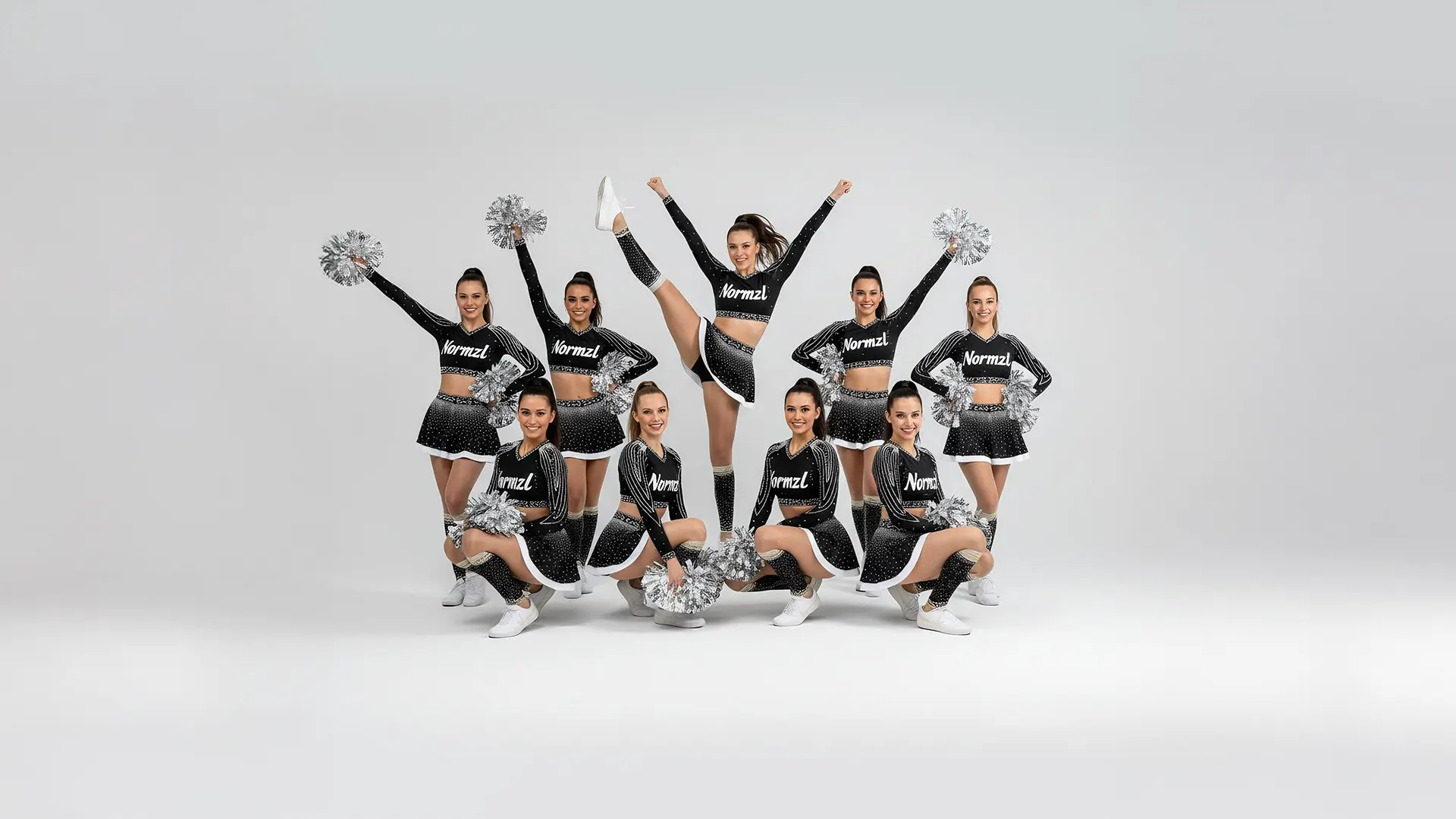
A majorette routine is not a standing pose. Where practical and safe, ask the intended wearer to perform representative movements from the team’s routine, and watch what the garment does. Look for restricted reach, a top that lifts or shifts, openings that gap, or decoration that interferes with a spin or a toss.
Begin with controlled, low-risk movements that represent the uniform’s intended use. Increase the range gradually only when the wearer feels comfortable, and follow the team’s normal coaching and safety procedures. Watch the garment return to position after each motion, which shows whether it recovers or creeps.
Record what you see against specific movements rather than a general impression. Wearer feedback is subjective by nature, so pair it with a note on which movement caused which problem. That turns a feeling into a revision request the next sample can be checked against.
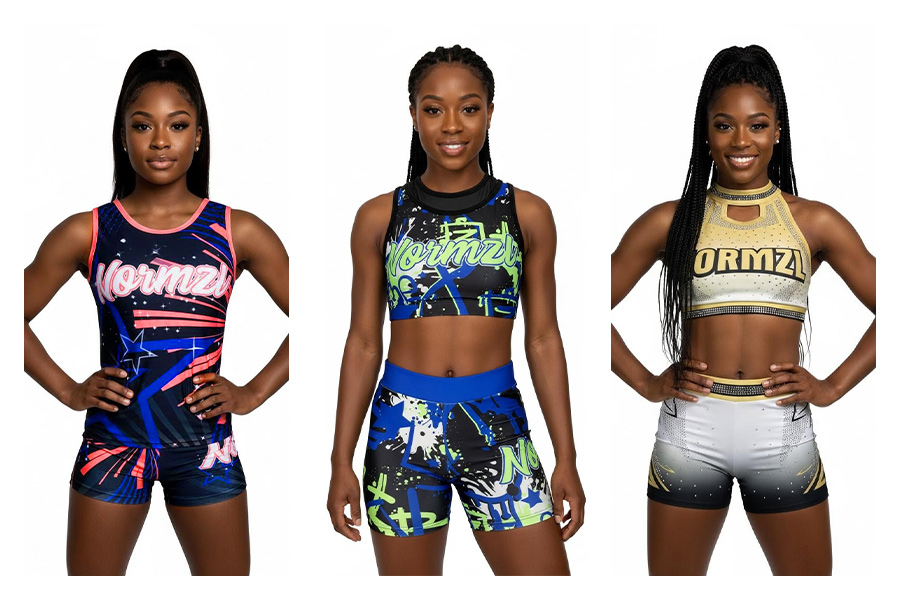
If the team is still selecting a silhouette, review NORMZL’s majorette dance uniform collection before choosing which design to sample. Movement performance should be evaluated on the actual sample rather than inferred from product images. Ask the wearer to note any pinching or rubbing the moment it starts, not only at the end.
Are the Fabric and Construction Details Correct?
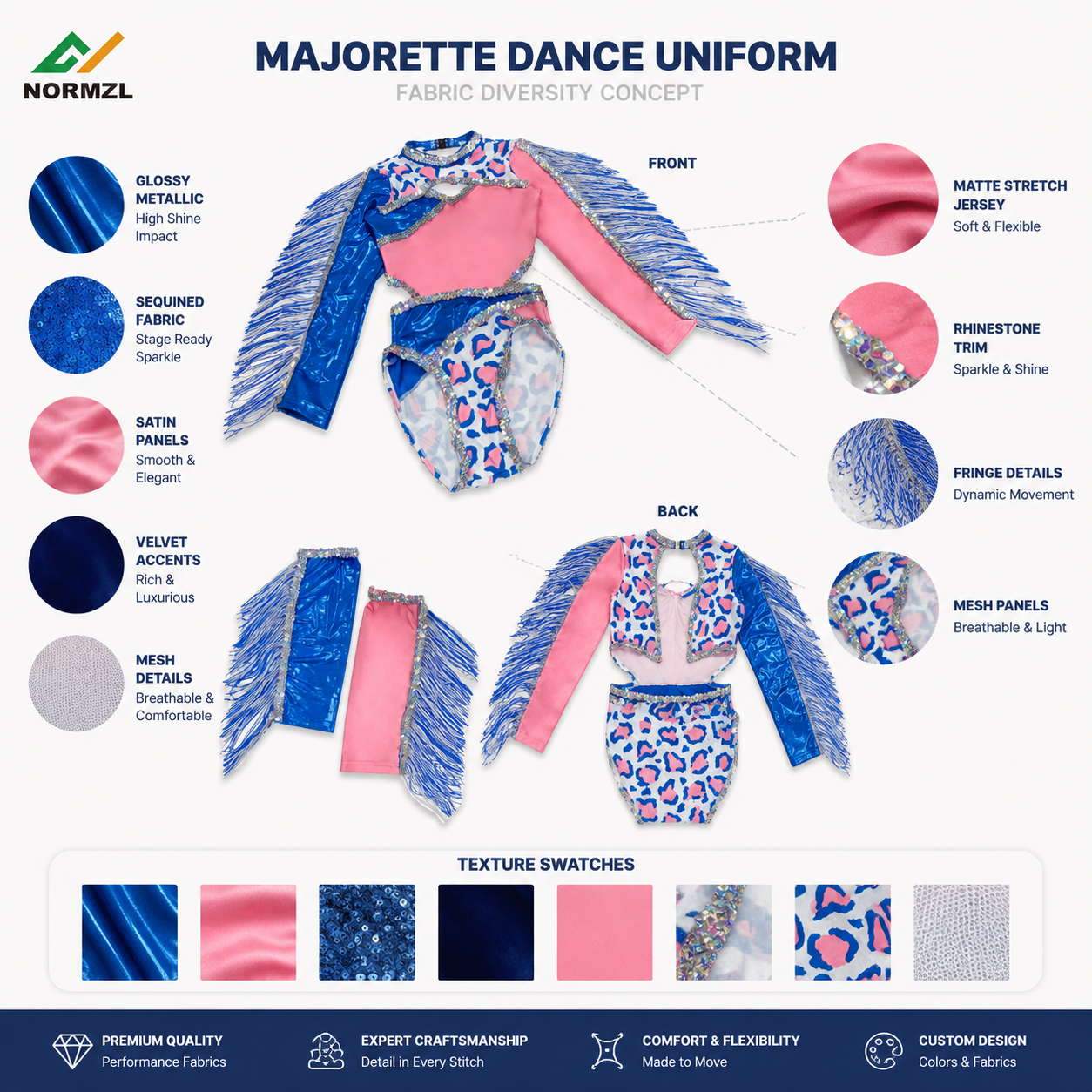
Compare the sample with the fabric description, swatch, color reference, or specification previously confirmed with the supplier. Visual and hand-feel checks can identify obvious differences, but they do not verify fiber content, 生地の重さ, ストレッチパフォーマンス, or laboratory values. Describe your observations against the approved reference, not against a lab claim this article cannot verify for your order. Note the direction of any difference in a way the next revision can be measured against.
Then inspect construction: 縫い目, edges, panel joins, closures, and overall finishing. The ASTM D6193 standard practice may be used as a reference for stitch and seam terminology. Linking to the standard does not show that NORMZL or the reviewed garment has been tested or certified to it.
の majorette uniform craftsmanship and care guide explains how these details are typically built. Compare seams, edges, panel joins, closures, and visible finishing with the approved construction notes or reference sample, where one exists. Record visible inconsistencies without assigning a strength grade or durability result that has not been tested.
Are the Decorations and Logos Correctly Positioned?
Review decoration as a separate part of the sample approval. Check rhinestones, スパンコール, フリンジ, 刺繍, ロゴ, 名前, and numbers for spelling, orientation, 色, placement, and consistency with the approved artwork. Record visible differences such as a mirrored logo, incorrect letter order, uneven spacing, or a misplaced decorative element before bulk production is approved.
Inspect the decoration both at close range and from a representative viewing distance. Lighting and distance can change how rhinestones, metallic thread, reflective trims, and dense decoration appear. Use the approved artwork and documented placement points as the reference rather than relying on a general impression. Appearance checks can confirm the layout, but they should not be presented as proof of adhesion, wash resistance, or long-term durability.
How Should Revisions and Final Approval Be Recorded?
If the sample needs changes, make each revision clear and traceable. Photograph the relevant area, mark its location, assign a number to the issue, and describe both the observed problem and the requested result. Keep the same reference number in later messages so both sides can follow whether the issue has been resolved. Attach the corresponding artwork, specification, or reference image when it helps clarify the intended result.
大量生産前, confirm the approved sample version in writing, including the design, fit direction, 材料, 工事, and decoration covered by the approval. Confirm the full team sizing data separately through the final roster and size-list process. Record each check as Pass, Revise, or Pending in an approval log. If another review is required, confirm whether it will use a revised physical sample, updated photos, or written supplier confirmation, and agree on the next review date.
Log every check as Pass or Revise, with a numbered photo reference, so the next sample is measured against a record rather than a memory.
A revised or second sample may be needed when the first sample requires material changes. Confirm with the supplier whether another physical sample, updated photos, or written confirmation will be used for the next review. When every required check is resolved, confirm the final approval scope and production version with the supplier in writing.
To move to production, share the approved mock-up and this revision log with ノルムツル so each change is confirmed before the order enters bulk. Track how many rounds a style has taken, because a design that keeps reopening the same point may need a drawing change rather than another sample. Save the final approval record with the log, so the receiving team checks delivery against the same version.
よくある質問
Can you order a majorette uniform sample before bulk production?
A pre-production sample may be available, depending on the design, order requirements, cost, and production arrangement. Ask the supplier to confirm whether sampling is required, what the sample includes, and whether another sample is needed after revisions. Sampling arrangements differ between designs and orders, so the supplier’s written answer is the starting point.
What should be checked on a custom uniform sample?
Run separate checks for design match, fit on the intended wearer, comfort under movement, fabric and construction, and decoration and logo placement. Judge each against your written references rather than a first impression. Keeping the categories apart makes a problem easy to locate and turn into a specific, checkable revision.
Should the sample be tested during the team’s normal movements?
Where practical and safe, yes. A majorette uniform is worn in motion, so representative movements from the routine reveal issues a static try-on does not. The motions that matter belong to your team and the style you chose, so the wearer’s notes should follow your routine rather than a general test standard.
How should sample revisions be communicated?
Use annotated photos that mark each issue location, number every revision point, and state the current problem alongside the desired result. Written, numbered, photo-referenced notes give the factory an executable instruction and give you a way to verify each fix on the next sample. Photograph the revised sample against the same numbered list, so each fix is visible.
What must be approved before bulk production starts?
Confirm the design, the fit direction, the materials, the decoration, and the sizing data, all in writing, before production opens. Keep that approval on record so the delivered order can be measured against it. Treating sign-off as a formal step, not a passing message, is what protects the team from avoidable surprises.
最終的な考え
A disciplined majorette uniform sample review should be clear, repeatable, and tied to written references. Record each relevant revision with numbered notes and annotated photos, then confirm the final production version in writing. Keep the approved sample record with the separate team size list so the delivered order can be checked against the same references.