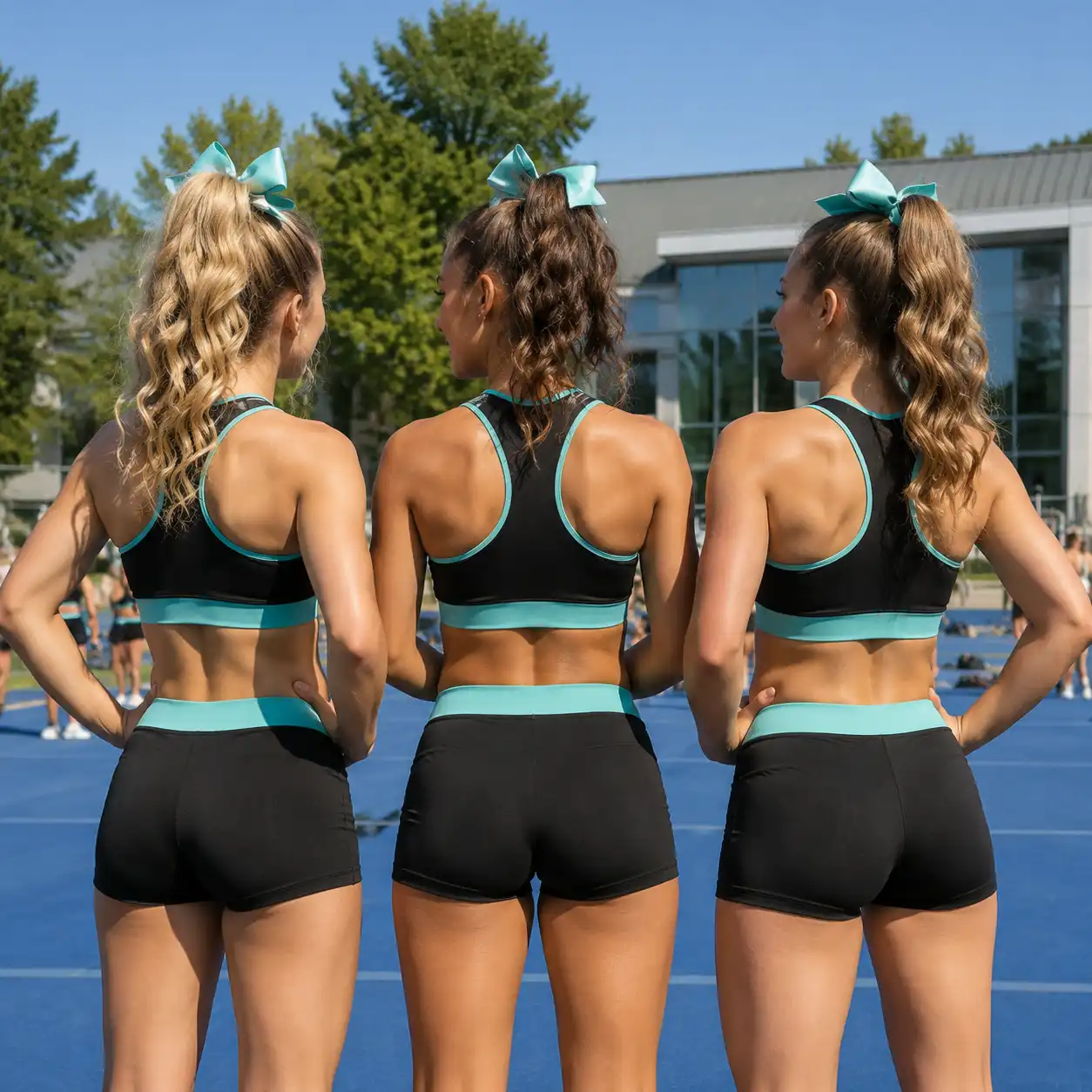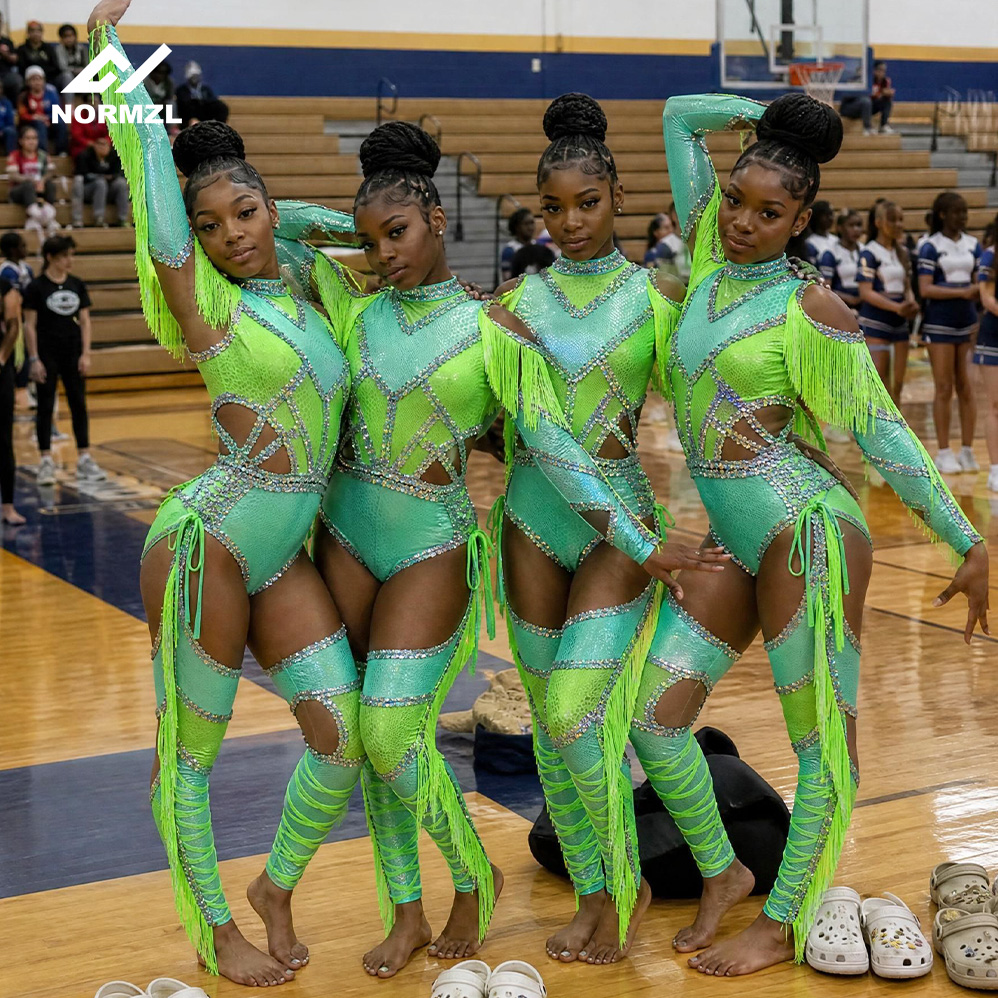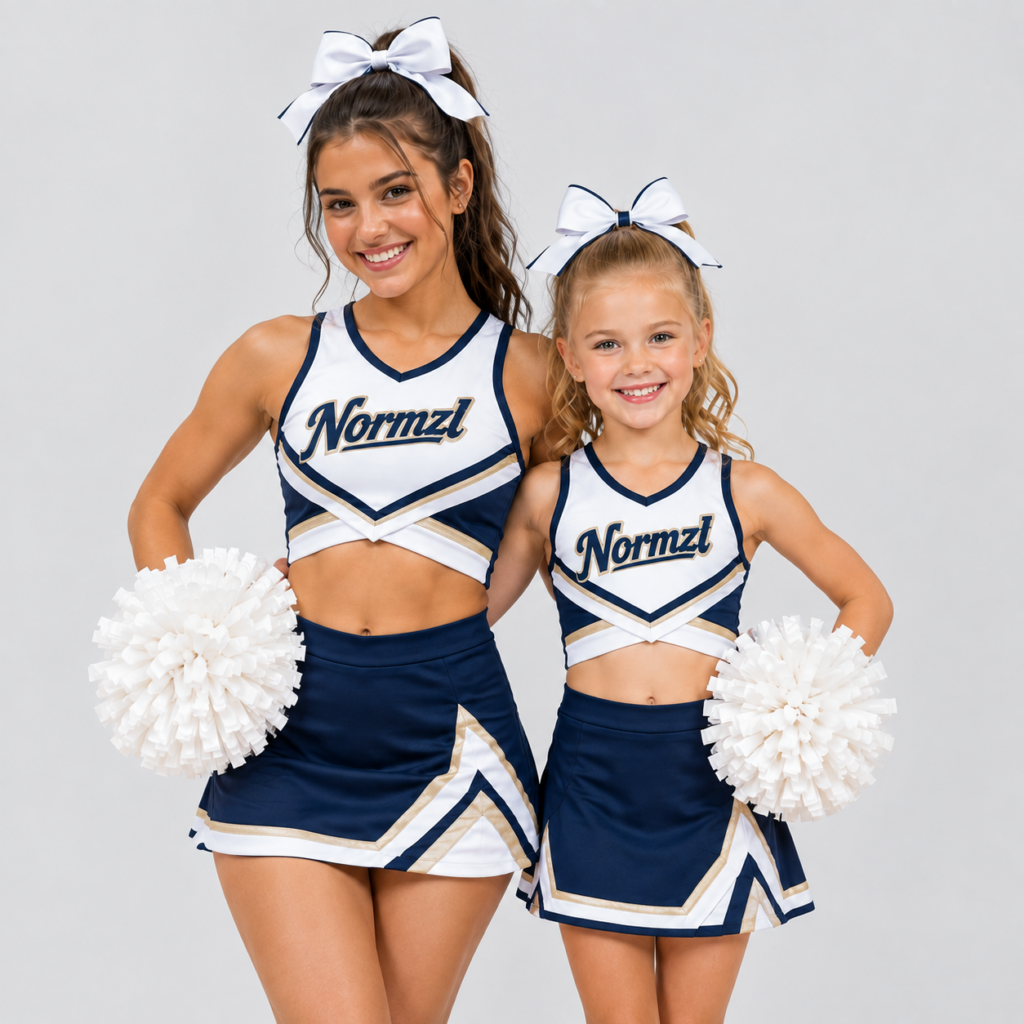





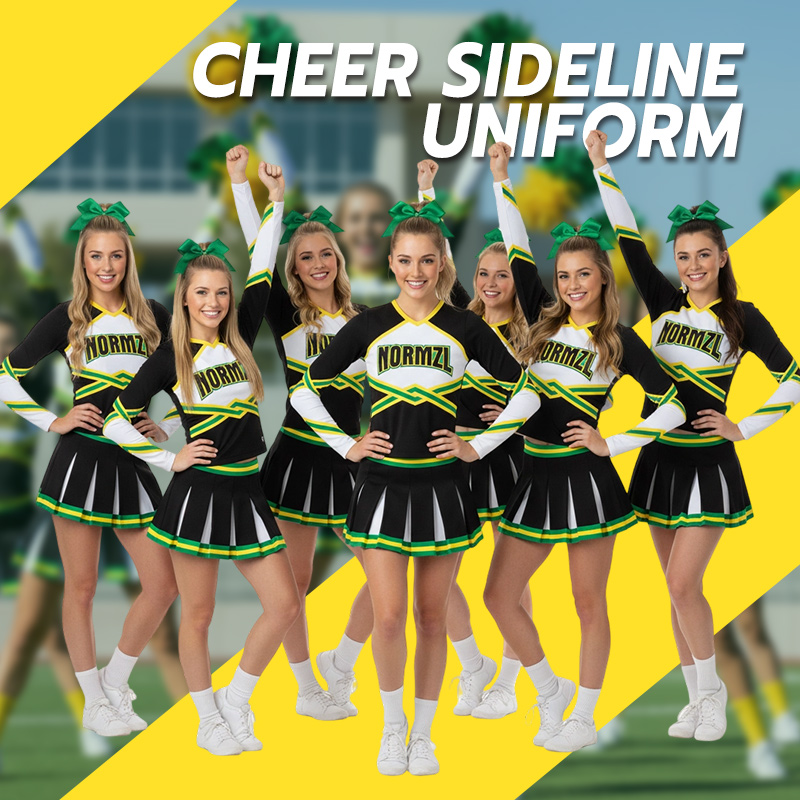

Training camp is one of the most gear-intensive weeks in a cheer team’s calendar. Between early-morning conditioning, afternoon stunting drills, and evening team activities, athletes go through clothing faster than during a regular practice season — and packing mistakes show up fast on the mat.
This checklist covers what each athlete needs, how many outfits to bring, what works for each camp activity, and what coaches should include in a bulk team order. Save it or share it with your squad before camp week.
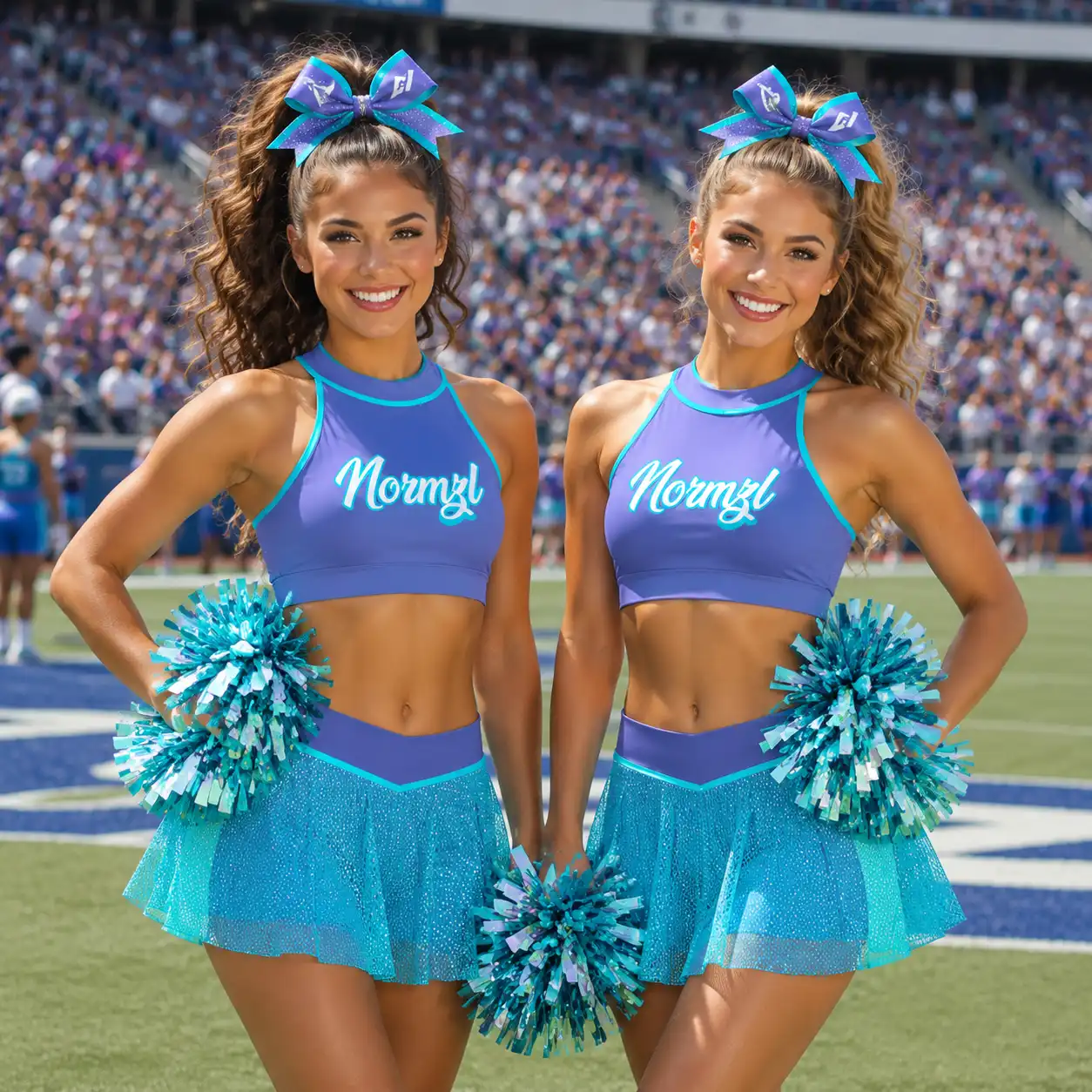
Quick Cheer Camp Packing Checklist
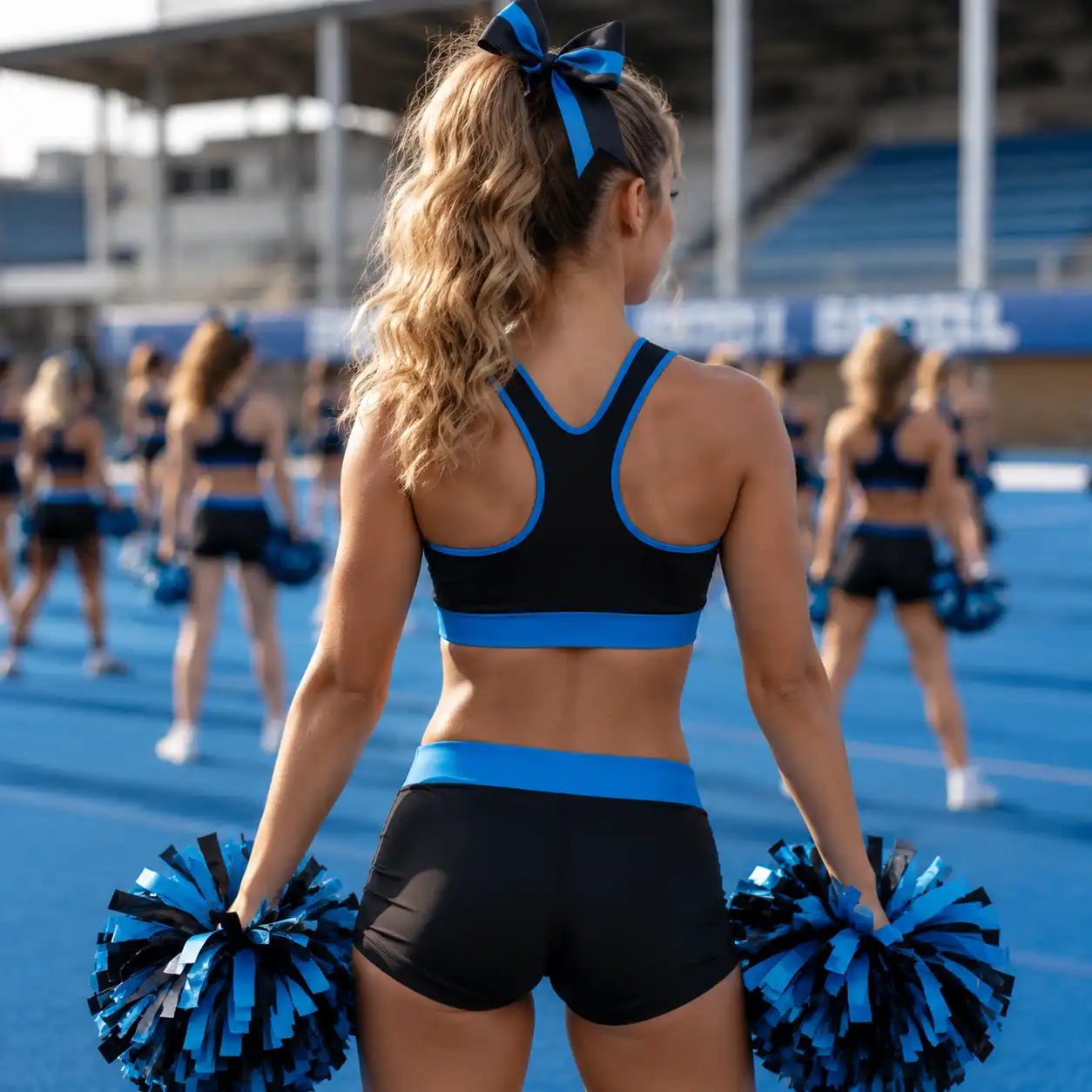
A complete camp kit covers training, rest, and everything between. Use this as a per-athlete packing reference:
Training wear
Daily practice outfits (tank + शॉर्ट्स): one per training day, plus one backup set
Jacket or warmup top for morning sessions and cool-downs
One pair of clean training shoes plus socks for each training day
Accessories and personal items
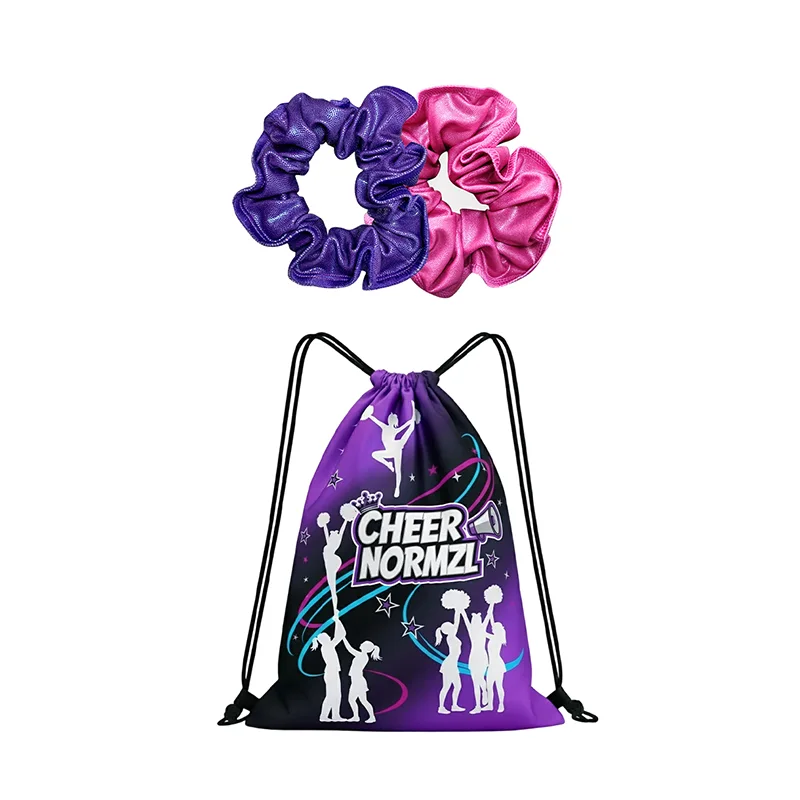
बालों के साजो - सामान: scrunchies, elastic bands, pins
Team T-shirts for theme days and group photos
Sleepwear and off-duty clothes for evening activities
Laundry bag and water bottle
Protective and support gear
Knee pads, ankle braces, or wrist guards as required
Sunscreen and a lightweight hat if any sessions run outdoors
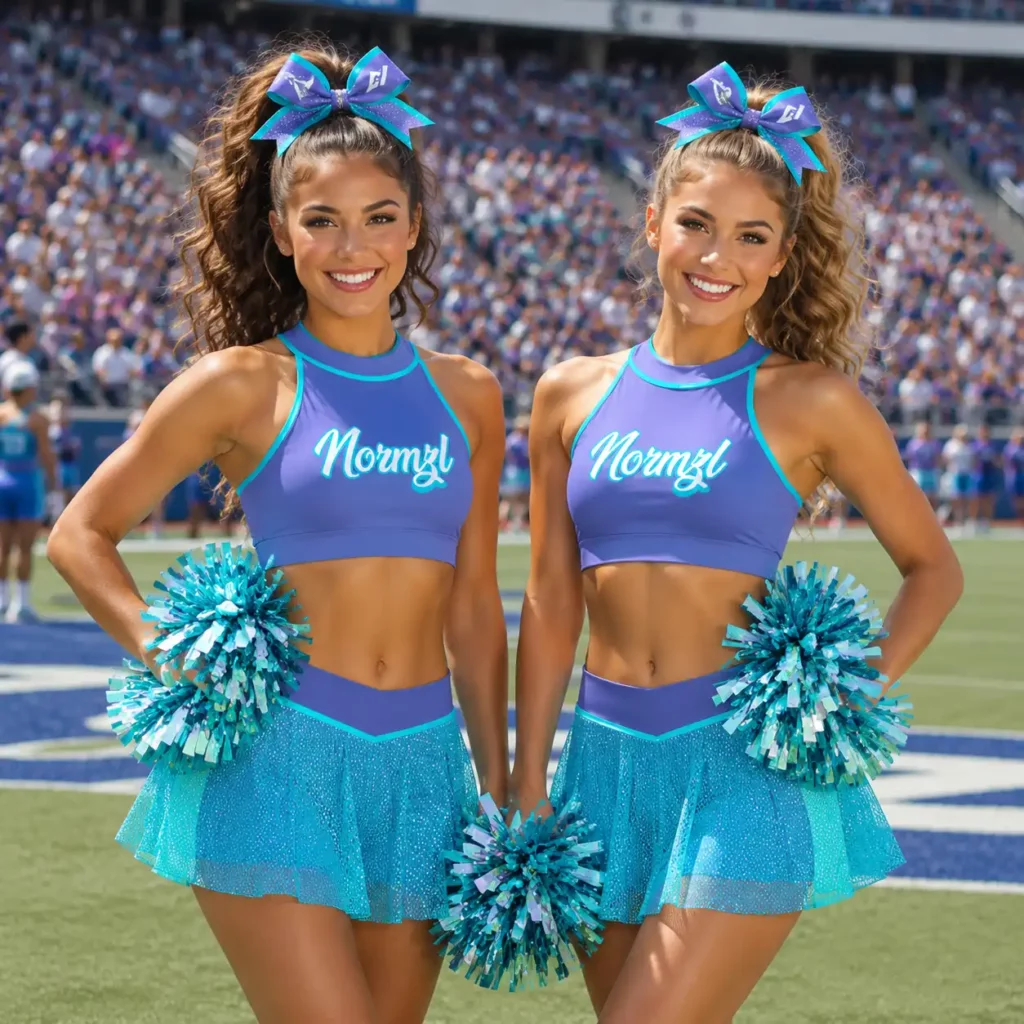
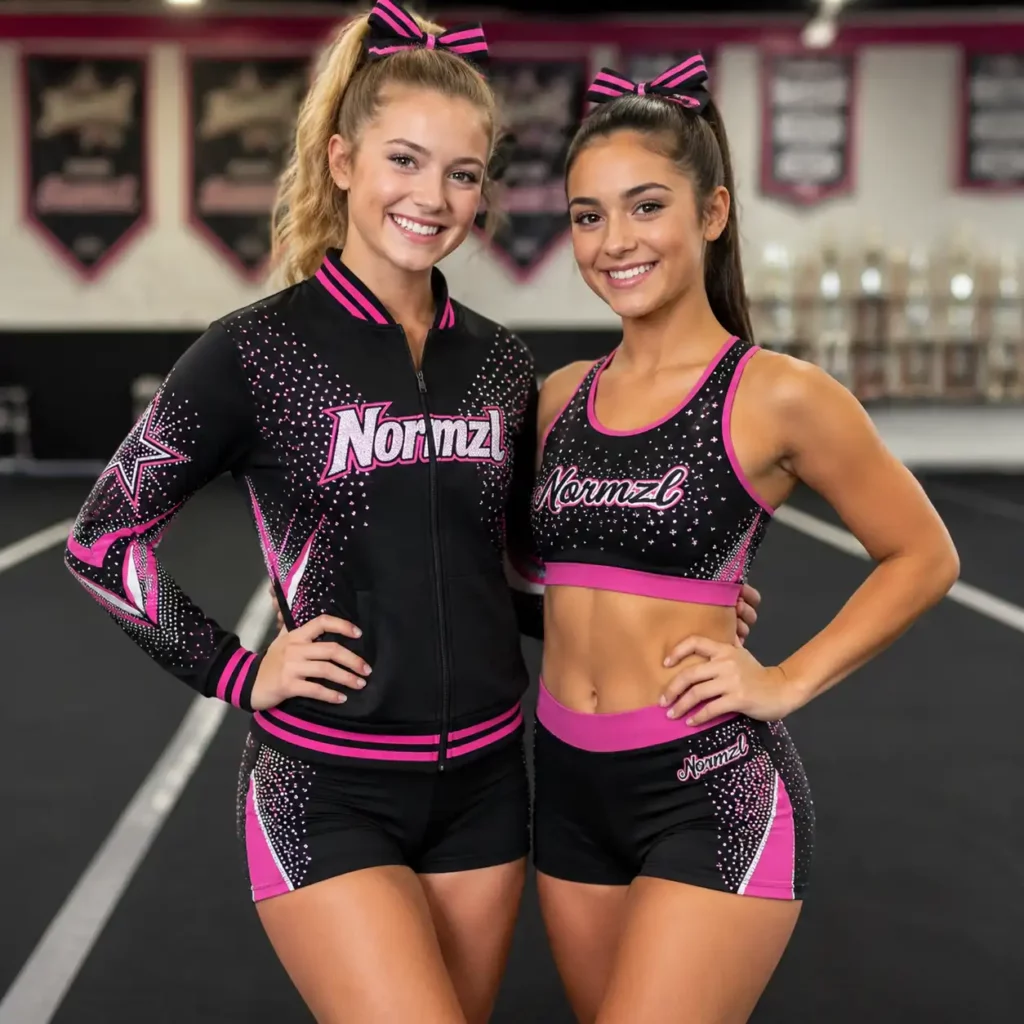
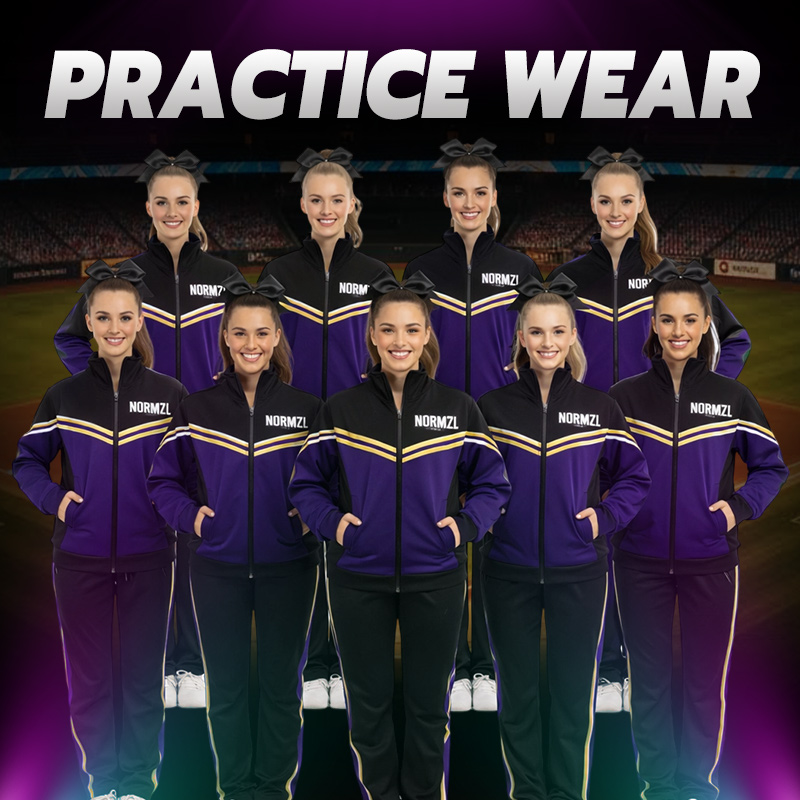
The अभ्यास & कैंप वियर category at Normzl covers coordinated tank-and-short sets built for multi-day camp use.
How Many Practice Outfits to Pack
The working formula is straightforward: Training days + 1 backup set.
If camp runs five days with one session per day, pack six complete outfits — five daily plus one spare. A torn seam, a stubborn stain, or a missed laundry window can leave an athlete without a clean kit mid-camp.
When the schedule includes two high-intensity sessions per day — common at summer camps with morning conditioning and afternoon skill work — add extra tops and shorts. Athletes typically change into a fresh top between sessions. A reasonable estimate for two-a-day camps: two to three tops and one to two shorts per athlete per day, plus the backup set.
For camps of five days or more, plan around one mid-camp laundry cycle. Confirm laundry access with the venue before finalizing numbers.
What to Wear for Each Camp Activity
Camp schedules mix activity types, and each places different demands on what the athlete wears.
टंबलिंग. Fitted tank tops with no zippers or hard trim. Mid-thigh shorts or leggings with a stable waistband. The coach needs to see body alignment during passes, so the garment should not shift during rolls and handsprings.
स्टंटिंग. Fitted tops with smooth fabric surfaces — no rhinestones, raised embroidery, or protruding decorations that can scratch a teammate during lifts and catches. Compression shorts that stay in place under a standing flyer’s foot. USA Cheer’s safety resources note that proper attire reduces injury risk during stunting activities (Safety Guidelines, USA Cheer).
Conditioning. लाइटवेट, moisture-wicking tops and shorts. The fabric should pull sweat away from the skin and dry between drills. Avoid cotton, which holds moisture and becomes heavy during extended cardio work.
नृत्य. Fitted crop tops or tank tops paired with dance shorts, bike shorts, or briefs over leggings. The hem should have a clean edge that does not interfere with footwork.
Team-building and evening activities. Casual camp clothes — team T-shirts, joggers, or relaxed shorts. These sessions are lower intensity but still benefit from coordinated team wear for group identification and camp photos.
A single fitted tank and mid-thigh short covers tumbling, स्टंटिंग, and conditioning. Dance may call for a separate bottom.
Hot-Weather and Outdoor Camp Clothing
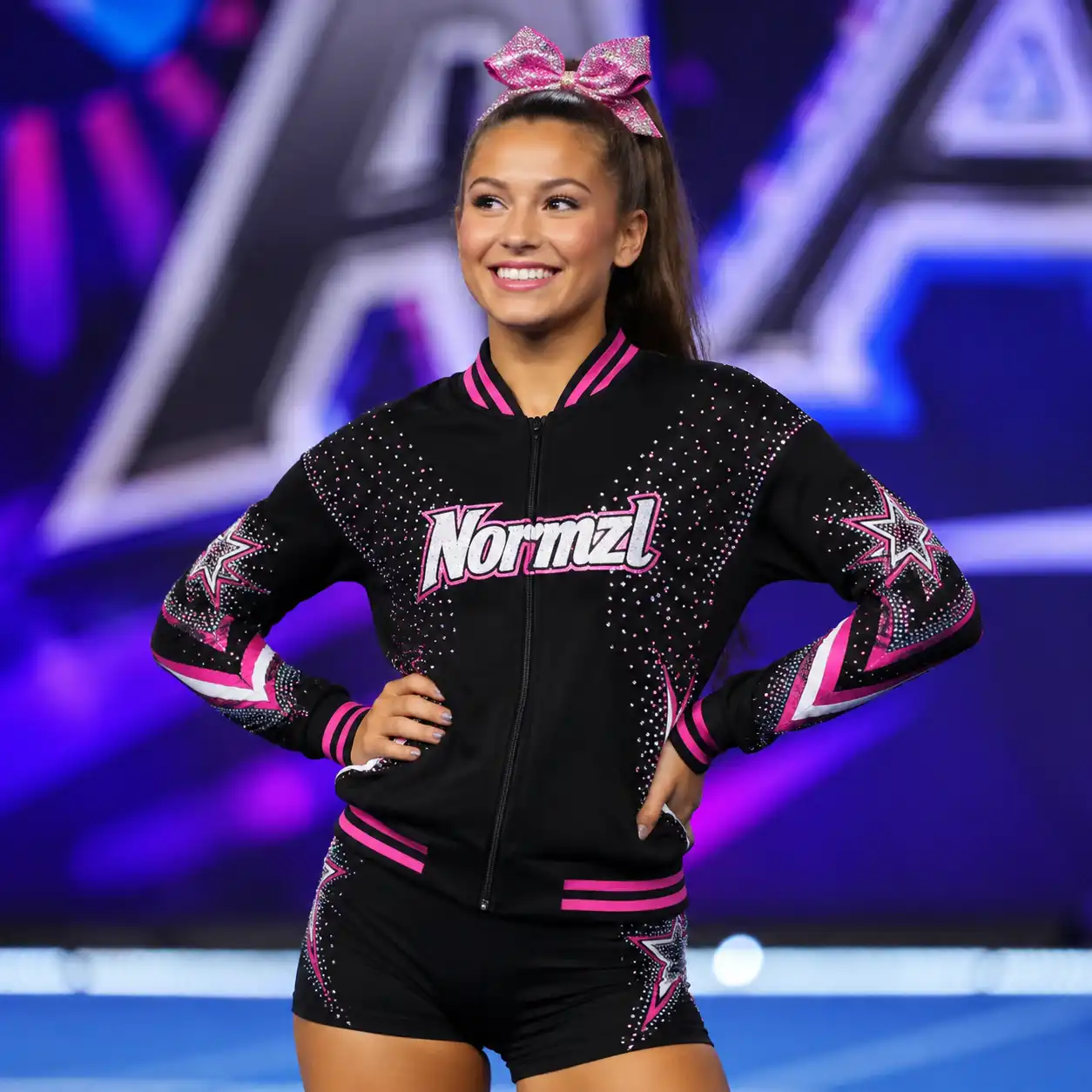
Summer camps often push training outdoors, and the clothing choices directly affect how athletes handle heat.
Quick-dry fabric is the baseline requirement. Polyester blends that move moisture to the outer surface for evaporation keep athletes cooler through a full outdoor session.
Light-colored training wear reflects heat rather than absorbing it. सफ़ेद, light grey, and pastel team colors are practical for outdoor camp weeks.
Sun protection accessories. A lightweight, breathable hat for outdoor sessions. Sunscreen should be part of every athlete’s camp bag, reapplied between sessions. The American Academy of Dermatology recommends broad-spectrum sunscreen with SPF 30 or higher for outdoor athletic activities (Sunscreen Tips, AAD).
Extra socks and tops. Outdoor sessions produce more sweat than indoor gyms. Extra socks reduce blister risk; extra tops let athletes change between sessions.
What to avoid. Heavy cotton T-shirts, thick fleece warmups, and dark outfits with no ventilation. For cooler morning sessions, a lightweight warmup jacket that athletes can remove once training starts is a more practical layering option than a heavy hoodie.
Team Spirit and Theme-Day Outfits
Most camps build theme days into the schedule — team color day, matching sets day, spirit wear day. These help staff identify team members in a shared facility and produce better group photos.
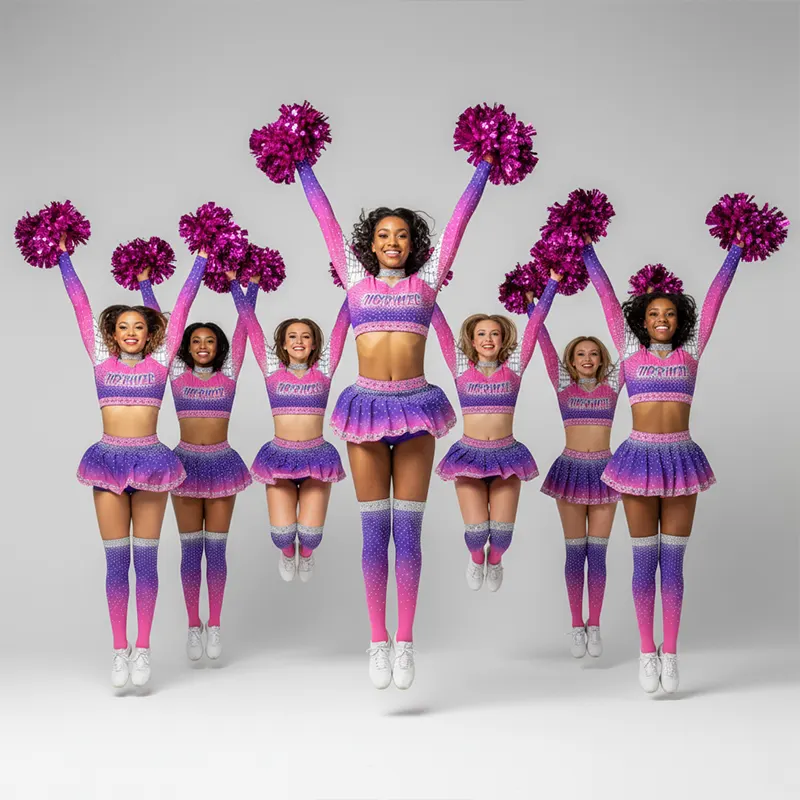
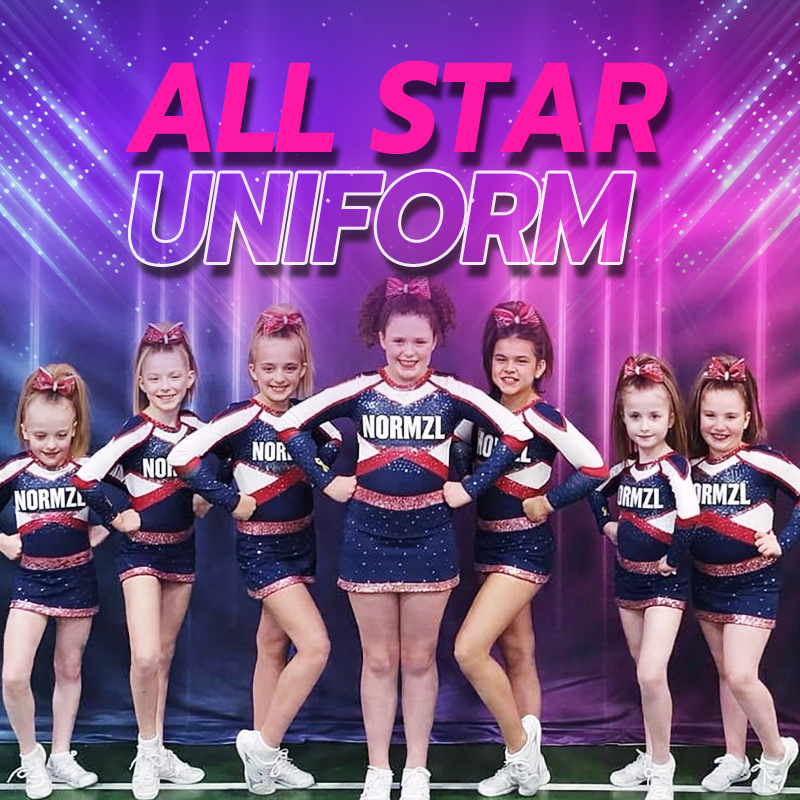
Team color day. Matching tanks and shorts in school or team colors. Coordinated sets make the squad visible across a crowded gym and simplify headcounts.
Matching sets. A coordinated look signals team identity. When multiple squads train at the same camp, it helps athletes, डिब्बों, and parents find each other quickly.
Team T-shirts. Custom T-shirts with the team name, camp year, or athlete names serve double duty as spirit wear and group identification. For bulk orders, कस्टम जयकार परिधान with sublimated or heat-pressed names keeps the decoration flat and durable through camp laundering.
Coach clothing. Coaches should order their own camp wear in a color or style that distinguishes them from athletes. A different jacket color or a staff T-shirt helps athletes locate their coach in a multi-team camp setting.
Photo and social media use. Camp week produces a high volume of team photos and video content. Coordinated camp wear ensures the squad looks unified in every shot — a detail that matters for program recruitment and parent communication.
Labeling and Organizing Camp Wear
Camp bags hold multiple outfits, जूते, और सहायक उपकरण. Without a labeling system, mix-ups are common when two or more teams train at the same venue.
Label every item. Use permanent marker on the care tag, iron-on name labels, or heat-pressed names at the order stage. जूते, water bottles, and jacket linings should all carry the athlete’s name.
Bag outfits by day. Some teams pre-pack each day’s outfit in a separate drawstring bag labeled with the day number. This prevents an athlete from pulling out Wednesday’s shorts on Monday morning.
Wet and dry separation. A dedicated wet bag keeps sweat-soaked gear separate from clean items and prevents mildew smell from spreading through the camp bag.
Accessories in separate bags. Hair ties, धनुष, knee pads, and ankle braces are small enough to get lost at the bottom of a gym bag. A small zippered pouch keeps them together and accessible.
These steps reduce time spent searching for gear and lower the rate of lost items when a team of 20 or more athletes shares a camp cabin.
Coach’s Bulk Order Checklist
For coaches ordering camp wear for the full roster, the packing list becomes a procurement list:
Current roster with athlete names and sizes. Collect individual size confirmations rather than estimating from last season. Athletes grow between seasons, और size charts vary by manufacturer.
Sets per person. Based on camp length and session frequency, calculate the number of tank-and-short sets each athlete needs.
Backup quantity. Order at least one extra set per size group, or a pool of 3–5 backup sets in the most common sizes.
Coach and staff wear. Order distinct tops or jackets for coaching staff so they are visually separated from athletes during camp.
Delivery timeline. Confirm the production lead time and ship date against the camp start date. For custom orders, sampling approval adds time before bulk production begins.
Packing requirements. Request individual poly-bag packing with each athlete’s name and size printed on the bag. This speeds up distribution on arrival.
Confirm the size chart, fabric specification, and delivery timeline against the camp schedule before finalizing.
अक्सर पूछे जाने वाले प्रश्नों
How many outfits should I bring to cheer camp?
Use the formula: training days + 1 backup set. If the camp schedule includes two sessions per day, add extra tops so athletes can change between morning and afternoon blocks. For camps of five days or more, plan around one mid-camp laundry cycle.
What should I wear on the first day of cheer camp?
A fitted tank top and mid-thigh shorts in moisture-wicking fabric. Bring a warmup jacket for the morning warm-up if the session starts early. Wear broken-in training shoes — camp is not the time to test a new pair.
Can I wear loose T-shirts at cheer camp?
Loose T-shirts work for conditioning and casual evening activities but are not suited to tumbling or stunting. A loose top shifts during inverted movement and can ride up when a base raises their arms overhead. If the team prefers a T-shirt, choose a slightly fitted cut with a hem that stays below the hip.
What should coaches order for a team camp?
Start with the roster and each athlete’s confirmed size. Calculate sets per person based on camp length, add backup sets in common sizes, and include distinct coach wear so staff are visually separated from athletes. Confirm the delivery timeline against the camp start date and request individual name-labeled packing for fast distribution on arrival.
अंतिम विचार
A well-planned cheer camp wear list covers more than just practice outfits — it accounts for backup sets, activity-specific requirements, weather conditions, team spirit days, and the labeling system that keeps 20-plus athletes’ gear from mixing together in a shared camp facility. For coaches ordering in bulk, the procurement list starts with a confirmed roster and ends with name-labeled bags ready for distribution on day one.
Create Your Team’s Championship Look