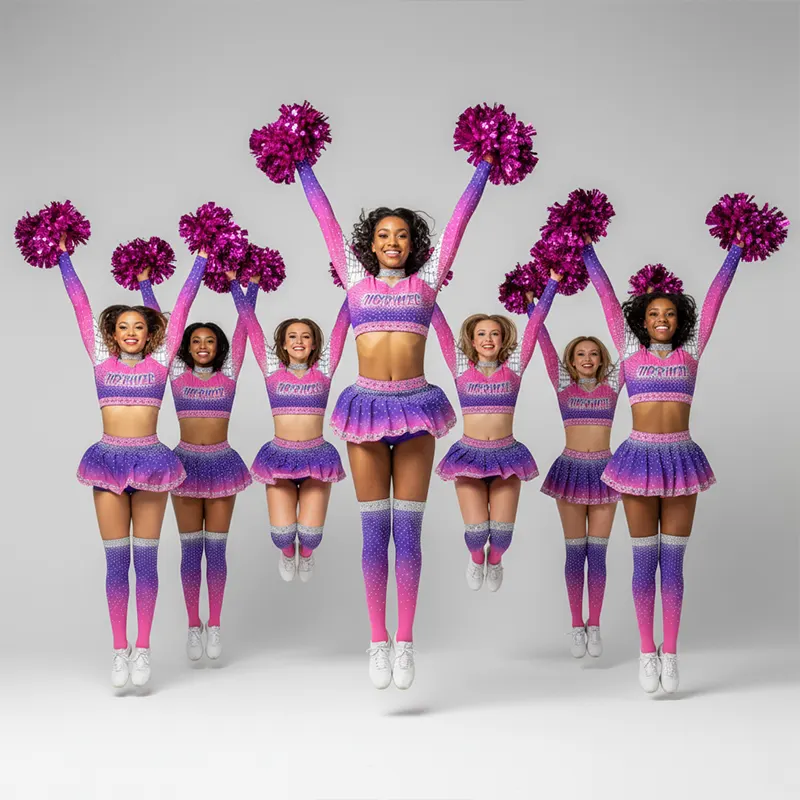
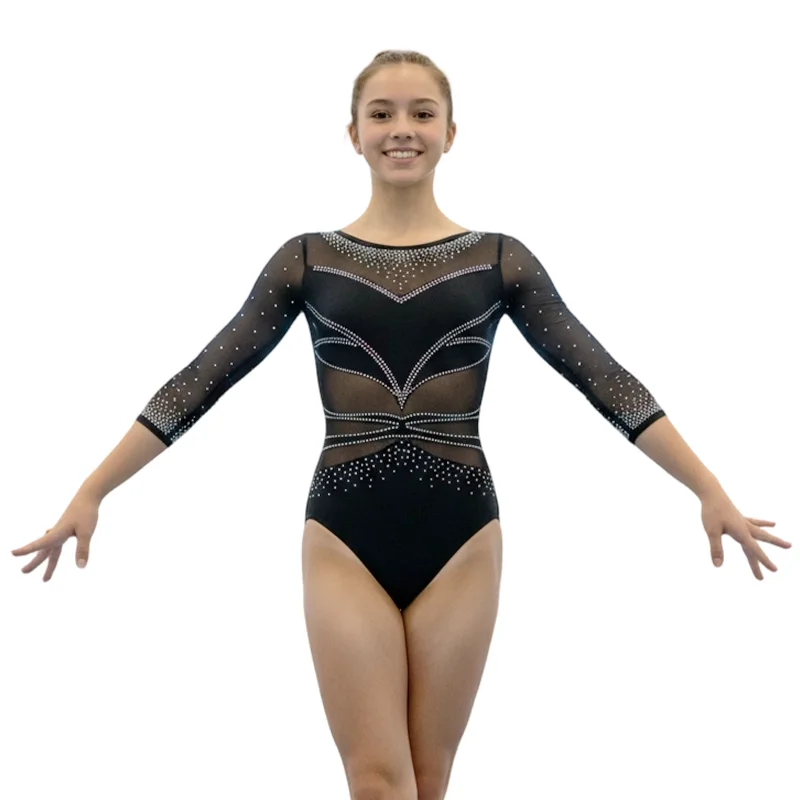
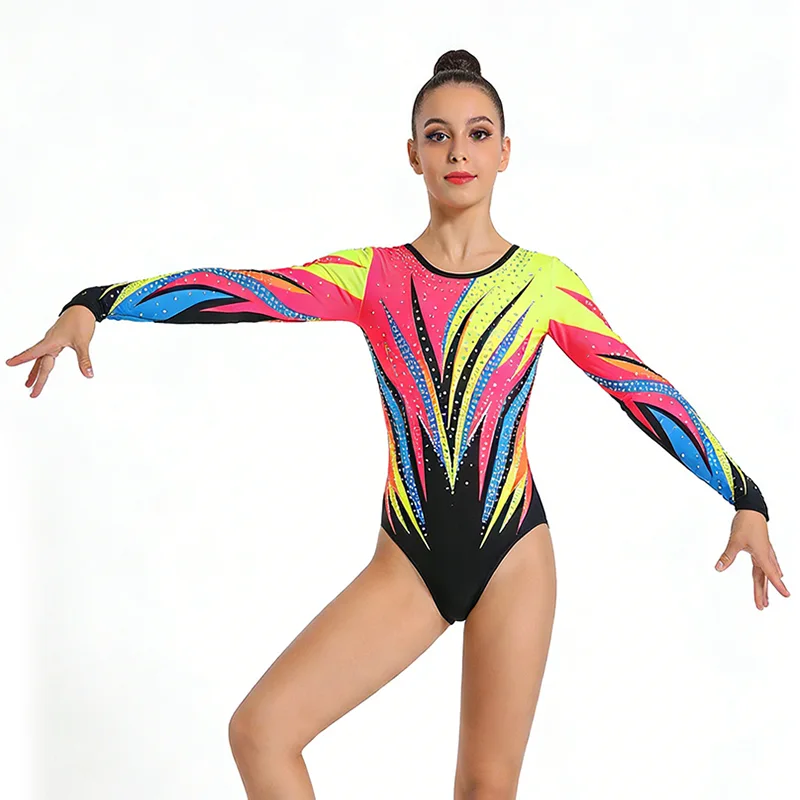






A team order becomes hard to manage when sizing information is collected through separate messages, mixed units, or incomplete roster notes. A structured size list turns that scattered data into one record a manufacturer can produce against. This guide walks through collecting, checking, and approving a size list for majorette uniform sizing, staying on the roster workflow rather than on the body-measurement steps NORMZL already documents. A consistent format also shortens back-and-forth, because the factory reads one table instead of reconstructing intent from message history.
Collect every member once, in one manufacturer-defined format, and approve it in writing before production. The list, not chat history, is what the factory produces against.
Why Do Majorette Teams Need a Size List?
A coach ordering uniforms for thirty members needs one approved record, not thirty separate guesses. The approved size list becomes the shared production reference for the team and manufacturer, and a clear reference both sides can review if questions arise later. Without it, small ambiguities in units, style versions, or fit notes multiply across the group. When a member joins or leaves mid-season, the list is the only place to log the swap, so the corrected quantity and the replacement size stay tied to one record.
Retail sizes do not carry cleanly into performance wear. A medium in a store top is not a medium in a competition cut, and the same label can sit differently across designs, fabrics, and decoration. Majorette uniform sizing follows the chart tied to the approved style, not the size each member happens to wear casually, which is where a structured list earns its place. A competition jacket fits through the shoulders and chest differently than a store hoodie, so a labeled size chosen from everyday wear can mislead even a careful coach.
What Should Be Confirmed Before Collecting Sizes?
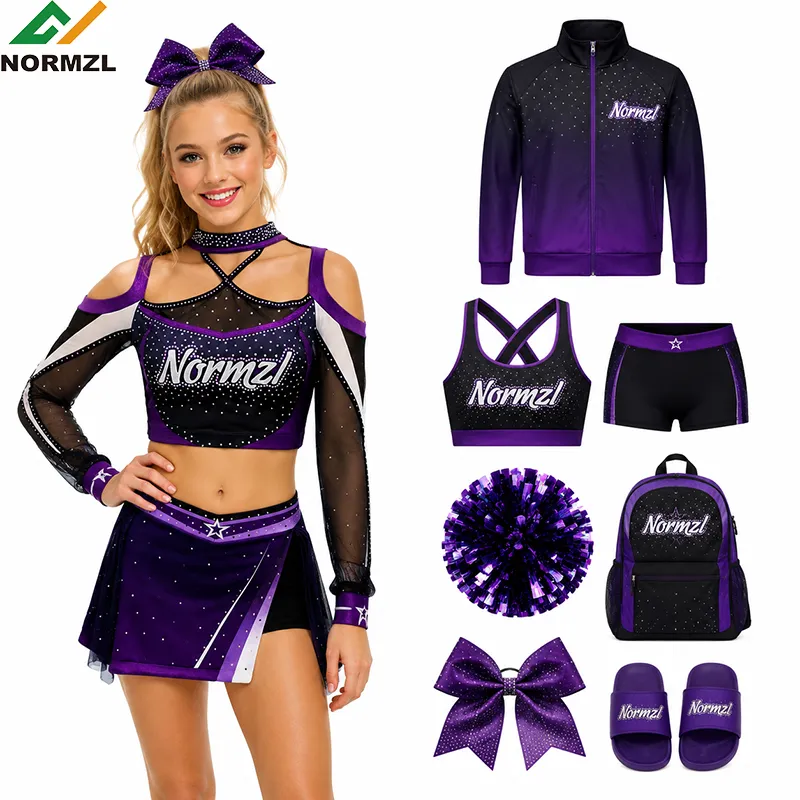
Settle a few points in writing before the first entry. Because majorette uniform sizing follows the approved garment, locking these details first saves the team from rebuilding the list later. Keep the supplier’s written confirmation attached to the list file, so the sizing reference stays traceable.
- Approved style version: the exact design and its production version, not a similar earlier mock-up.
- Garment pieces per person: top, bottom, shell, or full set, since each piece can size independently.
- Who wears the kit: youth and adult members often need different size runs inside one roster.
- Unit of measure: inches or centimeters, agreed once and held across every row.
- Manufacturer’s per-style requirement: the specific fields the factory needs for that design.
If any of these stays open, the list built under it inherits the ambiguity. For the measuring technique itself, NORMZL keeps a separate reference, its cheer uniform size and measurement guide. Use that guide to learn how a measurement is taken, and keep this article on how the team’s data is collected and approved.
Standard Sizes or Individual Measurements?
Teams usually collect one of two kinds of data. Standard sizes ask each member for a labeled size, such as youth small or adult medium, chosen against the manufacturer’s chart for that specific style. Individual measurements record the actual body numbers the manufacturer requests for a fitted design.
Some team orders may use standard sizes, individual measurements, or a combination of both. The correct format depends on the approved style and the manufacturer’s sizing process. Ask the supplier to confirm which information is required before collecting data from the roster.
Which Sizing Details Does the Manufacturer Need?
The required fields depend on the selected style and the manufacturer’s sizing process. Do not assume that every garment uses the same measurements or grading method. Ask the supplier to provide the required column names and instructions before the team begins collecting data.
Keep youth and adult rows separated, or tag each row with its size run. A youth medium and an adult medium are different garments rather than one size scaled up. Write the style version into the header of the list itself, not only in your notes. When a member has a special fit situation, record it in a notes field.
A taller build or a preference for a roomier cut should read to the manufacturer as an instruction, not a blank default. Name one owner for the list so late verbal updates reach a single person before they reach the sheet. Give that owner a fixed update window, so changes stop before the list ships.
How Should You Organize a Team Size List?
Build the list so that one member equals one row. A row per person ties every garment piece, measurement, and note to a single name and prevents the crossed columns that grouped lists create. Keep a stable identifier such as a roster number, and add a status column so you can see at a glance whose entry is still unconfirmed. Freeze the header row and limit editing access after the entries have been checked, so column names and approved data are not changed accidentally.
The template below shows a column layout a team can adapt. The rows are examples of how such a list may be organized, not NORMZL size recommendations. Fill the measurement fields with the exact data the manufacturer requests for the approved style. Keep the column order identical to the template the factory sends back, so the returned sheet maps row for row onto the production file.
One row per member, one declared unit, and a status flag turn a scattered roster into a list the factory can produce against.
Once the columns match your supplier’s requirements, the list is ready to fill and check. If the team has not yet confirmed which style to order, review NORMZL’s custom majorette uniforms to lock the specific garment your size list applies to. A finished list keyed to one named style removes the ambiguity that later shows up as a wrong fit.
Unleash Your Team’s Championship Look
How Can You Check the List for Errors?
A size list fails quietly, right up until production. Scan for empty cells first, since a blank size or blank status is the most common error and the easiest to miss on a long roster. Then look for duplicate names, because two members who share a name can merge into one order line.
Count the rows against the current roster so nobody was dropped or added after the headcount. Have a second person re-read the finished rows against the roster; a fresh eye catches the transposed digit or skipped line that the original collector stops seeing. A final review helps keep majorette uniform sizing data consistent before the list reaches production. Confirm the roster is current before the list leaves the coach’s hands.
Watch the units. Mixing inches and centimeters inside one column corrupts every row below the switch, which is why a list needs one declared unit. The National Institute of Standards and Technology (NIST) documents these units of SI length measurement as a neutral reference. Review any unexpected difference between top and bottom sizes, but do not assume it is an error. Confirm the entry with the member and retain it when the measurements support that combination.
What Should Be Approved Before Production?
Treat approval as a formal step, not a passing message. Before production starts, confirm five things against the finished list. Check the member names or IDs, the total quantity, the approved style version, every size entry, and any special fit notes.
When those five all match, record a written approval and keep it on file. That written approval gives both sides a clear reference to review if questions arise later. Store the approved list and the written sign-off together, dated, so a later question has one answer instead of a search through old messages.
If a size must change after approval, contact the supplier before assuming the edit is free. A late change may affect the production arrangement, timing, or cost, depending on whether cutting or other production steps have started. Ask the supplier to confirm whether the requested change can still be accepted.
The safer plan is to approve one accurate list at the outset rather than to build an order around planned revisions. Confirm the change in writing and note the revised cut-off date, so the whole team sees the same deadline for the corrected entry. File the final dated list with the written approval once the run closes.
When the list is complete, send the approved style, the team roster, and the collected data to NORMZL to confirm the correct format for your project. Share the roster format your factory prefers, so the first draft already matches their production sheet. For the wider picture of how these kits move from a sketch to a shipped set, read the complete guide to custom majorette dance uniforms.
Frequently Asked Questions About Majorette Team Size Lists
How do you choose a size for a majorette uniform?
Choose against the manufacturer’s chart for that specific style, not against everyday clothing sizes. Uniform labels can sit differently across designs, so confirm whether the style uses standard sizes or individual measurements, then enter each member on that basis. Note any special fit need in the same row so the manufacturer sees it as an instruction.
Should every team member provide individual measurements?
Only if the approved style requires it. The right answer follows the manufacturer’s grading for that design, not a general rule of thumb. Ask the supplier before collecting data from the whole team, so the format you use matches the way the factory builds the garment.
Can youth and adult sizes be included in one team order?
Yes, a single order can mix youth and adult members. Keep the two groups clearly tagged in the list, because a youth medium and an adult medium are different garments, not one size scaled up. Separating the runs by row or label helps the manufacturer fill the order accurately and reduces the chance of a member receiving the wrong fit.
How do you avoid errors in a team uniform size list?
Build one row per member with a stable ID, then run a check pass before sending. Look for empty cells, duplicate names, mixed inches and centimeters, unexpected top-and-bottom differences that need confirmation, and outdated roster entries. A short verification against the current headcount catches most problems before they reach production.
Can sizes be changed after the list is approved?
Sometimes, but treat it as an exception. A late change may affect the production arrangement, timing, or cost, depending on whether cutting has started. Ask the supplier before assuming an edit is simple, and aim to approve one accurate list at the outset rather than planning on revisions.
Final Thoughts
A clean, checked, and formally approved size list is one of the simplest ways to reduce rework in a custom majorette order. Lock the style, collect what that style requires, verify the entries, and keep the approval on record before production opens. Then let every later question on the order trace back to that one approved record.