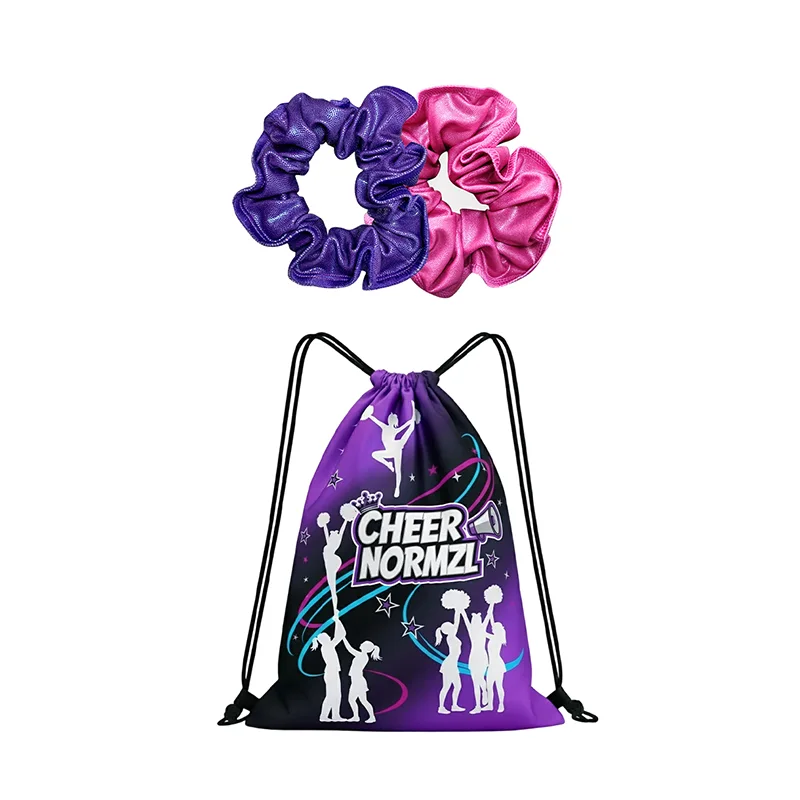




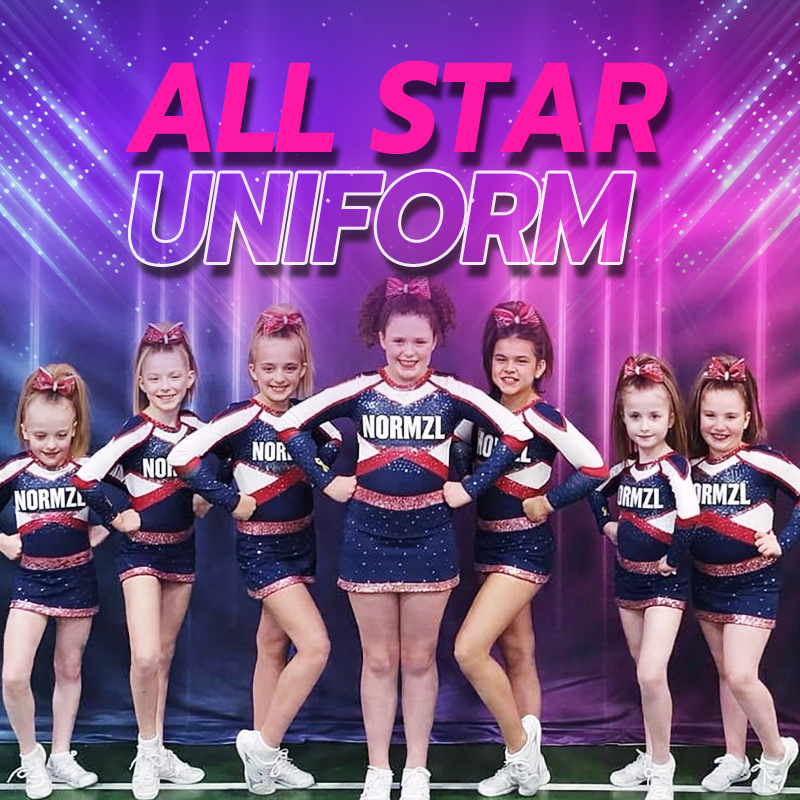
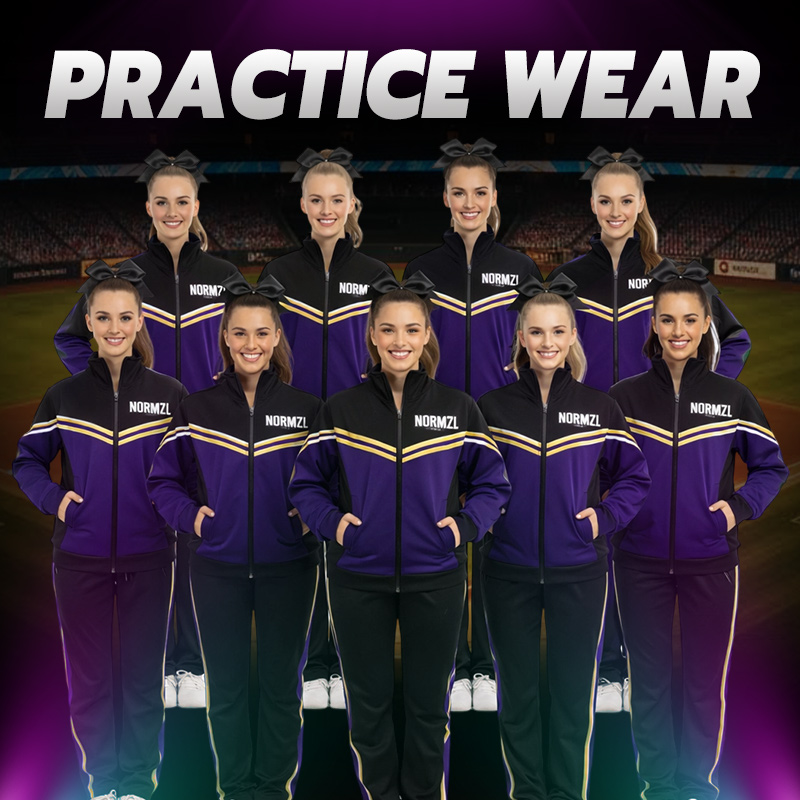
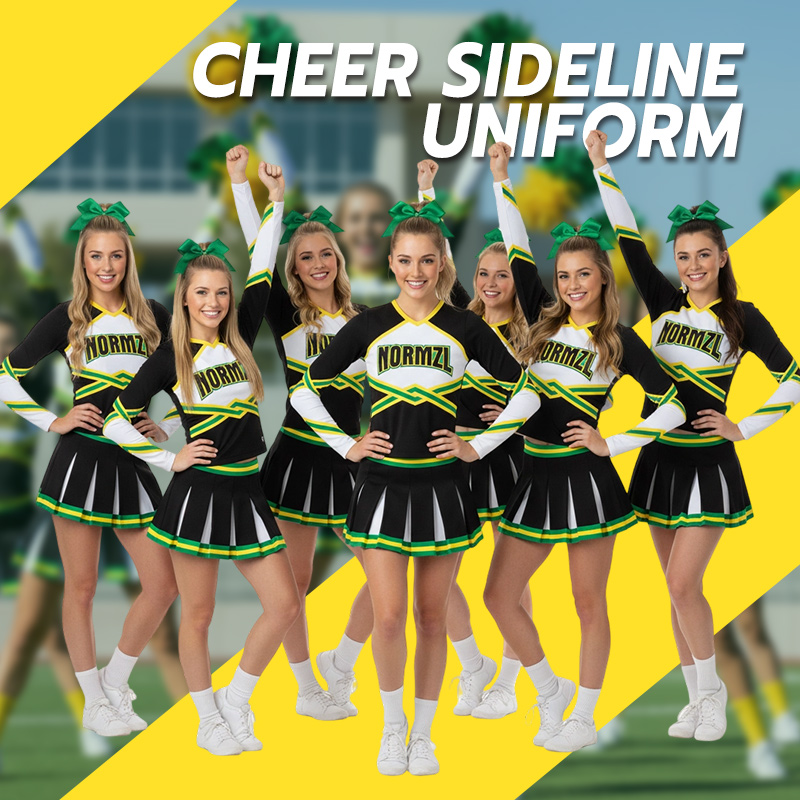
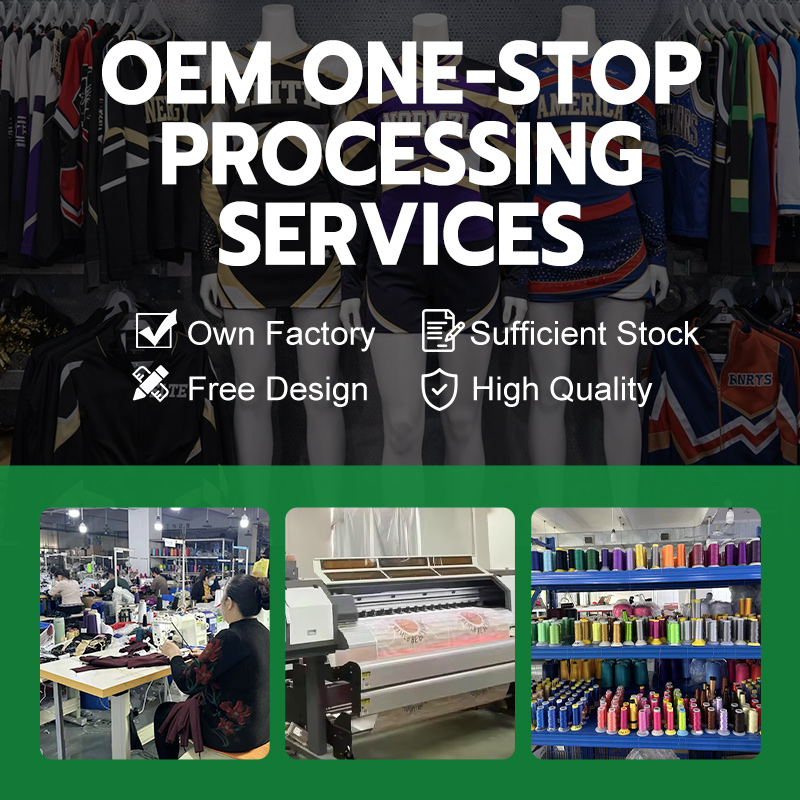
In today’s fast-paced sports and branding landscape, teams are no longer satisfied with basic uniforms—they want apparel that performs under pressure while making a bold visual statement. That’s exactly where Sublimated Teamwear stands out. Whether it’s dynamic sublimated football jerseys or high-impact Vestuário de torcida personalizado Soluções, sublimation printing offers a powerful combination of durability, conforto, and limitless design freedom.
In this guide, we’ll break down how sublimated apparel is produced, explore the full process step by step, and clearly answer a key question many buyers have: What are the advantages and disadvantages of sublimation?
Understanding Sublimation Printing
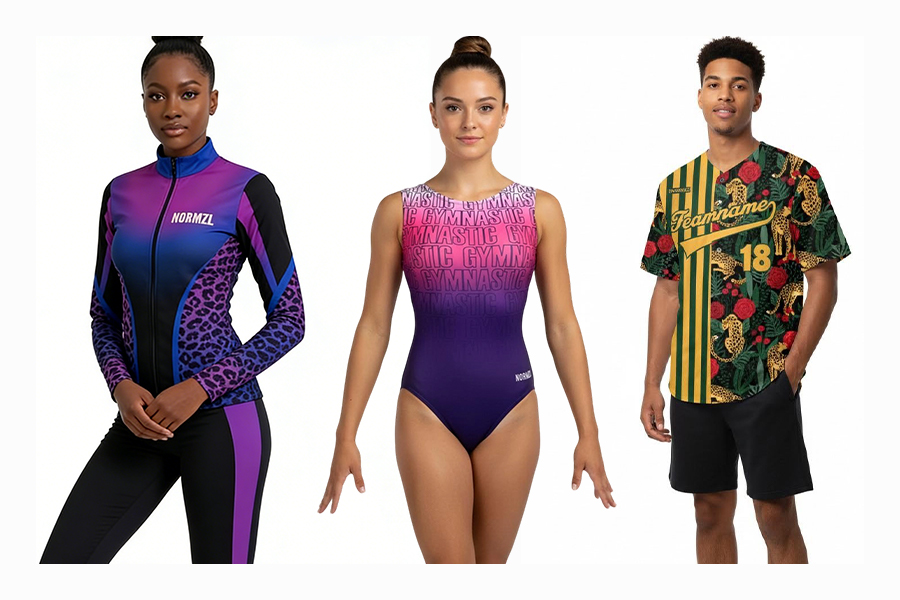
Sublimation printing is a cutting-edge method that transforms the way designs are applied to fabric. Instead of layering ink on top, it embeds color directly into the fibers—resulting in superior performance and aesthetics.
What Is Sublimation Printing?
- A Heat-Driven Ink Transformation Process
Sublimation uses heat and pressure to convert solid ink into gas without passing through a liquid stage. This allows the dye to penetrate deeply into polyester fibers, creating a permanent bond that won’t sit on the surface or wash away.
- Designed Specifically for Performance Fabrics
The process works best on polyester materials, which are widely used in sportswear due to their moisture-wicking and lightweight properties. This makes it ideal for producing high-performance Sublimated Teamwear.
- A Seamless and Professional Finish
Because the ink becomes part of the fabric, the final result has no raised texture, cracking, or stiffness. Athletes benefit from a smooth, irritation-free surface that enhances comfort during movement.
Why Sublimation Is Popular in Teamwear
- Unlimited Design Flexibility
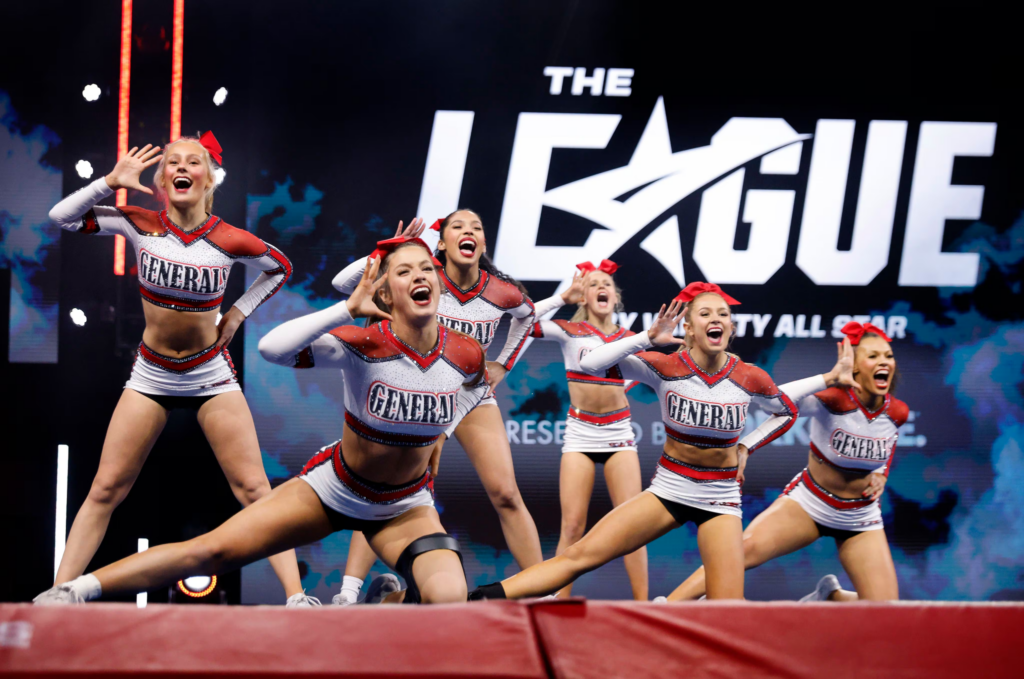
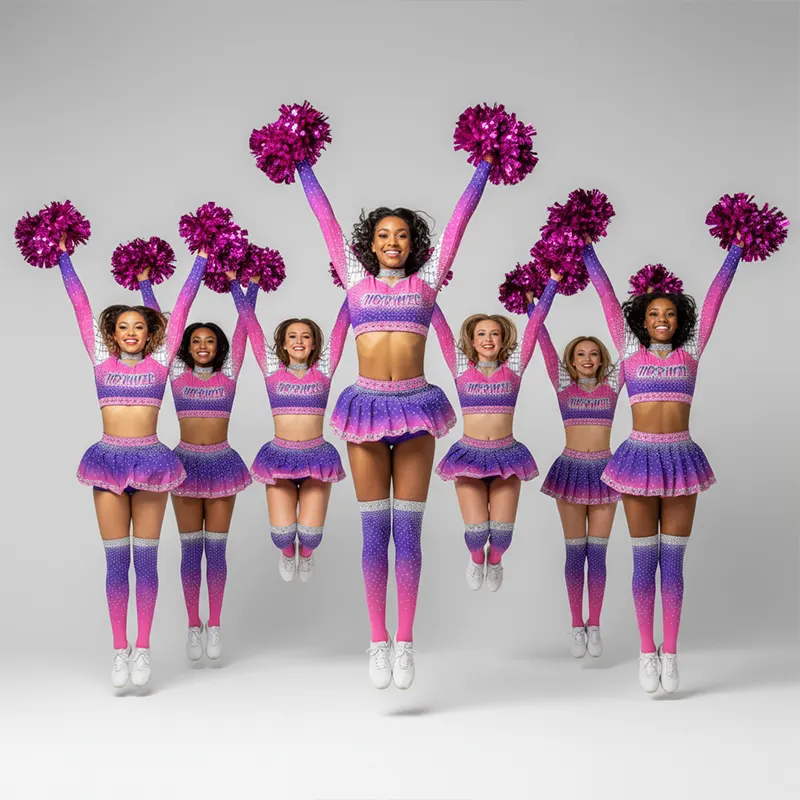
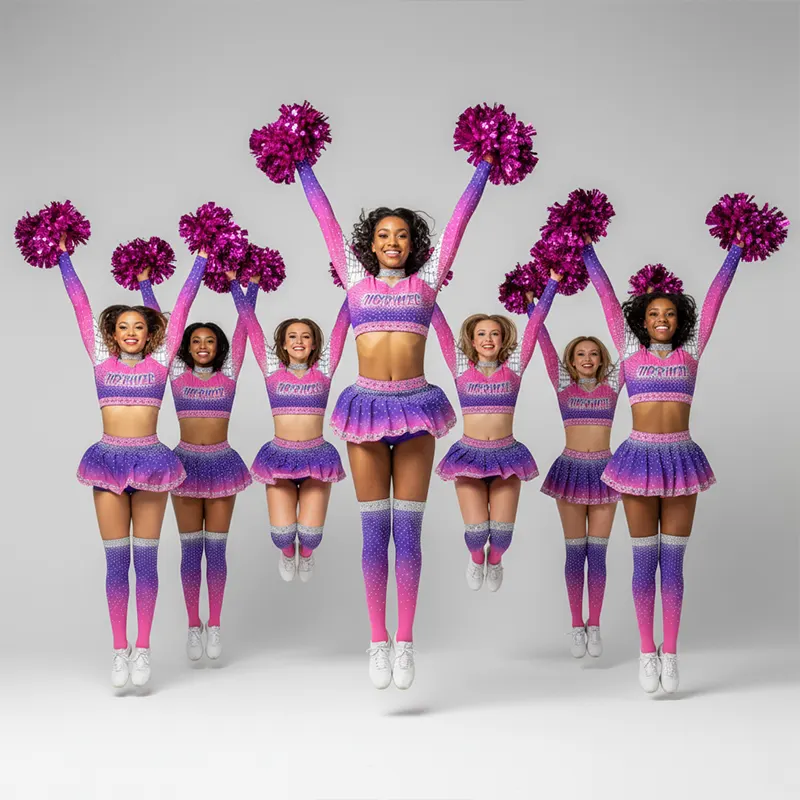
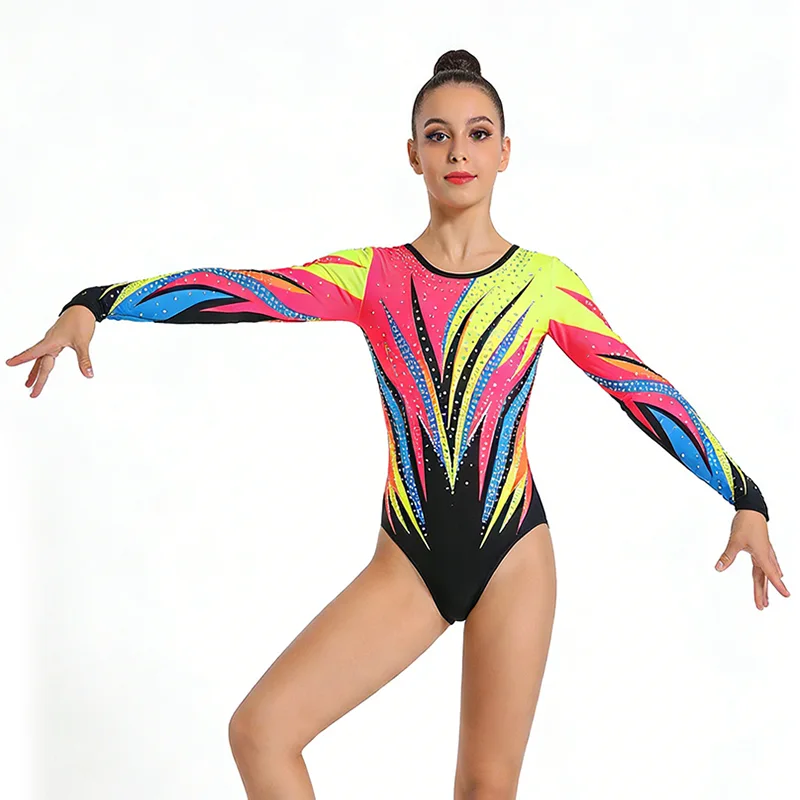
Teams can incorporate complex graphics, gradients, and multi-color patterns without limitations. This is especially valuable for brands looking to create unique identities through Custom Cheer Apparel Solutions.
- Consistency Across Bulk Orders
Every piece produced maintains the same color accuracy and detail, ensuring a cohesive team look across all uniforms.
- Perfect for Branding and Sponsorships
Logotipos, names, and sponsor graphics can be integrated seamlessly into the design without affecting performance or durability.
The Sublimation Process
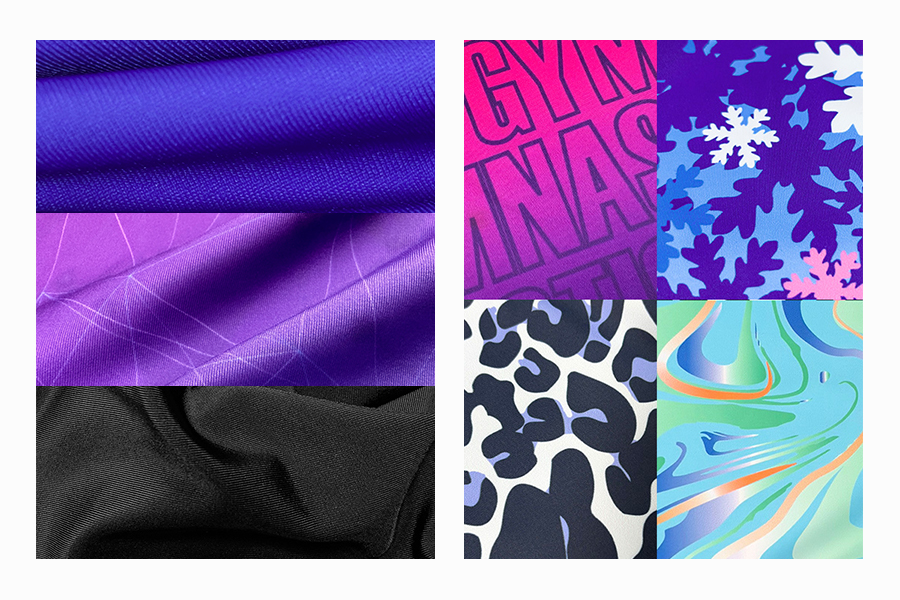
Creating high-quality Sublimated Teamwear involves a carefully controlled, multi-step production process. Each stage plays a crucial role in ensuring the final product meets both aesthetic and performance standards.
Etapa 1: Design Creation
- Concept Development and Visual Planning
The process begins with gathering design inspiration, defining team colors, and aligning branding elements. Designers create mockups that reflect the team’s identity and performance needs.
- Technical Design Preparation
Artwork is converted into print-ready files, ensuring correct sizing, resolution, and color profiles. Placement for logos, numbers, and player names is carefully mapped.
- Customization for Every Detail
From unique patterns to personalized player information, sublimation allows full customization—making it ideal for both sublimated football jerseys and cheer uniforms.
Etapa 2: Printing on Transfer Paper
- Use of Specialized Sublimation Inks
Designs are printed onto transfer paper using high-quality sublimation inks that react to heat. Although colors may appear muted at this stage, they intensify during the transfer process.
- Precision Printing for Accuracy
Advanced printers ensure that every detail, from fine lines to color gradients, is reproduced accurately.
- Preparation for Fabric Alignment
Each printed sheet is carefully prepared to match the corresponding fabric panels, minimizing errors during transfer.
Etapa 3: Heat Transfer Process
- Application of Heat and Pressure
The printed transfer paper is placed onto polyester fabric and pressed at high temperatures. This activates the sublimation process, turning ink into gas.
- Deep Fiber Penetration
The gaseous dye bonds with the fabric at a molecular level, ensuring the design becomes a permanent part of the material rather than a surface layer.
- Long-Lasting Results
Once cooled, the fabric retains vibrant, high-definition graphics that resist fading, peeling, and cracking—even after repeated use and washing.
Etapa 4: Cutting and Sewing
- Precision Fabric Cutting
After printing, the fabric is cut into specific garment panels based on standardized patterns for jerseys, shorts, or cheer uniforms.
- Professional Garment Assembly
Skilled technicians stitch the panels together, ensuring durability, fit, and flexibility for athletic performance.
- Attention to Performance Details
Reinforced seams, stretch panels, and ergonomic cuts are incorporated to enhance comfort and mobility.
Etapa 5: Quality Control and Packaging
- Thorough Inspection Process
Each garment undergoes strict quality checks to verify color accuracy, print alignment, and stitching integrity.
- Consistency Across Orders
Bulk orders are reviewed to ensure uniformity, which is essential for maintaining a professional team image.
- Secure Packaging and Delivery
Finished products are carefully packed to protect them during shipping, ensuring they arrive in perfect condition.
Advantages of Sublimation Printing
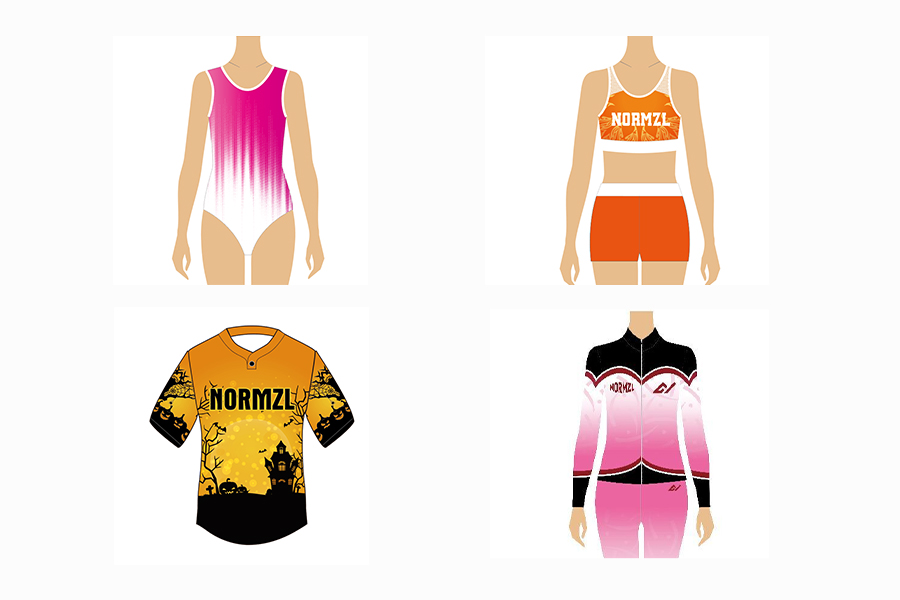
Sublimation has become a preferred choice for Sublimated Teamwear due to its strong performance benefits and design flexibility.
1. Outstanding Durability
- Fade-Resistant Graphics
Because the design is embedded into the fabric, it won’t fade or degrade over time, even with frequent washing and heavy use. - No Cracking or Peeling
Unlike traditional printing methods, there is no risk of designs cracking or peeling since there is no surface layer. - Long-Term Cost Efficiency
Teams benefit from uniforms that maintain their appearance throughout entire seasons, reducing replacement costs.
2. Superior Comfort and Performance
- Lightweight and Breathable Fabric
The absence of additional layers keeps garments light and breathable, improving athlete comfort during intense activities. - Soft and Smooth Finish
The fabric retains its natural texture, eliminating irritation or stiffness often caused by other printing techniques. - Enhanced Mobility
Sublimated apparel stretches naturally with the fabric, making it ideal for high-movement sports and cheer routines.
3. Unlimited Customization Options
- Full-Color Design Freedom
Teams can use unlimited colors, gradients, and complex patterns without increasing production costs. - Personalized Elements
Nomes, numbers, and unique design variations can be easily incorporated into each piece. - Strong Brand Identity
Custom designs help teams stand out and reinforce their identity both on and off the field.
4. Professional and High-End Appearance
- Vivid, High-Resolution Graphics
Sublimation produces sharp, vibrant visuals that elevate the overall look of the uniform. - Consistent Quality Across All Pieces
Every garment looks identical, ensuring a cohesive and polished team presentation. - Premium Feel and Finish
The seamless integration of design and fabric gives apparel a high-quality, professional appearance.
Disadvantages of Sublimation Printing
Despite its many benefits, sublimation does have some limitations that should be considered.
1. Limited Fabric Compatibility
- Works Best on Polyester Materials
Sublimation cannot be effectively applied to cotton or most natural fabrics, limiting material options. - Dependence on Synthetic Fabrics
While polyester is ideal for sportswear, it may not suit all fashion or casual apparel needs. - Not Suitable for All Product Types
Certain applications that require different materials may need alternative printing methods.
2. Challenges with Dark Fabrics
- Best Results on Light-Colored Bases
Sublimation requires a white or light-colored background to achieve vibrant results. - No White Ink Capability
The process cannot print white, which limits design possibilities on darker garments. - Design Planning Constraints
Designers must adapt artwork to suit the limitations of light-colored fabrics.
3. Equipment and Setup Requirements
- Specialized Machinery Needed
Production requires sublimation printers, heat presses, and specific inks, which can increase initial investment. - Professional Expertise Required
Achieving consistent, high-quality results requires experienced operators and precise control. - Not Ideal for DIY or Small-Scale Use
The setup complexity makes it less accessible for small businesses without proper equipment.
Conclusion
If you’re looking to combine performance, durabilidade, e design atraente, Sublimated Teamwear offers one of the most effective solutions available today. From high-performance sublimated football jerseys to visually striking Custom Cheer Apparel Solutions, sublimation printing delivers consistent quality and unmatched customization.
While it does come with certain limitations—such as fabric restrictions and reliance on light-colored materials—the overall advantages make it a top choice for teams and brands worldwide. By understanding the full production process and weighing the pros and cons, you can confidently choose sublimation as the foundation for your next generation of team apparel. Need help? Contact us now!
FAQ
What are the advantages and disadvantages of sublimation?
Sublimation offers long-lasting, vibrant designs with excellent comfort and customization, but it is limited to polyester fabrics and works best on light-colored garments.
What fabric is best for sublimation printing?
Polyester or polyester-blend fabrics are ideal because they allow the dye to bond properly with the fibers.
Does sublimation printing fade over time?
No, sublimation prints are highly durable and resist fading, cracking, or peeling even after repeated washing.
Can sublimation be done on cotton fabrics?
Sublimation does not work effectively on cotton because the dye cannot bond with natural fibers.
Is sublimated teamwear good for sports?
Yes, it is lightweight, breathable, and durable, making it perfect for high-performance sportswear.
Are sublimated football jerseys durable?
Yes, sublimated football jerseys are designed to withstand intense use while maintaining their color and quality.