







In today’s fast-evolving sportswear industry, performance is no longer the only priority—sustainability has become a defining factor. チーム, brands, and manufacturers are actively seeking smarter ways to reduce environmental impact without compromising comfort, 耐久性, or style.
This shift has led to the rise of eco-friendly textile innovations, where advanced materials meet responsible production. From recycled fibers to plant-based fabrics, sustainable uniform manufacturing is reshaping how modern teamwear is designed and produced.
In this article, we’ll break down the top 6 materials for sustainable sportswear, along with their performance benefits, real-world applications, and how they contribute to a more responsible future.
Why Sustainable Materials Matter in Teamwear
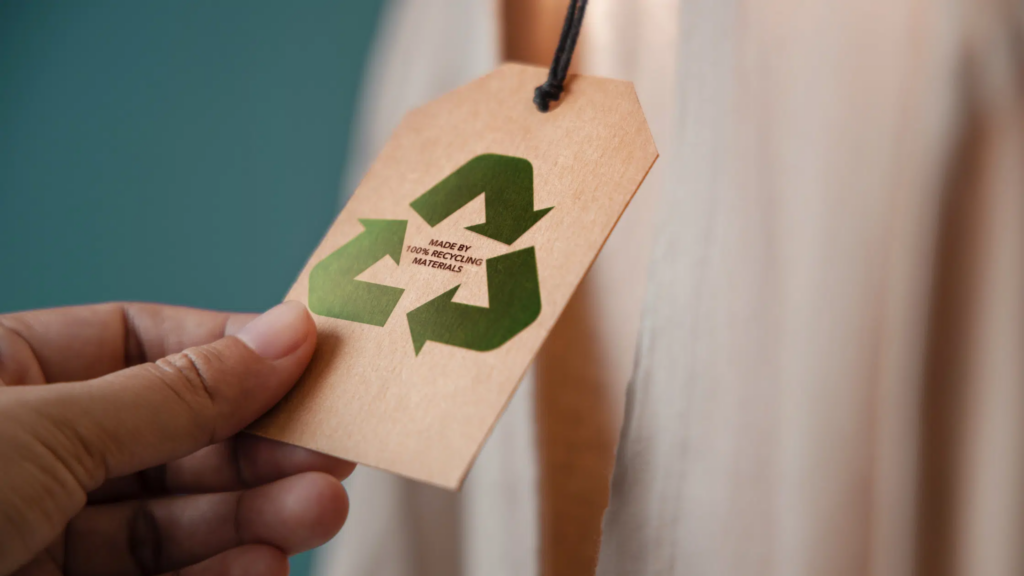
Sustainable materials are not just a trend—they are a strategic investment in quality, compliance, and long-term brand value.
Environmental Impact Reduction
- Lower resource consumption
Sustainable fabrics often require significantly less water and energy during production, helping reduce overall environmental strain compared to conventional textiles.
- Waste minimization
Materials like recycled polyester and nylon actively reduce plastic waste by repurposing post-consumer and industrial materials.
- Reduced carbon footprint
Many eco-friendly production processes are designed to emit fewer greenhouse gases, supporting global sustainability goals.
Improved Athlete Comfort & Safety
- Skin-friendly properties
Many sustainable fabrics serve as hypoallergenic materials in athletic wear, reducing irritation and making them ideal for prolonged use.
- Enhanced breathability
Natural and regenerated fibers allow better airflow, keeping athletes cool during high-performance activities.
- Moisture management
Advanced eco textiles still deliver sweat-wicking and quick-drying performance, matching traditional sportswear standards.
Compliance and Certification Standards
- Chemical safety assurance
Fabrics with OEKO TEX certification guarantee they are free from harmful substances, ensuring safety for athletes.
- Global market acceptance
Certified materials make it easier for brands to enter international markets with strict environmental regulations.
- Consumer trust building
Certifications act as proof of sustainability claims, strengthening brand credibility.
Top 6 Materials for Sustainable Sportswear
1. Recycled Polyester (rPET)
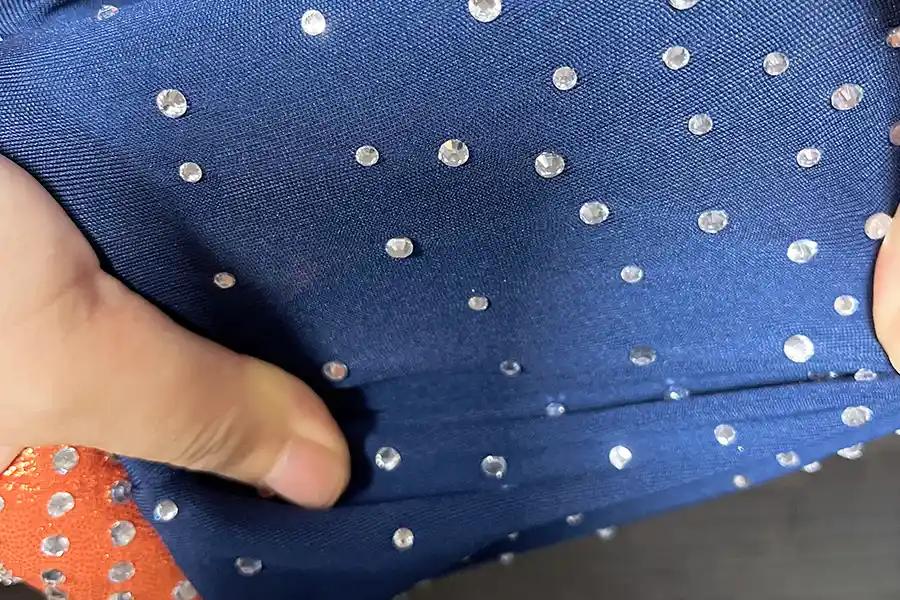
Recycled polyester is the backbone of modern sustainable sportswear due to its versatility and performance.
Key Performance Advantages
- High durability and resilience
It retains strength and elasticity even after repeated washing and intense use, making it ideal for competitive sportswear. - Moisture-wicking capability
rPET fabrics efficiently pull sweat away from the body, keeping athletes dry and comfortable. - Lightweight structure
Its lightweight nature enhances mobility without sacrificing support.
Sustainability Benefits
- Reduces plastic waste
Made from recycled bottles and packaging, it helps divert waste from landfills and oceans. - Energy-efficient production
Requires less energy compared to virgin polyester manufacturing. - Supports circular economy
Encourages reuse of materials within the textile lifecycle.
2. Organic Cotton
Organic cotton is a natural alternative that balances comfort and environmental responsibility.
Comfort & Wearability
- Soft and breathable texture
Ideal for casual and training apparel where comfort is key. - Naturally hypoallergenic
Works well as hypoallergenic materials in athletic wear, especially for sensitive skin. - Temperature regulation
Helps maintain comfort in both warm and cool conditions.
Environmental Advantages
- No harmful pesticides
Safer for farmers and ecosystems compared to conventional cotton. - Lower water pollution
Organic farming reduces contamination of water sources. - Biodegradable fiber
Breaks down naturally, reducing long-term waste.
3. Bamboo Fabric
Bamboo fabric is gaining traction for its natural performance properties and sustainability.
Functional Benefits
- Antibacterial and odor-resistant
Keeps garments fresher for longer periods, even during intense workouts. - Excellent moisture absorption
Absorbs sweat efficiently, enhancing comfort during activity. - Soft and lightweight feel
Provides a premium wearing experience.
Sustainability Highlights
- Fast-growing resource
Bamboo requires minimal water and no pesticides. - Renewable raw material
Can be harvested without damaging the plant system. - Low environmental impact
Requires fewer resources compared to traditional crops.
4. TENCEL™ (Lyocell)
TENCEL™ is a premium eco friendly textile known for both sustainability and luxury feel.
Performance Features
- Silky smooth texture
Offers superior comfort for base layers and premium sportswear. - Breathable and moisture-regulating
Keeps athletes cool and dry during performance. - Gentle on skin
Ideal for sensitive skin applications.
Eco-Friendly Production
- Closed-loop manufacturing
Recycles water and solvents, minimizing waste. - Sustainably sourced wood pulp
Ensures responsible forestry practices. - Biodegradable material
Returns to nature without harmful residue.
5. Recycled Nylon (Econyl®)
Recycled nylon is a high-performance material designed for durability and sustainability.
Performance Capabilities
- High elasticity and strength
Perfect for compression garments and activewear. - Abrasion resistance
Maintains quality even under extreme conditions. - Shape retention
Ensures long-lasting fit and performance.
Environmental Impact
- Ocean waste reduction
Often made from discarded fishing nets and marine debris. - Infinite recyclability
Can be regenerated multiple times without quality loss. - Reduced dependency on fossil fuels
Limits the need for virgin nylon production.
6. Hemp Fabric
Hemp is one of the most eco-friendly natural fibers available today.
Functional Benefits
- Exceptional durability
Stronger than cotton, making garments longer-lasting. - Breathable and moisture-wicking
Suitable for active and casual sportswear. - Natural antimicrobial properties
Helps reduce odor buildup.
Sustainability Strengths
- Minimal water usage
Requires significantly less irrigation. - No need for pesticides
Naturally resistant to pests. - Soil regeneration
Improves soil health during cultivation.
How Sustainable Uniform Manufacturing Works
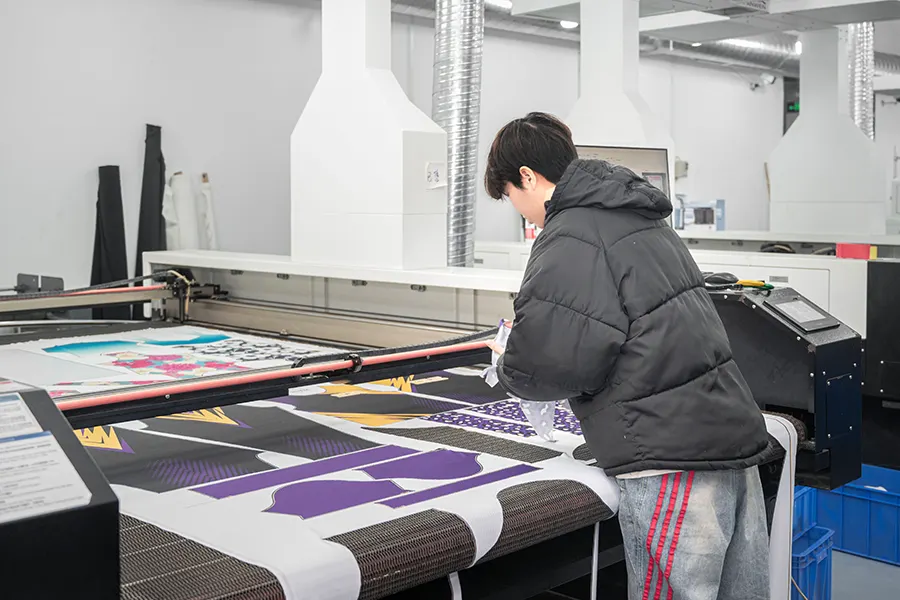
Achieving true sustainable uniform manufacturing requires a holistic approach beyond material selection.
Responsible Material Sourcing
- Selecting certified eco friendly textile suppliers
- Prioritizing recycled and renewable fibers
- Ensuring traceability throughout the supply chain
Eco-Conscious Production Processes
- Using low-impact dyeing techniques
- Reducing water and energy consumption
- Meeting OEKO TEX certification standards for safety
Ethical and Efficient Manufacturing
- Ensuring fair labor practices
- Reducing material waste through efficient cutting
- Implementing quality control for longer product life
👉 Work with a Sustainable Teamwear Manufacturer
If you’re looking to develop high-quality, eco-conscious sportswear, partnering with an experienced manufacturer is key.
At https://www.normzl.com/, we specialize in:
- Custom teamwear solutions
- Advanced eco friendly textile applications
- Reliable sustainable uniform manufacturing processes
Our team helps brands turn sustainable ideas into high-performance products that stand out in the market.
FAQ: Sustainable Sportswear Materials
What are examples of sustainable materials for clothing?
Common sustainable materials include recycled polyester, organic cotton, bamboo, TENCEL™, recycled nylon, and hemp. These materials reduce environmental impact while maintaining performance and durability.
What are eco-friendly materials for sportswear?
Eco-friendly sportswear materials include moisture-wicking recycled polyester, breathable bamboo, and soft TENCEL™. These fabrics combine performance with sustainability and often meet OEKO TEX certification requirements.
How to manufacture sustainable clothing?
Sustainable clothing is produced by using eco friendly textile materials, reducing resource consumption, applying non-toxic processes, and ensuring ethical labor practices throughout the supply chain.
Conclusion
Sustainable sportswear is no longer a niche—it’s quickly becoming the industry standard. Brands that embrace innovative materials and responsible production methods are not only protecting the environment but also delivering better products for athletes.
By integrating materials like recycled fibers, natural textiles, and advanced regenerated fabrics, manufacturers can create teamwear that performs at a high level while staying environmentally responsible. With the right strategy and partners, sustainable uniform manufacturing becomes a powerful driver of both brand value and long-term success.
As the demand for eco-conscious apparel continues to grow, now is the perfect time to invest in smarter materials, cleaner processes, and a more sustainable future for teamwear.