



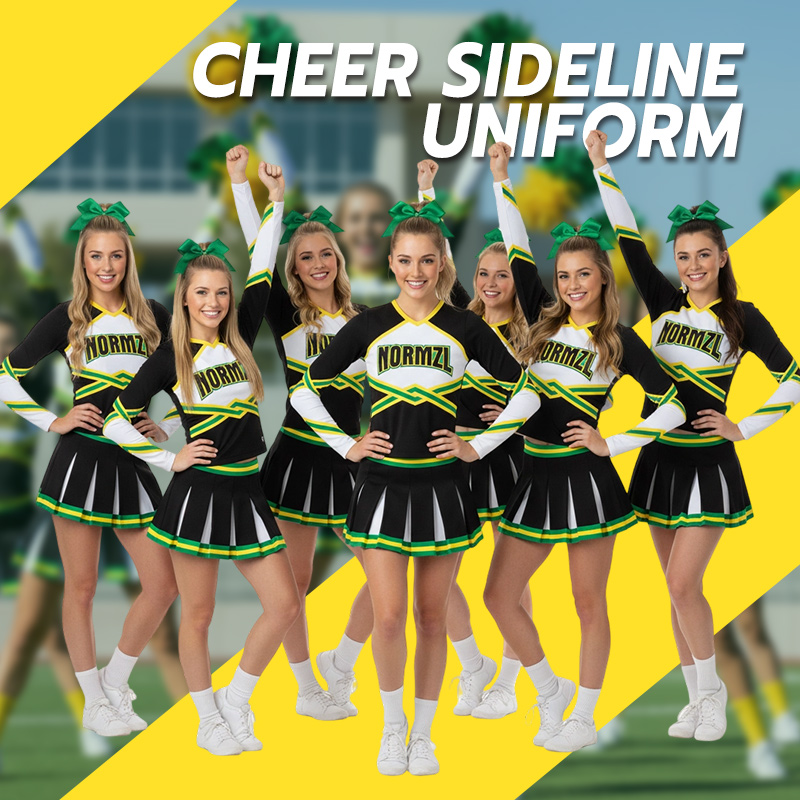
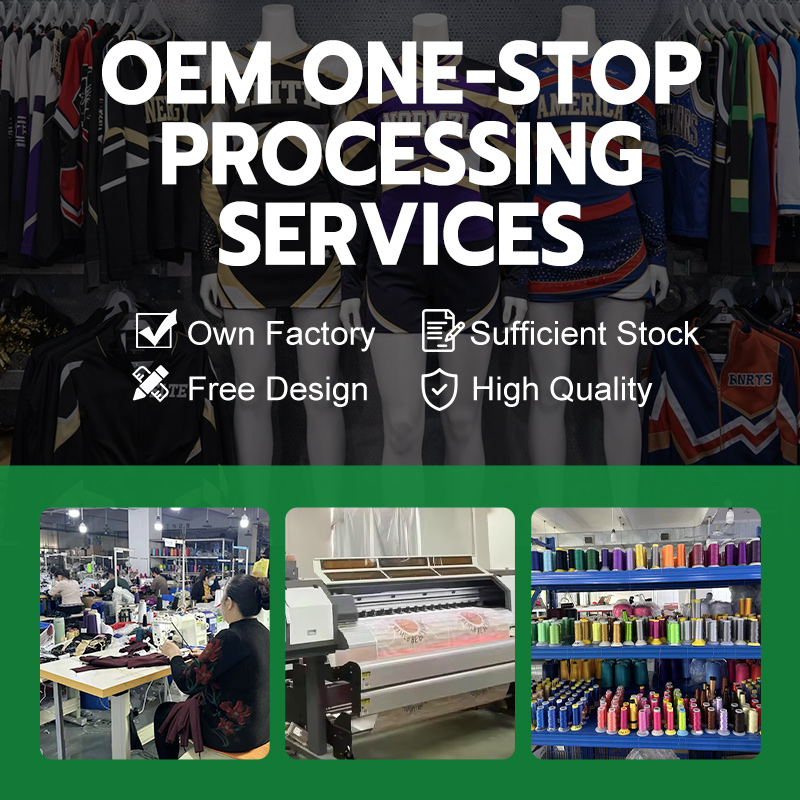
Choosing between OEM and ODM is one of the most important strategic decisions for any cheer apparel or teamwear brand. It doesn’t just affect how your uniforms are made—it directly impacts your brand identity, product quality, speed to market, and long-term competitiveness.
In today’s fast-moving sportswear industry, understanding the difference between OEM and ODM is essential if you want to scale efficiently and avoid costly missteps in product development. In diesem Ratgeber, we’ll break everything down in a clear, practical way and help you decide which model best fits your cheer uniform business.
What Is the Difference Between OEM and ODM in Apparel Manufacturing?
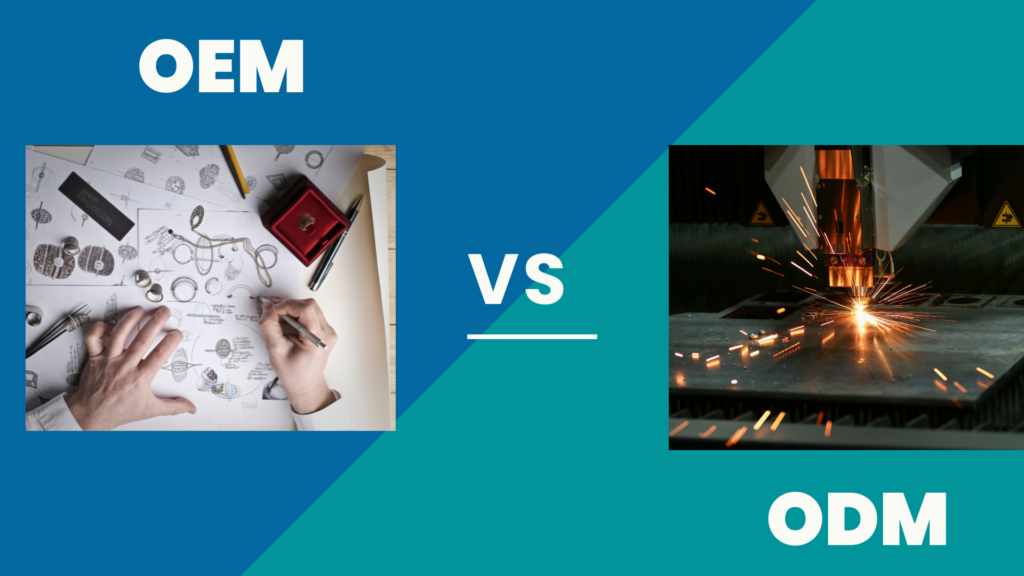
To truly understand sourcing strategy, we first need to clearly define how these two models work. The difference between oem and odm mainly comes down to design ownership, customization level, and production responsibility.
OEM manufacturing is a fully brand-driven model where you bring the design vision, and the factory turns it into a finished product.
How OEM works in practice
- You provide full design concepts, tech packs, or sketches, and the factory follows your instructions precisely to produce the garment.
- Every detail—from fabric selection to stitching structure and decoration placement—is decided by your brand rather than the manufacturer.
- Sampling and revisions are usually required before bulk production to ensure performance, fit, and aesthetic accuracy.
- OEM is commonly used by established cheer apparel brands that want highly customized competition uniforms.
Why OEM stands out in the market
- It allows brands to build completely unique cheer uniform collections that cannot be easily copied by competitors.
- It supports premium positioning because the product is developed exclusively around your brand identity.
- It enables deeper technical customization for performance, Komfort, and durability in competitive cheer environments.
ODM manufacturing is a more factory-led approach where designs already exist, and brands select from pre-developed styles.
How ODM manufacturing works
- Manufacturers create ready-made cheer uniform templates that brands can choose from directly.
- Brands typically customize colors, Logos, patterns, and minor design elements without changing the core structure.
- Development time is significantly shorter because the base design and fit are already tested and approved.
- ODM is widely used by startups or brands that want faster product launches with lower development complexity.
Why ODM is popular for new brands
- It reduces the need for in-house design teams or advanced technical development skills.
- It allows faster entry into the market, which is ideal for seasonal cheer collections or trend-driven launches.
- It lowers upfront investment risk while still offering professional-looking uniforms.
OEM vs ODM Key Differences Explained
When analyzing the difference between oem and odm, several core factors help clarify which model fits your business better:
1. Design Ownership and Control
- OEM gives full ownership and creative control to the brand, allowing complete freedom in silhouette, fabric, and detailing decisions.
- ODM places design ownership with the factory, meaning brands work within existing frameworks and make adjustments rather than building from scratch.
2. Level of Customization
- OEM supports deep customization, including structural changes, fabric engineering, and performance optimization tailored to specific cheer routines.
- ODM offers limited customization, usually focused on surface-level changes like colors, prints, and branding elements.
3. Production Speed and Development Time
- OEM takes longer because it involves sampling, revisions, and technical validation before mass production begins.
- ODM manufacturing is much faster since designs are pre-developed and only need minor adjustments before production.
4. Cost Structure and Investment
- OEM requires higher initial investment due to design development, sampling, and product engineering stages.
- ODM reduces upfront costs by leveraging existing designs and minimizing development cycles.
5. Brand Positioning and Market Strategy
- OEM is ideal for premium or performance-focused cheer brands aiming for strong differentiation and exclusivity.
- ODM works well for entry-level or fast-moving brands that prioritize affordability and speed to market.
What Are the Advantages of OEM in Cheer Uniform Manufacturing?
Although both models have value, OEM remains the preferred choice for many established cheer apparel brands because it offers deeper control and stronger long-term brand building potential.
1. Complete Creative Freedom for Unique Uniform Design
One of the biggest advantages of OEM is the ability to fully shape your product from concept to completion.
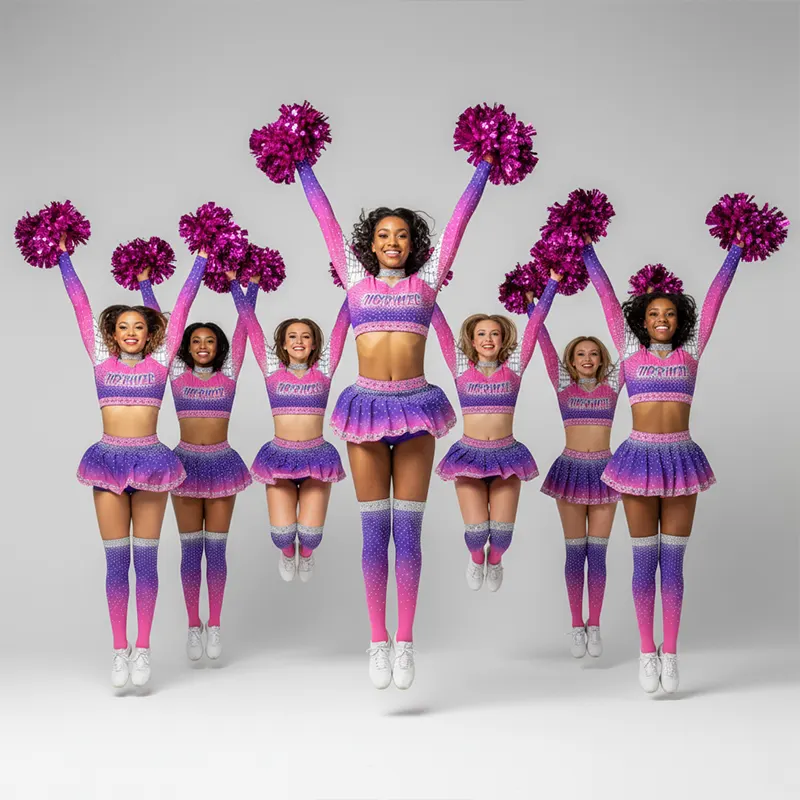
- Brands can design completely original cheer uniforms that reflect team identity, performance style, and visual branding without limitations from pre-existing templates.
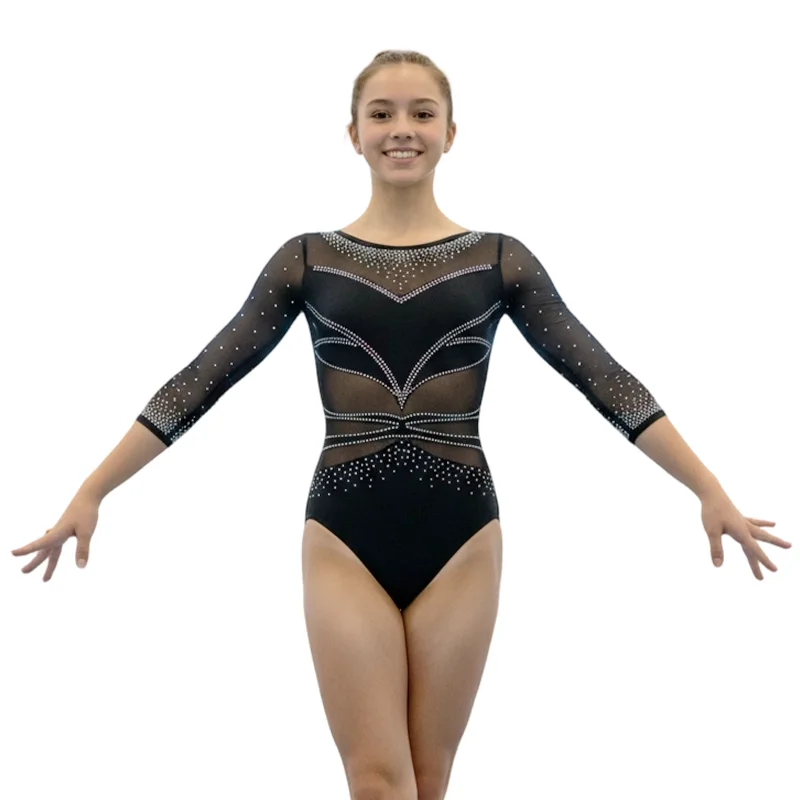
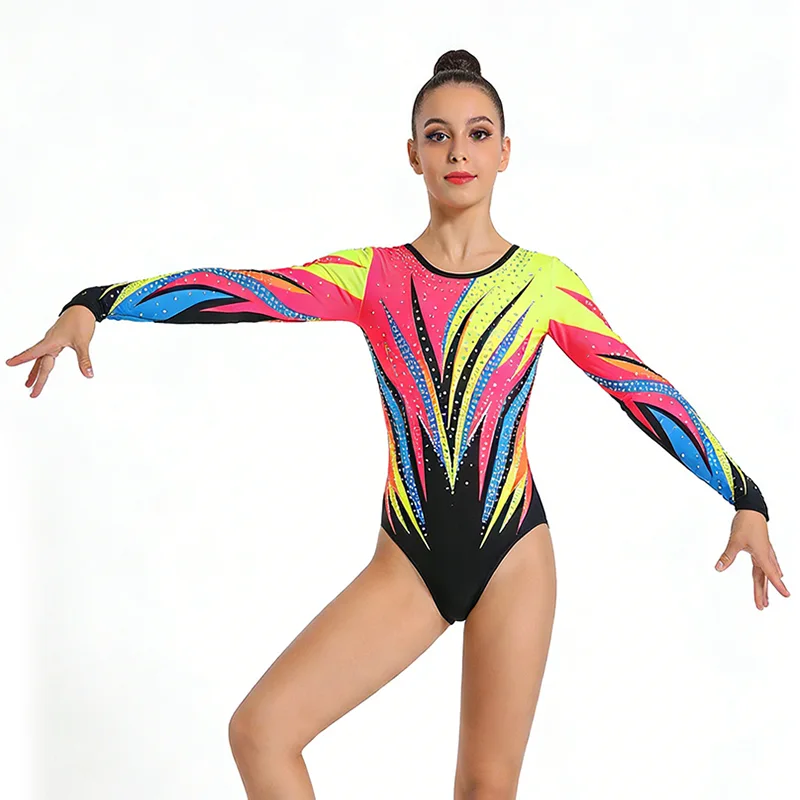
- Every design element—such as neckline structure, panel placement, and fabric combination—can be engineered for both aesthetics and athletic function.
- OEM allows innovation in styling, helping brands introduce signature looks that stand out in competitions and events.
- This creative control makes it easier to build a recognizable product line that customers associate directly with your brand.
2. Stronger Brand Identity and Competitive Differentiation
In the cheer apparel industry, standing out visually is extremely important, especially in competitive environments where uniforms are highly visible.
- OEM helps brands build a strong, consistent identity through exclusive designs that are not shared across multiple buyers.
- It reduces the risk of design repetition in the market, which is common in template-based manufacturing models.
- Brands can develop signature collections that strengthen recognition among teams, coaches, and athletes.
- Over time, this differentiation helps position the brand in a more premium and professional segment of the market.
3. Advanced Performance and Functional Optimization
Cheer uniforms are not just about appearance—they must support flexibility, Haltbarkeit, and athletic performance.
- OEM allows selection of high-performance fabrics such as stretch blends, moisture-wicking materials, and reinforced textiles for demanding routines.
- Fit can be engineered to support jumps, Stunts, and tumbling movements without restricting mobility.
- Structural improvements such as reinforced seams or strategic paneling can enhance durability during high-intensity performances.
- This level of customization ensures uniforms are optimized for real competition environments rather than general templates.
4. Better Long-Term Business Growth Potential
While OEM requires more investment at the beginning, it often leads to stronger long-term returns.
- Exclusive designs allow brands to position products at higher price points due to perceived uniqueness and quality.
- Stronger brand identity increases customer loyalty and repeat orders from teams and institutions.
- Reduced competition from identical designs helps maintain pricing power in the market.
- OEM supports scalable product development for brands planning long-term expansion.
5. Innovation Opportunities for Product Development
OEM manufacturing is ideal for brands that want to continuously evolve their product line.
- Brands can experiment with new silhouettes, color blocking systems, and design structures each season.
- Advanced decoration techniques such as sublimation, Strasssteine, or hybrid printing can be integrated into development.
- OEM allows the creation of themed collections for competitions, events, or team branding strategies.
- It encourages long-term innovation rather than relying on fixed factory templates.
Why ODM Manufacturing Still Matters for Cheer Apparel Brands
While OEM offers maximum control, odm manufacturing remains highly valuable, especially for newer or fast-growing brands.
It provides a practical way to:
- Enter the market quickly without heavy design investment
- Test product demand before committing to full OEM development
- Launch seasonal collections with minimal production lead time
- Reduce financial risk while still offering professional-quality uniforms
Many successful brands actually start with ODM and gradually transition into OEM once they have stronger market positioning.
Final Thoughts: Which Model Should You Choose?
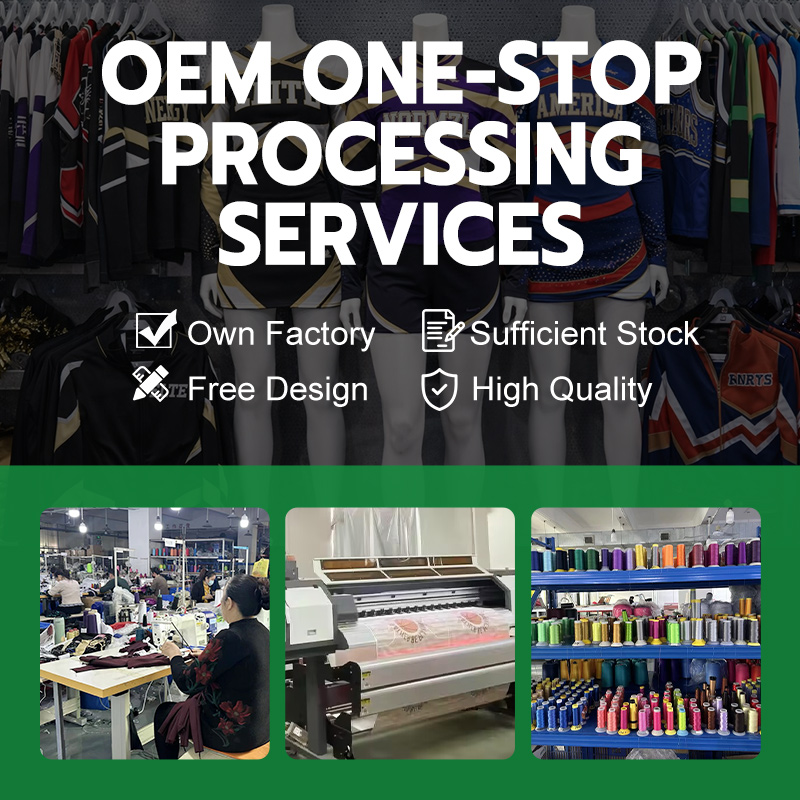
Understanding the difference between oem and odm is not just a technical decision—it’s a strategic one that shapes how your cheer apparel brand grows over time.
- OEM gives you full creative control, stronger differentiation, and long-term brand value
- ODM manufacturing offers speed, simplicity, and lower entry barriers
In reality, the best strategy often combines both models depending on your stage of growth and product goals.
Ready to Develop Your Cheer Apparel Line?
If you are planning to launch or scale your cheer uniform collection and want professional manufacturing support, you can explore more solutions and production capabilities here:
We help brands turn creative ideas into high-quality cheer apparel through flexible OEM and ODM manufacturing solutions tailored to different business needs.