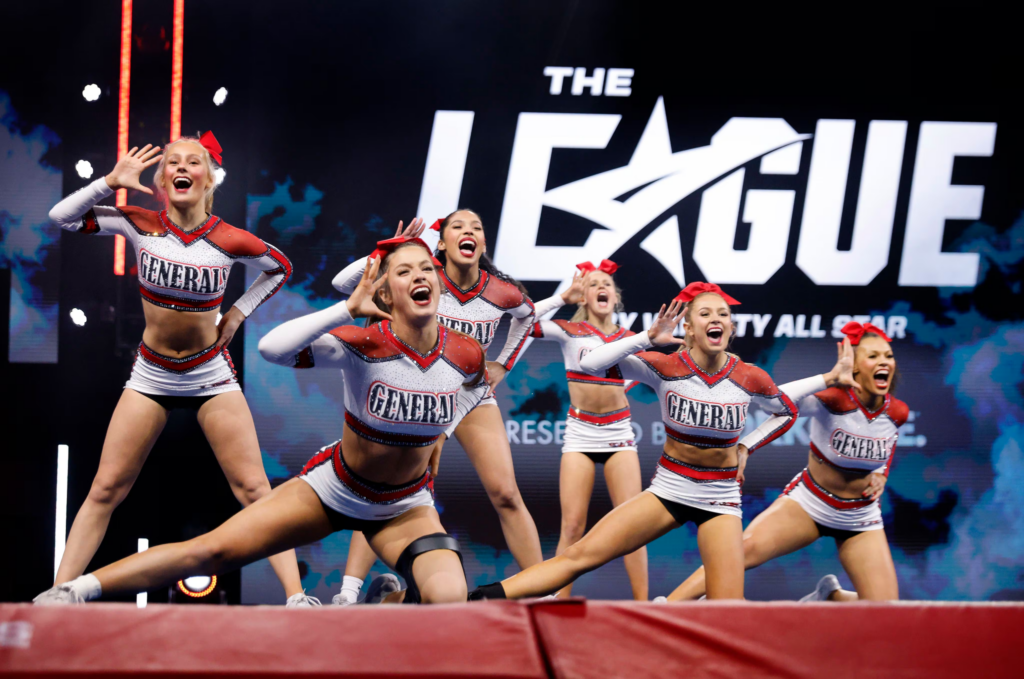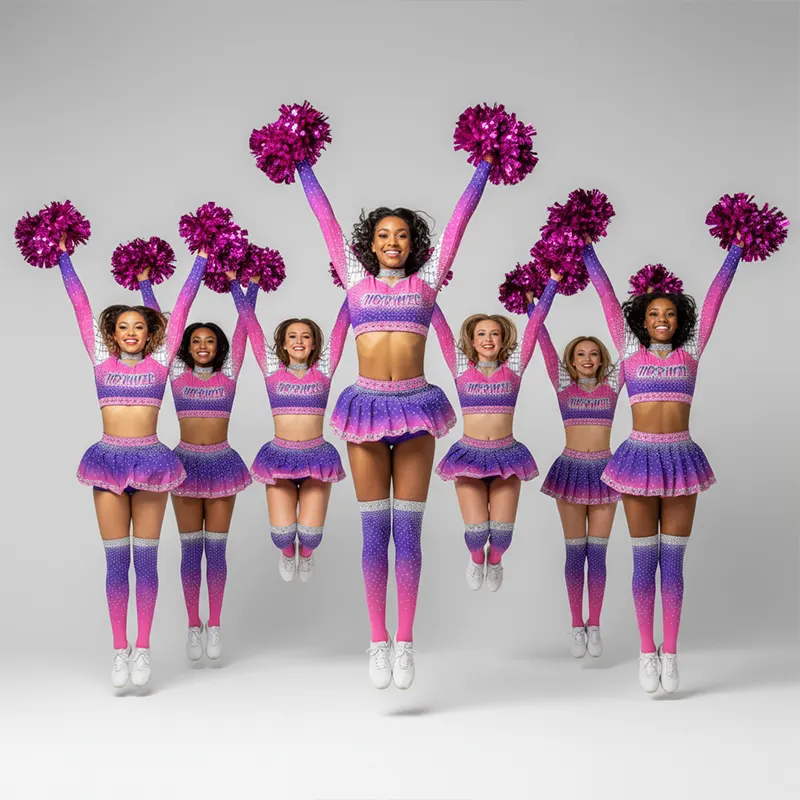






If you’ve scrolled TikTok, Instagram, or caught competitive cheer championships and pro sports sidelines lately, you’ve seen it: cheer uniforms are having a massive cultural moment. Far from being written off as just flashy, bedazzled game-day gear, today’s cheerwear is taking center stage in viral global conversations about body autonomy, athlete mental health, sustainable fashion, and breaking long-outdated stereotypes surrounding cheerleading.
This year, the narrative has shifted in a huge way—moving past narrow, outdated beauty standards and leaning into purpose-driven design that feels good, fits every body, and aligns with ethical values. Brands, college programs, high school squads, and pro cheer teams are leading this change, turning uniform design into a statement of respect and progress. Let’s break down the biggest 2026 trends, viral debates, and industry shifts that are reimagining cheer uniforms for the better.
1. Inclusivity & Body Positivity: Uniforms Engineered for Every Athlete
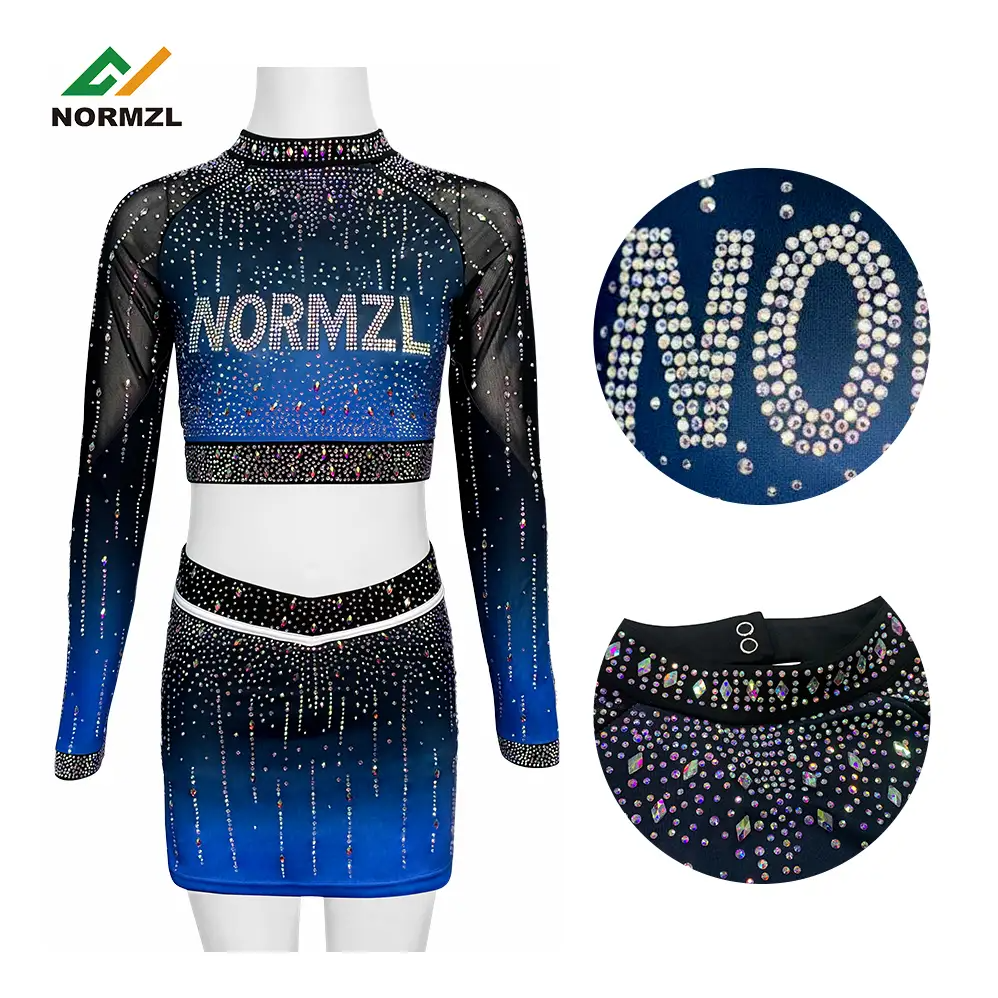
The most pivotal, widely talked-about movement in cheer culture right now is the push for full-size-inclusive, body-neutral uniform design—a long-overdue fix for decades of rigid, exclusionary beauty norms. For far too long, cheer uniforms were linked to tight, restrictive cuts, tiny size ranges, and designs that prioritized a narrow “ideal” over athlete comfort and confidence. That old narrative is falling apart at every level of the sport, from youth leagues all the way to elite national competitions.
Recent high-profile controversies at the high school and collegiate levels—including reports of body shaming over ill-fitting uniforms, unfair sizing barriers, and rigid dress codes that disregarded athlete comfort—sparked an industry-wide reckoning. Governing bodies like USA Cheer and the Universal Cheerleaders Association (UCA) have now issued formal guidelines urging teams to adopt flexible, inclusive designs: extended hemlines, full-coverage top options, boy-cut shorts as an alternative to traditional briefs, and size ranges spanning petite to extended plus sizes with zero “one-size-fits-all” pressure.
Athletes and advocates are amplifying the message: cheer uniforms should celebrate skill, athleticism, and team spirit—not body shape. Top cheerwear brands are responding by ditching restrictive molds for stretchy, supportive performance fabrics that move with athletes during stunts, jumps, and tumbling, while flattering diverse body types. The result? Cheerleaders are empowered to focus on their craft, not self-consciousness about their uniform.
2. Viral Controversies & Athlete Autonomy: Rewriting the Cheer Narrative
2026 pushed cheer uniforms straight into viral mainstream discourse thanks to unexpected, headline-grabbing debates—most notably the flood of AI-generated misinformation around pro cheer uniform policies, which quickly turned into a vital conversation about athlete autonomy and personal boundaries. What started as baseless online noise snowballed into a bigger talk about respect: cheerleaders deserve full control over their undergarments, coverage choices, and comfort, both on the sidelines and in competitive settings.
This moment transcends one rumor or one team—it’s about rewriting the harmful script that reduces cheerleaders to their appearance. Modern uniform design is aligning with this mindset: sleek, polished, and performance-focused, not overly revealing or objectifying. The focus is firmly shifting back to cheerleading as a competitive sport, not a visual spectacle, honoring the years of training and athleticism these athletes bring to the field.
3. Sustainable Tech & Eco-Conscious Design: Greening the Sideline
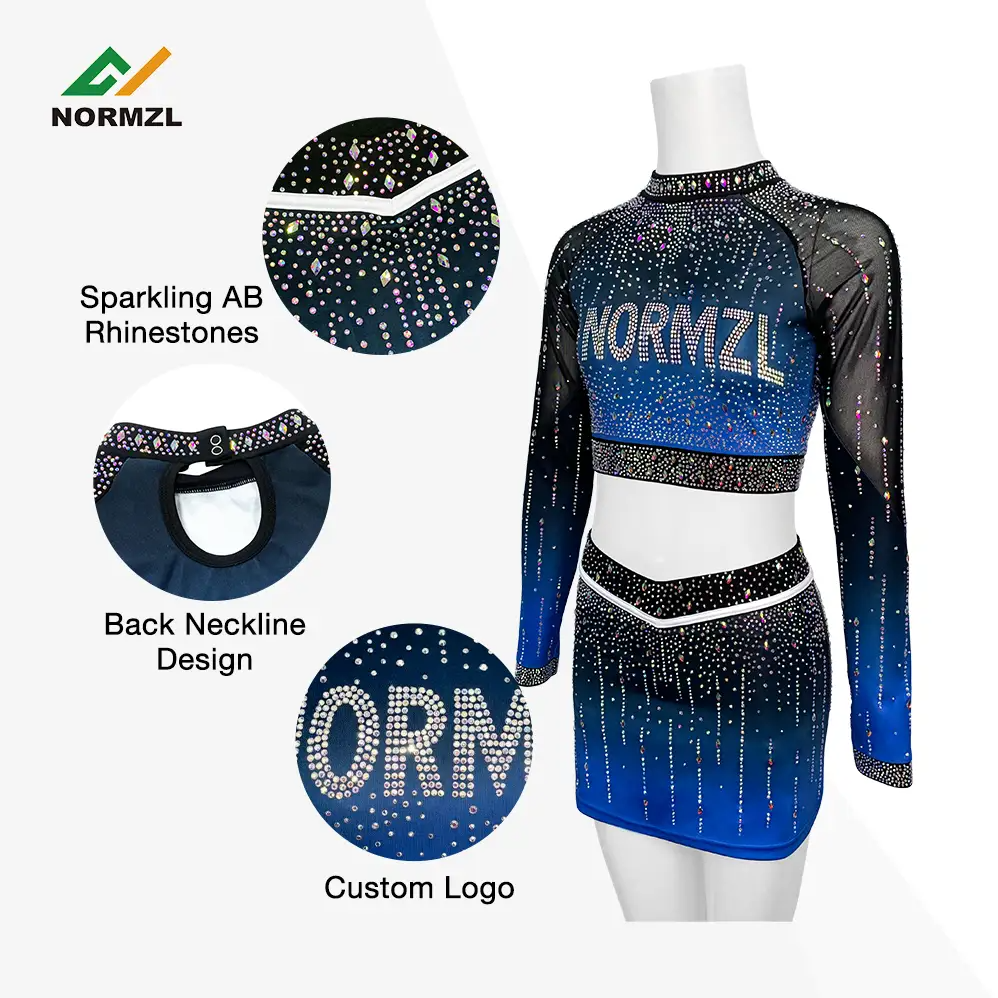
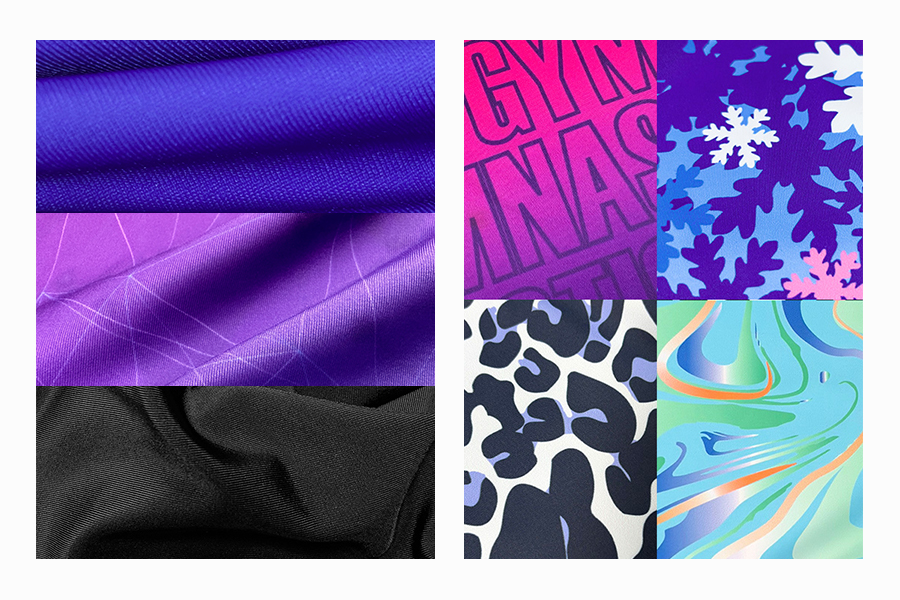
Inclusivity isn’t the only revolution—cheer uniforms are getting a sustainable, high-tech upgrade in 2026, merging athletic performance with environmental responsibility. Leading sportswear brands are phasing out virgin synthetic materials in favor of recycled alternatives, primarily rPET (recycled plastic bottles) and upcycled polyester, paired with low-impact, non-toxic eco-dyes that retain vibrant team colors without harming ecosystems.
These sustainable fabrics aren’t just eco-friendly—they’re engineered for peak performance: lightweight, moisture-wicking, quick-drying, and tear-resistant, built to withstand grueling practices and high-stakes competitions. Next-gen innovation is also streamlining design: AI-powered 3D customization tools let teams visualize and tailor uniforms virtually, eliminating waste from ill-fitting samples and ensuring a precise fit for every squad member. Some brands are even integrating subtle performance tech, like antimicrobial weaving and stretch-support composites, to boost comfort and reduce injury risk.
4. Design Evolution: Classic Spirit Meets Modern Edge
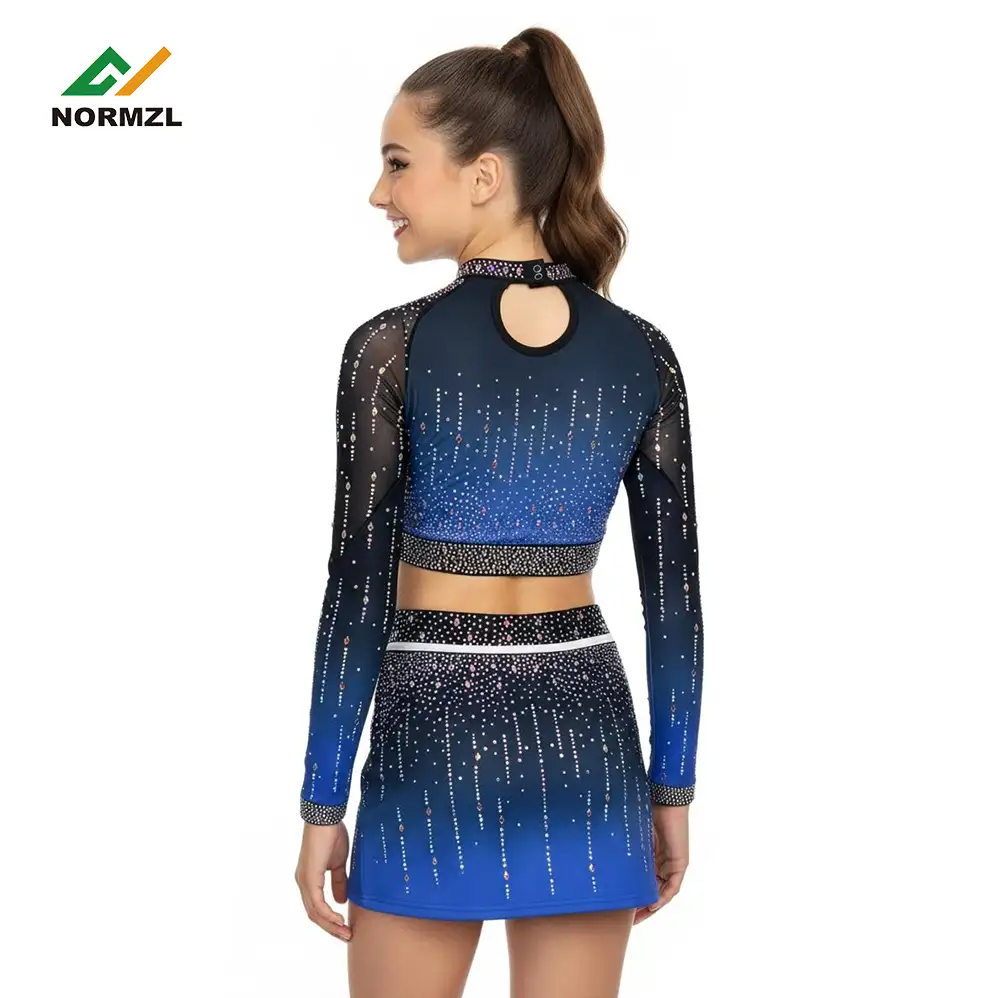
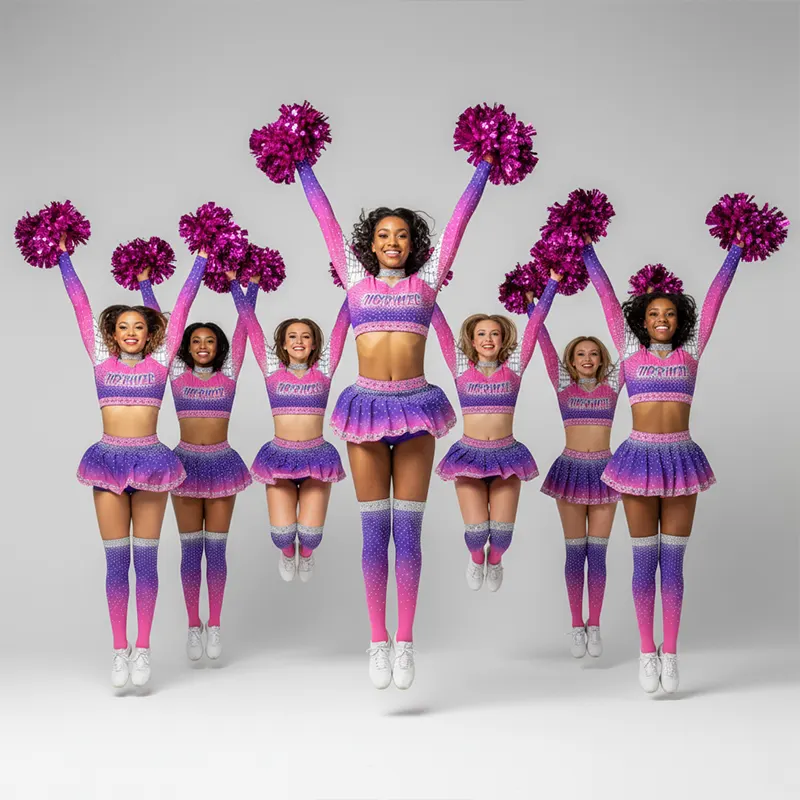
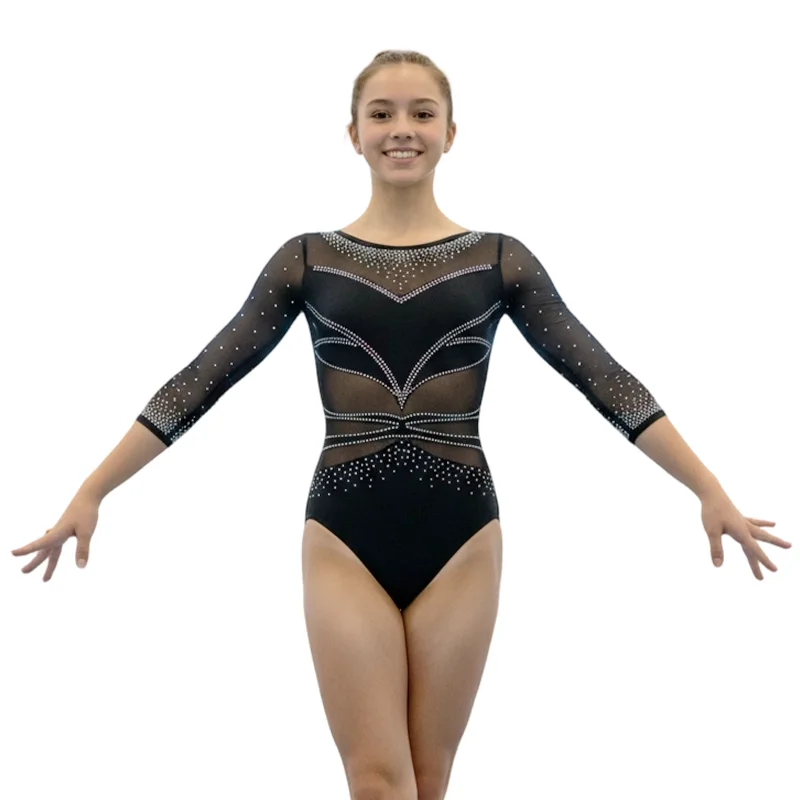
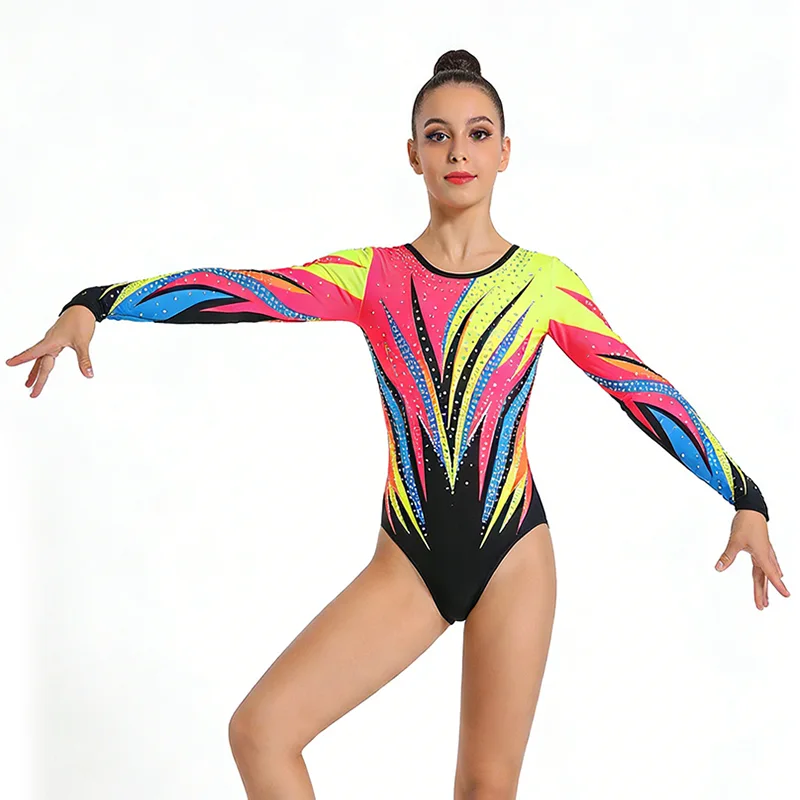
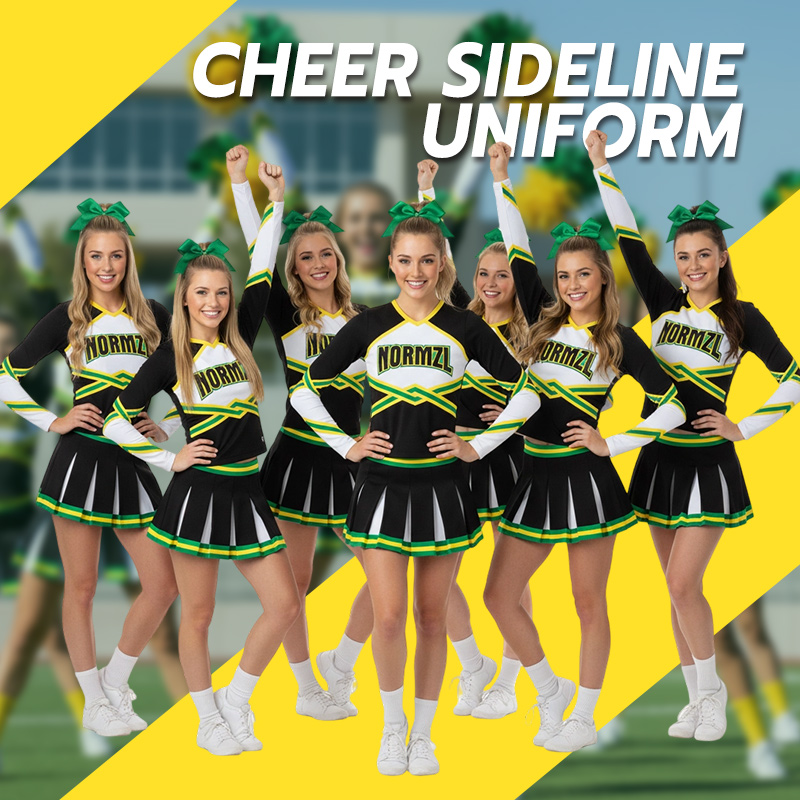
While the core purpose of cheer uniforms—uniting teams and energizing crowds—remains unchanged, 2026 designs masterfully blend nostalgic cheer charm with contemporary athletic flair. This year’s top trends include bold geometric prints, neon accent detailing, strategic mesh paneling for enhanced breathability, and fully customizable logos, Namen, and team motifs. Mix-and-match practice and competition sets let squads switch up their look while maintaining cohesive team identity, striking the perfect balance between timeless spirit and modern, functional style.
The Bottom Line: Cheer Uniforms Are a Symbol of Progress
This year’s cheer uniform revolution boils down to one core value:respect for the athlete. From inclusive sizing and eco-friendly materials to designs that put performance before perfection, the industry is finally putting the voices of the people who wear these uniforms front and center: hardworking, dedicated athletes who deserve to feel comfortable, confident, and fully seen.
Gone are the days when cheerwear was only about sparkle and spectacle. Today, it’s a symbol of evolution—proof that cheerleading continues to grow into a sport that celebrates every body, every skill, and every voice. As the conversation continues, one thing is clear: the future of cheer uniforms is inclusive, sustainable, and unapologetically athlete-focused.
Cheer Uniform FAQ: Your Top Questions Answered
Curious about sizing, trends, rules, or care for modern cheer uniforms? We’ve rounded up the most frequently asked questions from athletes, coaches, parents, and fans to break down everything you need to know.
Q: Are cheer uniforms now available in full size-inclusive ranges?
A: Yes! Top cheerwear brands and official governing bodies now prioritize full size inclusivity, with ranges spanning petite to extended plus sizes. We offer customizable fits (including longer hemlines, full-coverage tops, and alternative bottom styles) to fit every body type, eliminating outdated restrictive sizing standards.
Q: What’s the difference between practice cheer wear and competition uniforms?
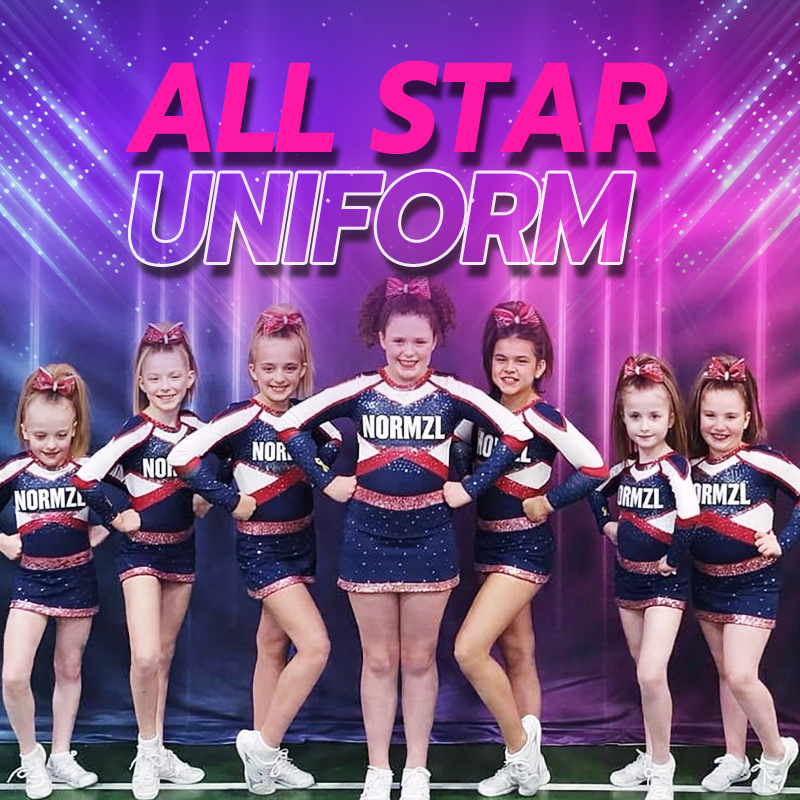
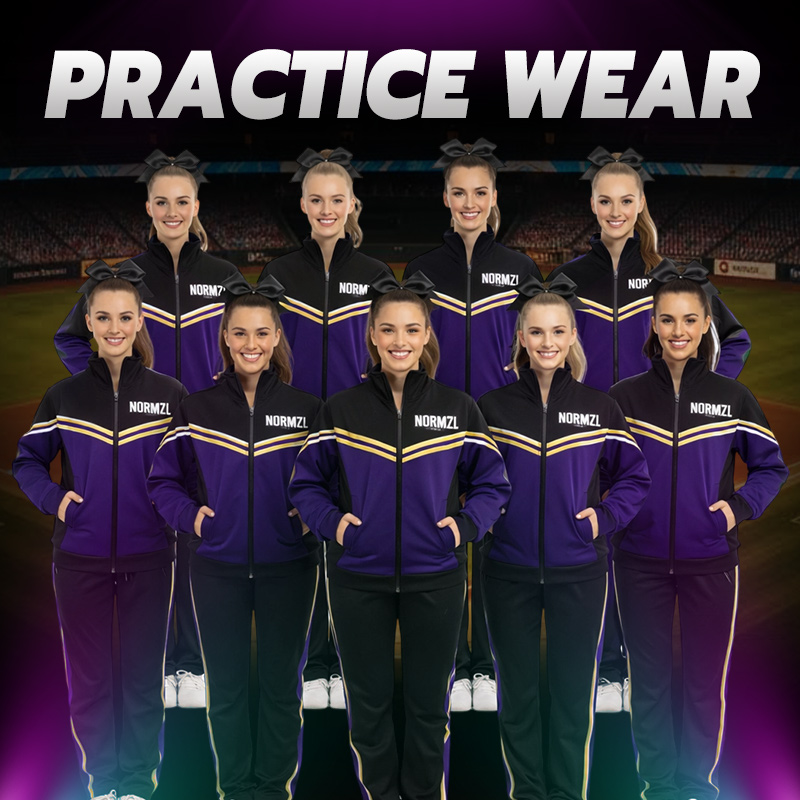
A: Practice gear is designed for durability, Atmungsaktivität, and flexibility (think moisture-wicking tanks, stretch shorts, and lightweight tees) for daily training. Competition uniforms are polished, team-branded, and made with performance fabrics that hold shape during stunts/tumbling—many include subtle sparkle, custom logos, and team colors for game-day and championship appeal.
Q: Are there official rules for cheer uniform design and coverage?
A: Yes, high school, college, and competitive cheer leagues have updated guidelines to prioritize athlete comfort and modesty. Rules focus on appropriate coverage, safe fabric materials, and banning overly restrictive designs. Many programs now let athletes choose coverage options (z.B., boy-cut shorts vs. briefs) for added autonomy.
Q: How do I care for a cheer uniform to keep it in good condition?
A: Most modern cheer uniforms use performance and recycled fabrics—we recommend cold-water gentle wash, air drying (avoid high heat dryers to prevent shrinking/fading), and skipping fabric softeners or bleach. For bedazzled/embroidered styles, turn the uniform inside out to protect detailing.
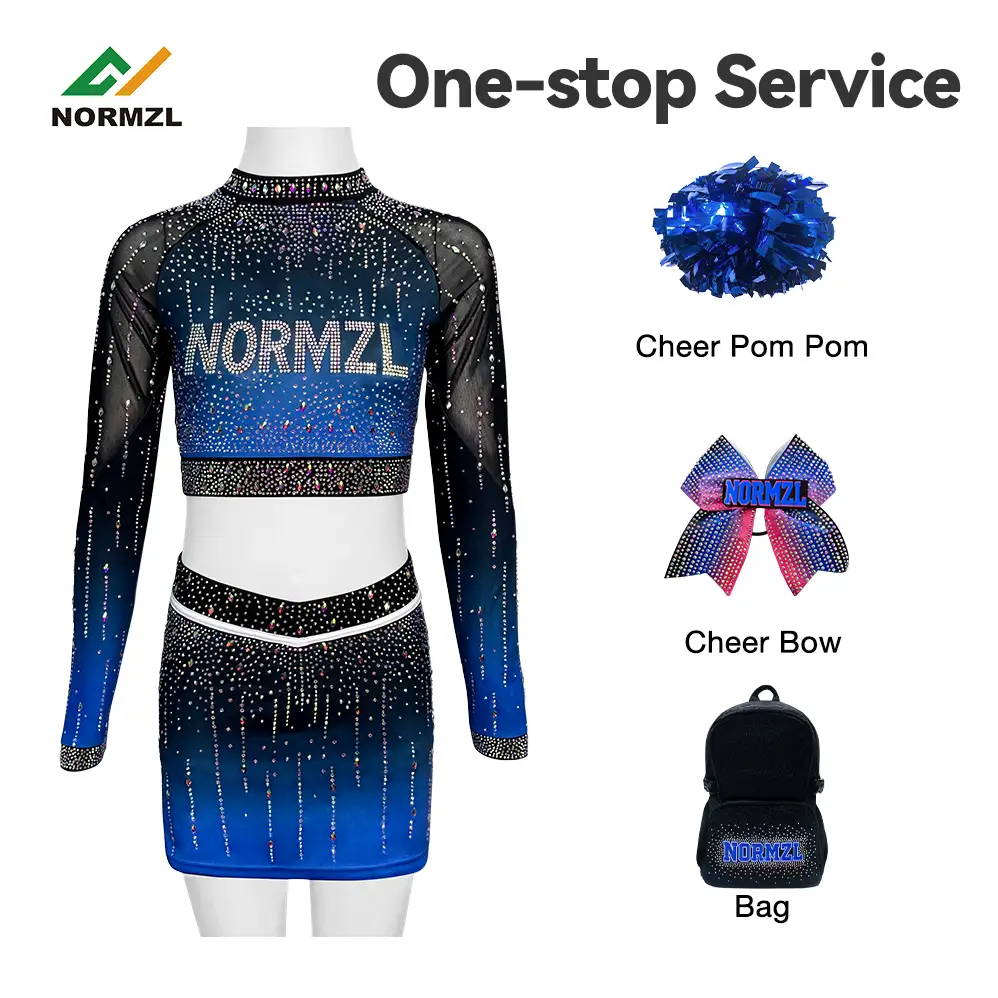
Q: Can teams customize their cheer uniforms?
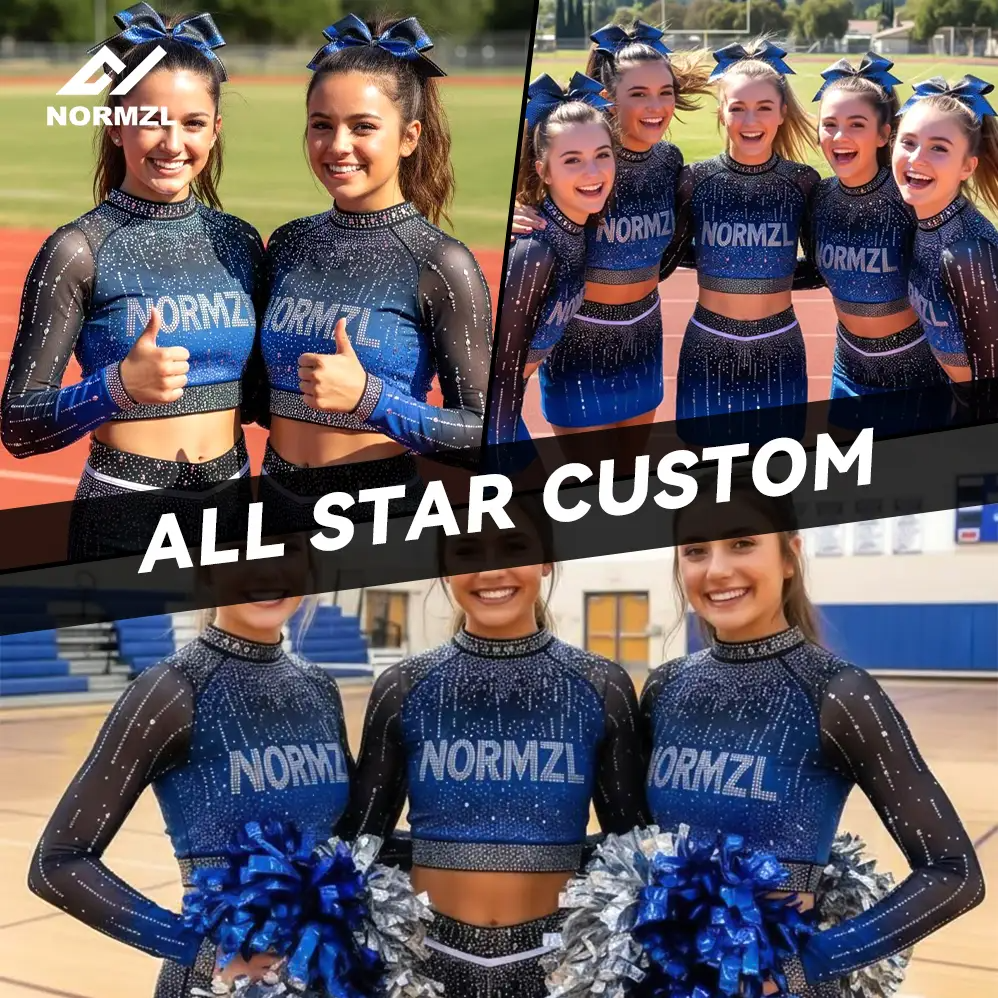
A: We offer full customization: team colors, Logos, player names, sleeve lengths, and fit adjustments. Many use 3D design tools to let squads visualize uniforms before ordering, ensuring a cohesive, unique look for every team.
Q: Why is there so much buzz about cheer uniform autonomy in 2026?
A: This year’s viral conversations center onathlete respect: pushing back against outdated objectification and giving cheerleaders control over their uniform choices, coverage, and comfort. It’s part of a larger movement to frame cheerleading as a competitive sport, not just a visual spectacle.