




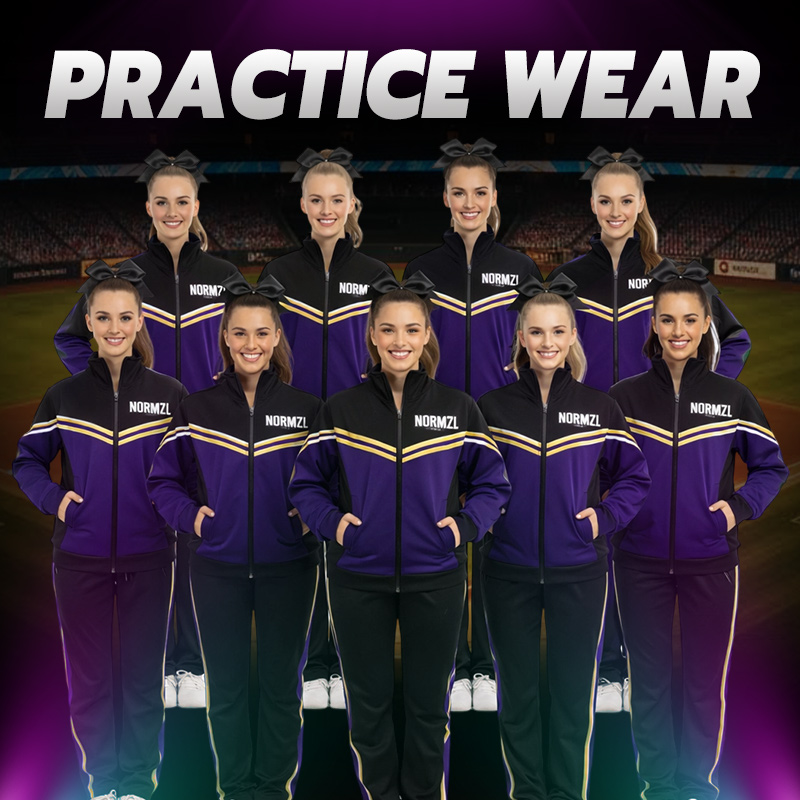
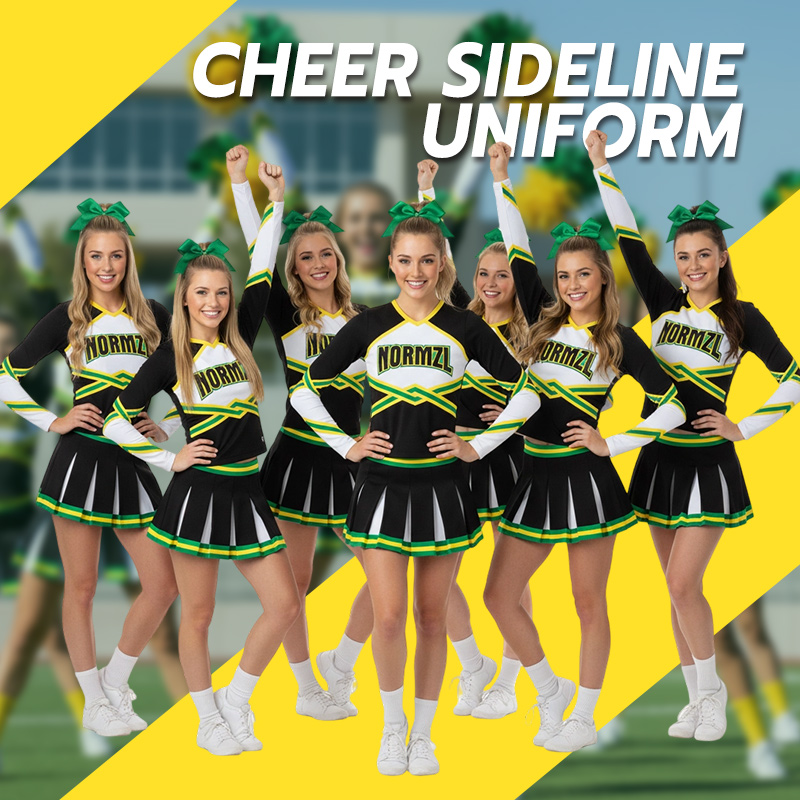

Cheerleading today is no longer just about standing on the sidelines with pom-poms—it has grown into a high-energy, skill-driven sport that combines athleticism, performance, and teamwork. From school spirit squads to elite competition teams and professional performers, the industry now offers multiple paths for athletes of all levels.
이 가이드에서는, we’ll explore the Types of Cheerleading, answer key questions like what is all star cheerleading, and break down how cheer is similar to regular sports. Whether you’re a beginner, coach, or team buyer looking for uniforms, this article will help you clearly understand each category and choose the right direction.
What Are the Different Types of Cheerleading?
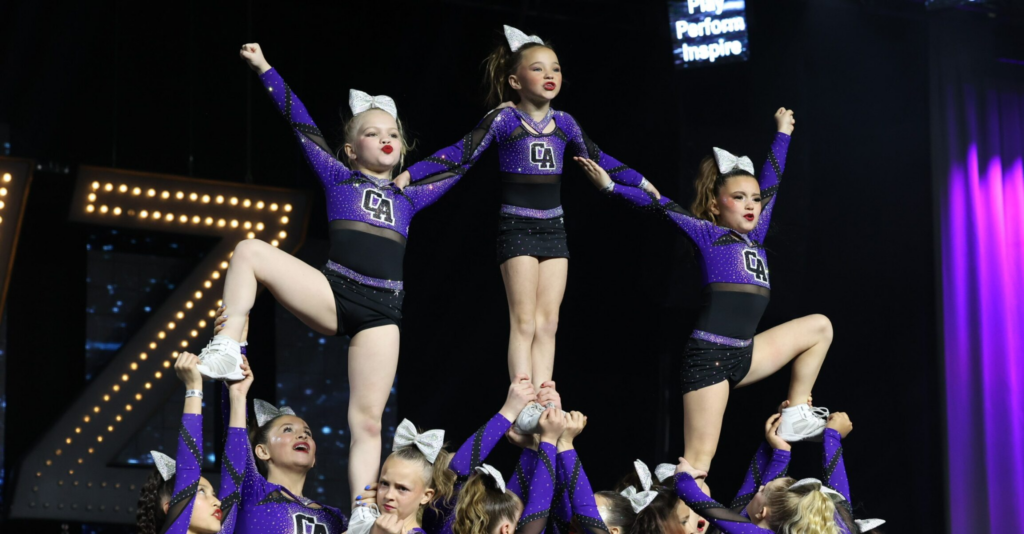
Cheerleading can be broadly divided into three main categories, each with its own purpose, structure, and training style.
| Type of Cheerleading | Overview | Key Features |
| School Cheerleading | Supports school teams and builds spirit at games. | – Sideline cheering & halftime routines- Basic stunts and chants- May join competitions |
| All-Star Cheerleading | Competition-focused and not school-based. | – Advanced tumbling & stunts- Trains year-round- Competes at all levels |
| Professional Cheerleading | Performance-based for major teams and events. | – Strong dance focus- Public appearances- Highly selective |
1. School Cheerleading (Sideline Cheer)
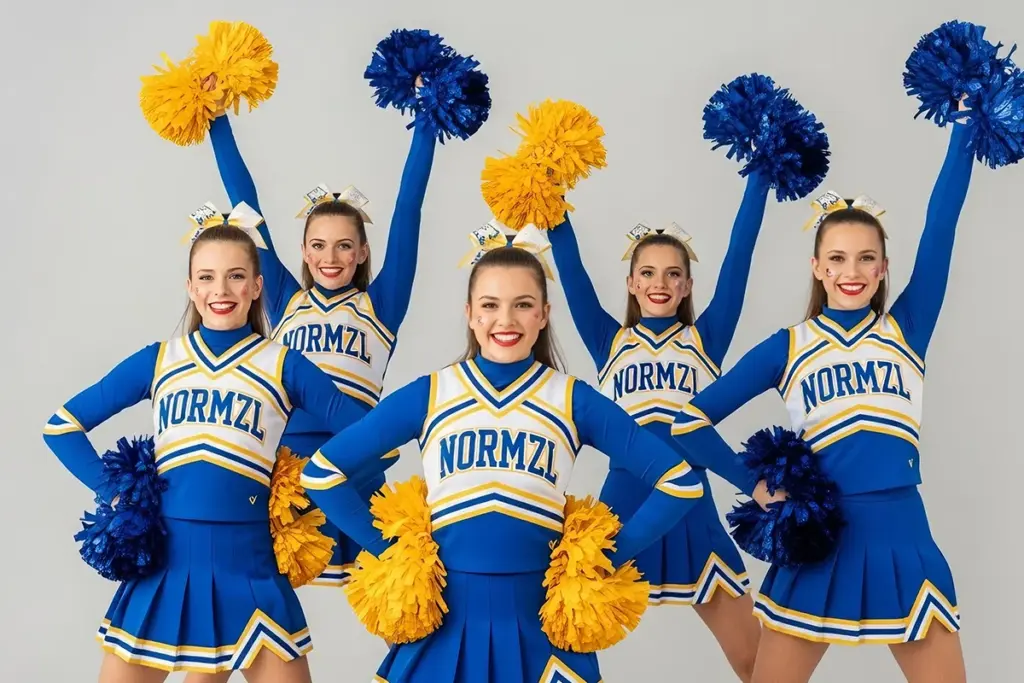
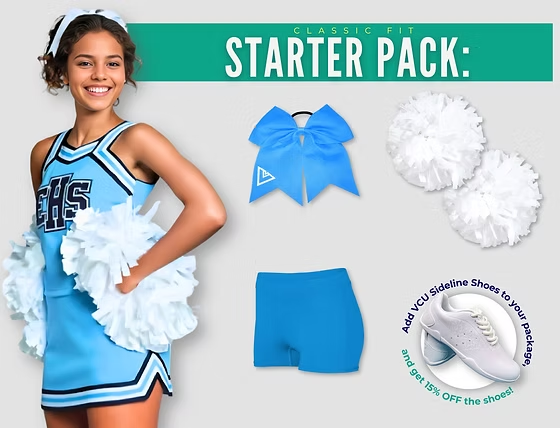
School cheerleading is the most traditional entry point into the sport. It is deeply connected to school culture, student life, and team spirit, making it a popular choice for beginners.
Key Responsibilities and Activities
- Game-Day Performances
Cheerleaders perform during football, basketball, and other school sports events
Their role is to engage the crowd, lead chants, and maintain high energy throughout the game
They often coordinate with bands, mascots, and event organizers
- Skill Development and Routines
Includes foundational stunts, jumps, and basic tumbling elements
Halftime routines allow teams to showcase choreographed performances
Skills are typically less complex than all-star cheer but still require discipline
- Team Representation
Cheerleaders act as ambassadors for their school
Participate in pep rallies, community events, and school promotions
Help build school identity and unity
Who Should Choose School Cheer?
- Athletes who want a balanced experience of performance and school involvement
- Beginners looking to build foundational cheerleading skills
- Students interested in team spirit and community engagement
2. All-Star Cheerleading (Competitive Cheer)
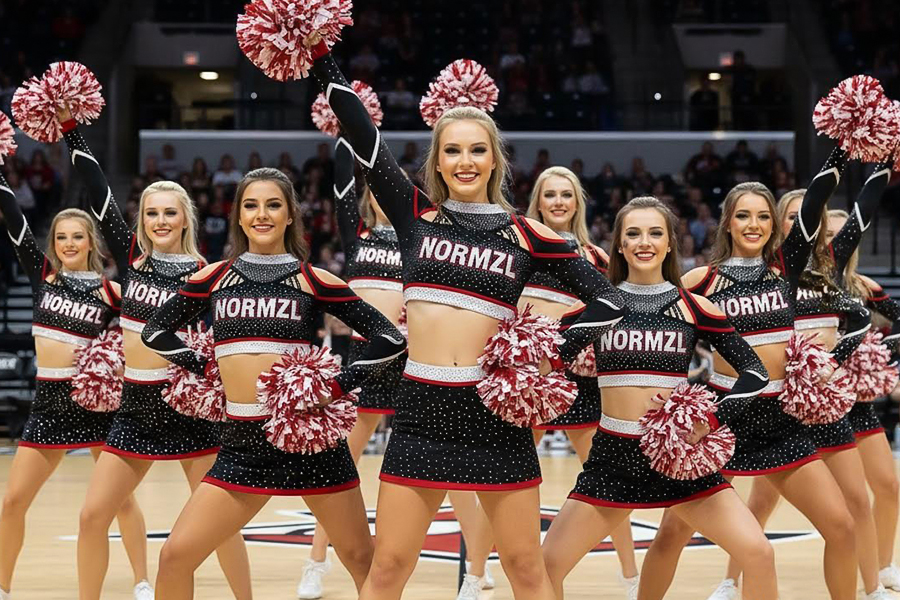
What Is All Star Cheerleading?
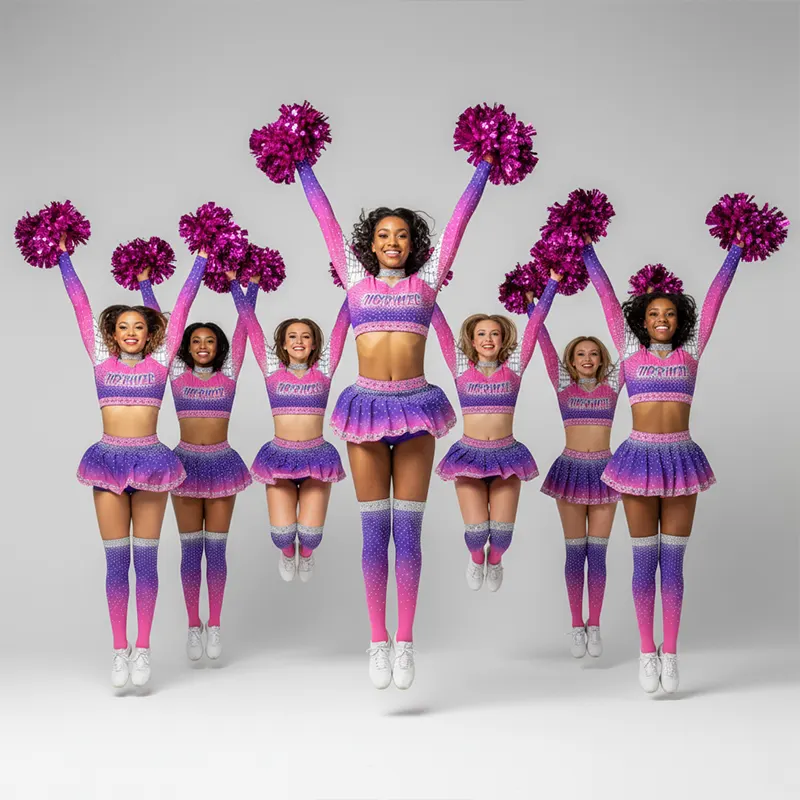
If you’re wondering what is all star cheerleading, it is a competition-focused form of cheerleading where athletes train at private gyms and perform highly technical routines judged by strict scoring systems.
Core Features of All-Star Cheer
- High-Level Athletic Training
Athletes train multiple times per week, focusing on strength, flexibility, and endurance
Skills include advanced tumbling passes, basket tosses, and multi-level pyramids
Conditioning and repetition are essential for performance consistency
- Structured Competitions
Teams compete at regional, national, and international events
Routines are judged based on difficulty, execution, synchronization, and creativity
Rankings and titles create a highly competitive environment
- Team Composition and Divisions
Teams are divided by age and skill levels (prep vs elite)
Each athlete has a specific role, contributing to the overall routine
Uniformity and precision are critical for scoring success
How Is Cheer Similar to Regular Sports?
Many people still ask, how is cheer similar to regular sports—but the reality is, cheerleading shares many core elements with traditional athletics:
- Intensive Training Schedules
Like football or basketball teams, cheerleaders train consistently with structured practice plans
Strength training, conditioning, and skill drills are part of regular routines
- Competitive Mindset
Teams prepare for competitions, aim for high scores, and strive to win championships
Performance pressure and mental focus are key aspects of success
- Defined Team Roles
Just like positions in traditional sports, each cheerleader has a specialized role
Success depends on coordination, timing, and trust among teammates
- Physical and Mental Demands
Requires agility, strength, endurance, and injury prevention awareness
Athletes must also maintain focus under high-pressure conditions
All-Star Cheer vs Competitive Cheer: What’s the Difference?
This is a common point of confusion, so let’s clarify it clearly.
- All-Star Cheerleading
A specific type of cheerleading
Always competition-focused and gym-based
Includes structured teams and divisions
- Competitive Cheerleading
A broader term that includes any cheer team that competes
Can include both all-star teams and school teams
👉 In simple terms:
All-star cheer is a category, while competitive cheer is an activity.
3. Professional Cheerleading
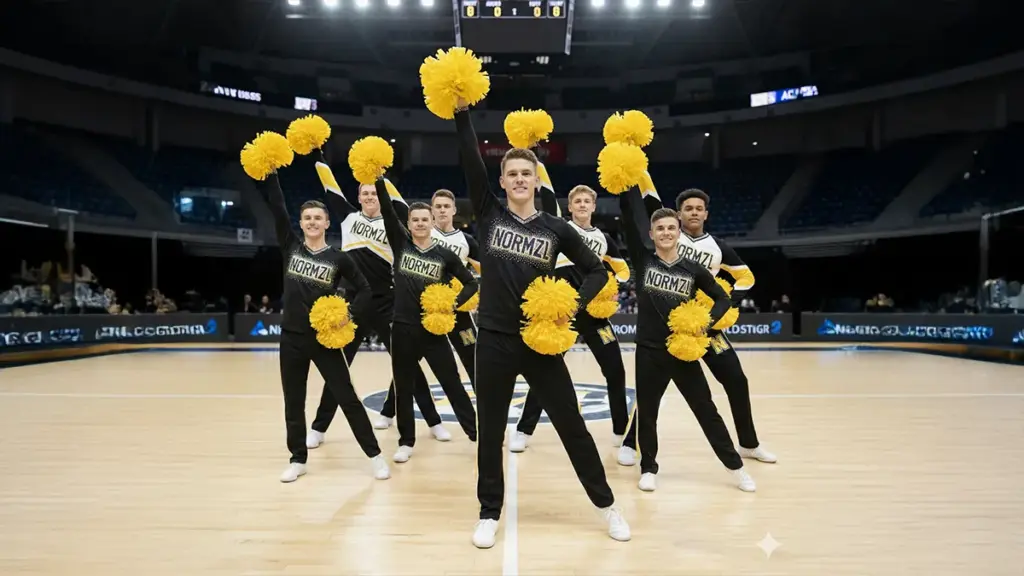
What Is Professional Cheerleading?
Professional cheerleading represents the entertainment and performance side of the sport, often associated with major sports leagues and media appearances.
Key Characteristics of Professional Cheer
- Performance Excellence
Focuses heavily on dance technique, synchronization, and stage presence
Routines are designed to entertain large audiences during live events
- Strict Selection Process
Candidates must pass auditions that test dance skills, fitness, and appearance
Only highly trained and experienced performers are selected
- Brand Representation
Cheerleaders attend promotional events, charity programs, and media appearances
They act as public representatives of their teams or organizations
Types of Cheerleading Positions
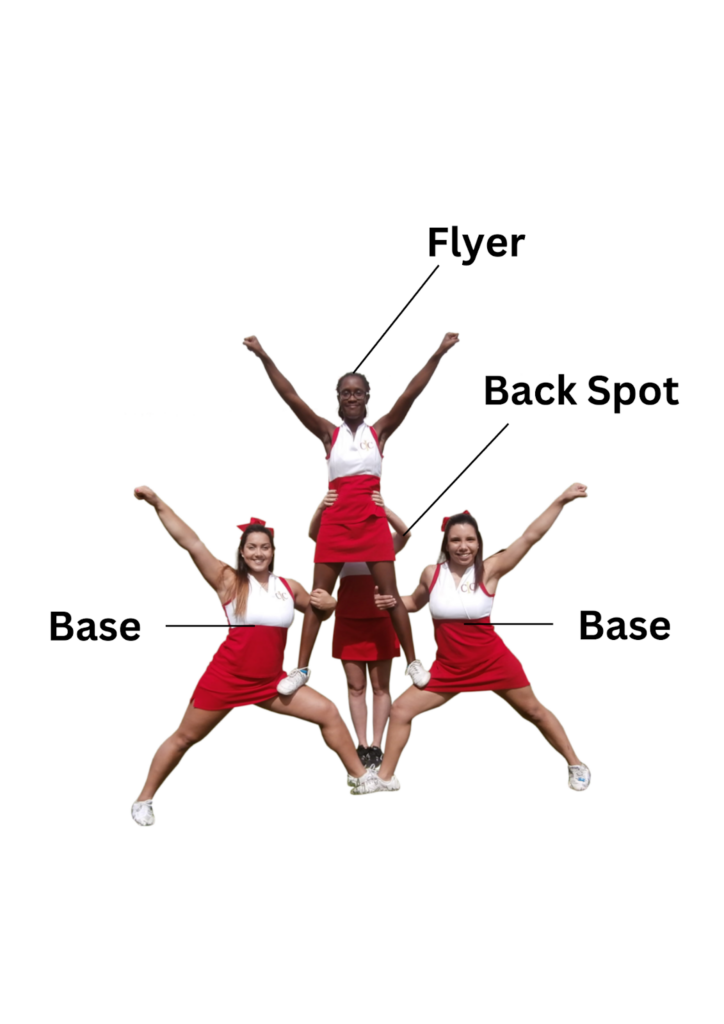
Each cheerleading team relies on different roles working together seamlessly. Understanding these positions helps explain how routines are executed safely and effectively.
1. Flyers
- Flyers are lifted into the air during stunts and are often the focal point of performances
- They need strong balance, flexibility, and body control to maintain stability
- Their confidence and precision directly impact the visual quality of routines
2. Bases
- Bases are responsible for lifting and supporting the flyers during stunts
- They require strength, coordination, and excellent timing
- Bases must work closely with each other to ensure safe and stable lifts
3. Back Spots
- Back spots stand behind the stunt group and provide additional support
- They help guide the flyer into position and ensure safe dismounts
- This role is critical for preventing injuries and maintaining control
4. Tumblers
- Tumblers perform gymnastic elements such as flips, handsprings, and passes
- They add excitement and technical difficulty to routines
- Strong tumbling skills can significantly improve a team’s competition score
🚀 Elevate Your Team with Custom Cheerleading Uniforms
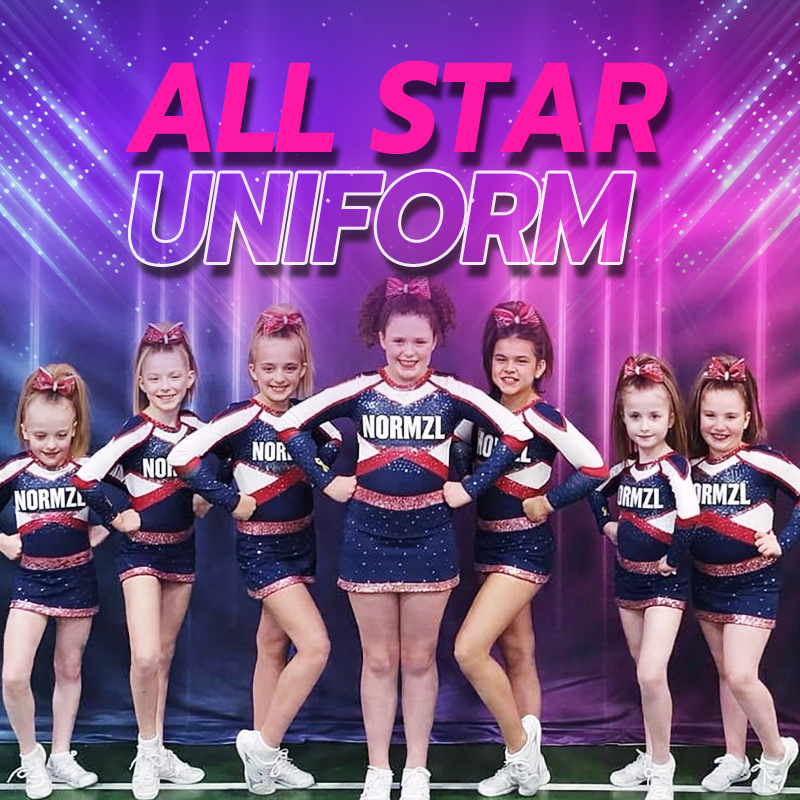
No matter which of the Types of Cheerleading you choose, having the right uniform plays a huge role in performance, confidence, and team identity.
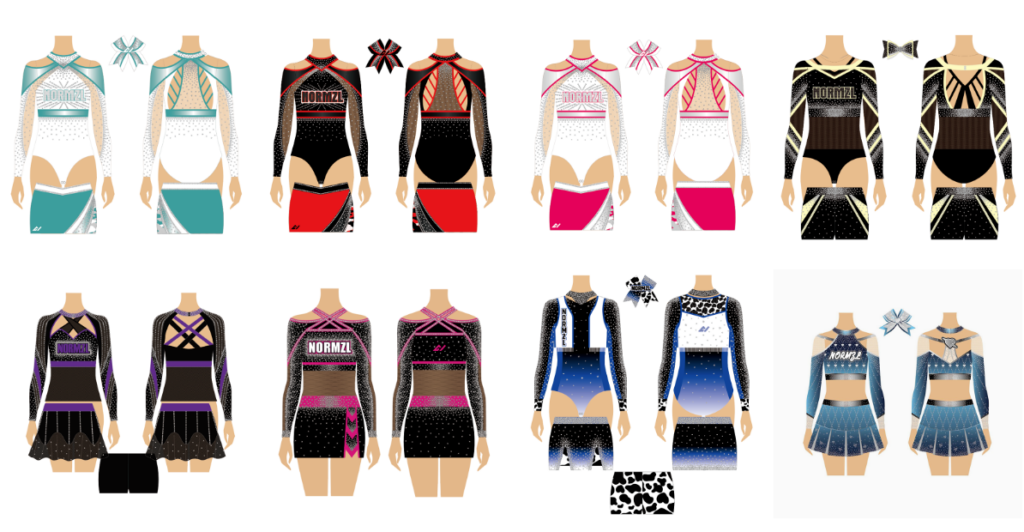
At 노름즐, we specialize in high-quality custom cheerleading uniforms designed for school teams, all-star gyms, and professional squads.
Why Choose Normzl?
- Fully Custom Designs
Create unique uniforms that reflect your team’s identity and branding
- Performance-Ready Materials
Breathable, flexible fabrics designed for high-intensity routines
- Fast & Reliable Production
Ideal for teams preparing for competitions or new seasons
- Global Team Experience
Trusted by teams worldwide for consistent quality and service
👉 Explore your options here:https://www.normzl.com/
FAQ: Types of Cheerleading
What Is a Professional Cheerleader?
A professional cheerleader is a trained performer who works with sports teams or entertainment organizations. Their role includes dance performances, public appearances, and brand representation, requiring both athletic ability and strong stage presence.
What’s the Difference Between Prep and Elite?
- Prep Teams
Designed for beginners and intermediate athletes
Lower skill requirements and reduced time commitment
Focus on building confidence and foundational skills
- Elite Teams
Advanced-level teams with high skill expectations
Require strong tumbling, stunting, and competition experience
Compete at top-tier events with complex routines
Final Thoughts
Cheerleading is a unique blend of sport, performance, and teamwork, offering multiple paths depending on your goals and skill level. From school-based spirit squads to elite competition teams and professional performers, the different Types of Cheerleading showcase just how diverse and dynamic this sport has become.
Whether you’re exploring what is all star cheerleading or deciding which path suits your team best, one thing is clear—cheerleading demands dedication, athleticism, and passion. With the right training, team structure, and professional gear, any team can stand out and succeed.